Wooden Pool Fencing Done Right: Essential Tips from Experienced Pool Builders
Understanding Pool Fence Safety: More Than Just a Requirement

As someone who's designed and built custom pools for over two decades, I can't tell you how many times I've heard, "Do we really need a fence? It kind of ruins the view." Trust me, I understand the aesthetic concern. But as both a pool builder and a father of three, I've learned that pool safety isn't just about meeting code requirements—it's about peace of mind.
The Non-Negotiables
Let's talk about what's absolutely required for your wooden pool fence. The U.S. Consumer Product Safety Commission has established guidelines that most local authorities have adopted, and for good reason. Here are the key requirements you need to know:
- Height Requirements: Your fence must be at least 4 feet high, though I typically recommend 5 feet for extra security. Think of it this way: if your kindergartener can climb it, it's not tall enough.
- Gate Specifications: This is crucial—your gate must be self-closing and self-latching. I always tell my clients to imagine carrying groceries while wrangling excited kids. That self-closing feature suddenly becomes priceless.
- Spacing Rules: Vertical slats should have gaps no wider than 4 inches Bottom clearance should be no more than 2 inches from the ground No footholds or handholds that could help little climbers
Insurance Considerations
Here's something many homeowners don't realize until later: a properly installed pool fence can actually save you money. Many insurance companies offer premium discounts for pools with compliant fencing. I've seen clients save anywhere from 10-20% on their homeowner's insurance—not bad for something you need anyway!
Beyond the Basics
While meeting code requirements is essential, I always encourage my clients to think beyond the minimum. Consider these enhanced safety features:
- Alarm Systems: Simple door alarms that alert you when the gate opens
- Additional Latches: Place them high enough that young children can't reach
- Clear Sight Lines: Position your fence to maintain visibility of the pool area from your home
A Word of Wisdom
One thing I've learned over the years: the best safety features are the ones that work with your lifestyle, not against it. A beautiful wooden pool fence can actually enhance your backyard's appearance while providing crucial protection. It's like having a reliable bodyguard who also happens to be well-dressed.
Remember, these requirements aren't just bureaucratic red tape—they're proven safety measures that have saved countless lives. While we don't install fencing ourselves, I strongly recommend working with a licensed fence contractor who understands both local codes and pool-specific requirements.
Your wooden pool fence is like the seatbelt of your backyard oasis: you hope you'll never need it, but you'll be incredibly grateful it's there if you do.
Why Wooden Pool Fencing Might Be Your Best Investment
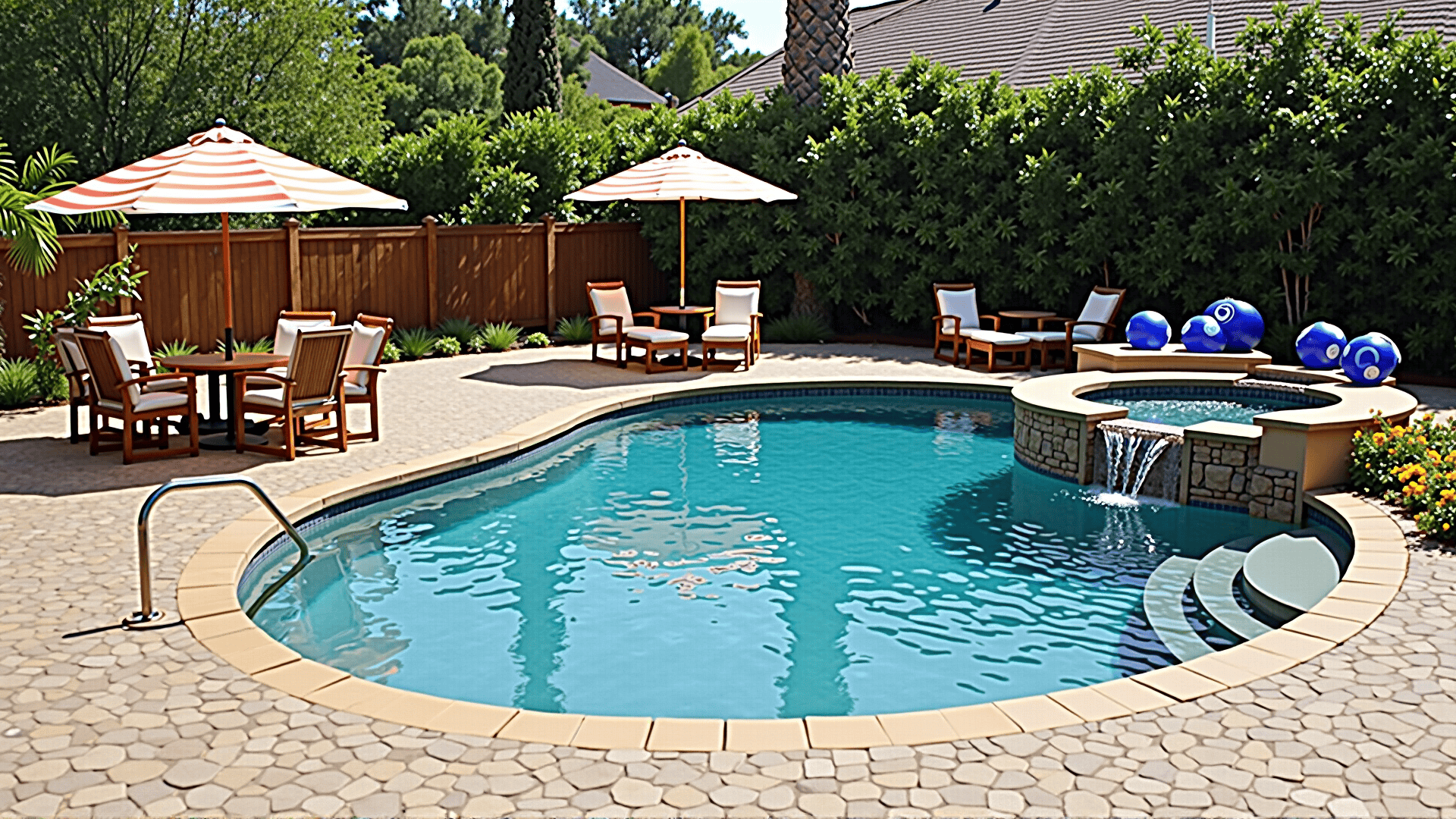
After designing hundreds of custom pools, I've noticed something interesting: the homes that truly stand out are often the ones that harmoniously blend their pool area with the natural landscape. This is where wooden pool fencing really shines—quite literally, in some cases!
Natural Aesthetic Appeal
There's something inherently welcoming about wood that other materials just can't match. As an architect once told me, "It's like the difference between a handshake and a fist bump—both get the job done, but one feels more personal." Wood brings warmth and character to your pool area, aging gracefully like a fine wine rather than just getting old.
Versatility in Design
Here's what makes wooden fencing particularly special for custom pools:
- Customization Options: Unlike aluminum or vinyl, wood can be cut, shaped, and styled to match virtually any architectural design. I recently worked with a client who wanted their pool area to mirror their craftsman-style home—try doing that with chain link!
- Color Flexibility: Wood accepts stains and finishes beautifully, allowing you to:
- Match your home's exterior
- Create contrast with your landscaping
- Update the look years later if your taste changes
Privacy That Feels Natural
One of my favorite aspects of wooden fencing is how it creates privacy without feeling fortress-like. I often tell my clients, "Think of it as adding an outdoor room to your home rather than building a barrier." A well-designed wooden fence can:
- Block unwanted views while maintaining an open feel
- Create intimate spaces for family gatherings
- Reduce noise from neighboring properties
Cost-Effectiveness

Let's talk numbers honestly. While the initial cost of wooden fencing might be higher than some basic options, it offers excellent value when you consider:
- Lower maintenance costs compared to some high-end materials
- Easier repairs (you can often replace individual boards rather than entire sections)
- Potential increase in property value
Environmental Considerations
For my environmentally conscious clients, wooden fencing offers several green benefits:
- Renewable resource when sourced responsibly
- Biodegradable at end of life
- Lower carbon footprint in manufacturing compared to vinyl or aluminum
A Personal Note
I remember a client who was initially skeptical about wooden fencing. "Won't it look too rustic for my modern home?" she asked. We ended up designing a horizontal-board fence with clean lines that perfectly complemented her contemporary architecture. Two years later, she told me the fence gets more compliments than her pool!
Remember, while we don't install fencing ourselves, choosing the right material is crucial for the overall success of your pool project. A wooden fence isn't just a boundary— t's an integral part of your outdoor living space that can enhance both the functionality and beauty of your custom pool area.
Choosing the Perfect Wood for Your Pool Fence: A Pool Builder’s Guide
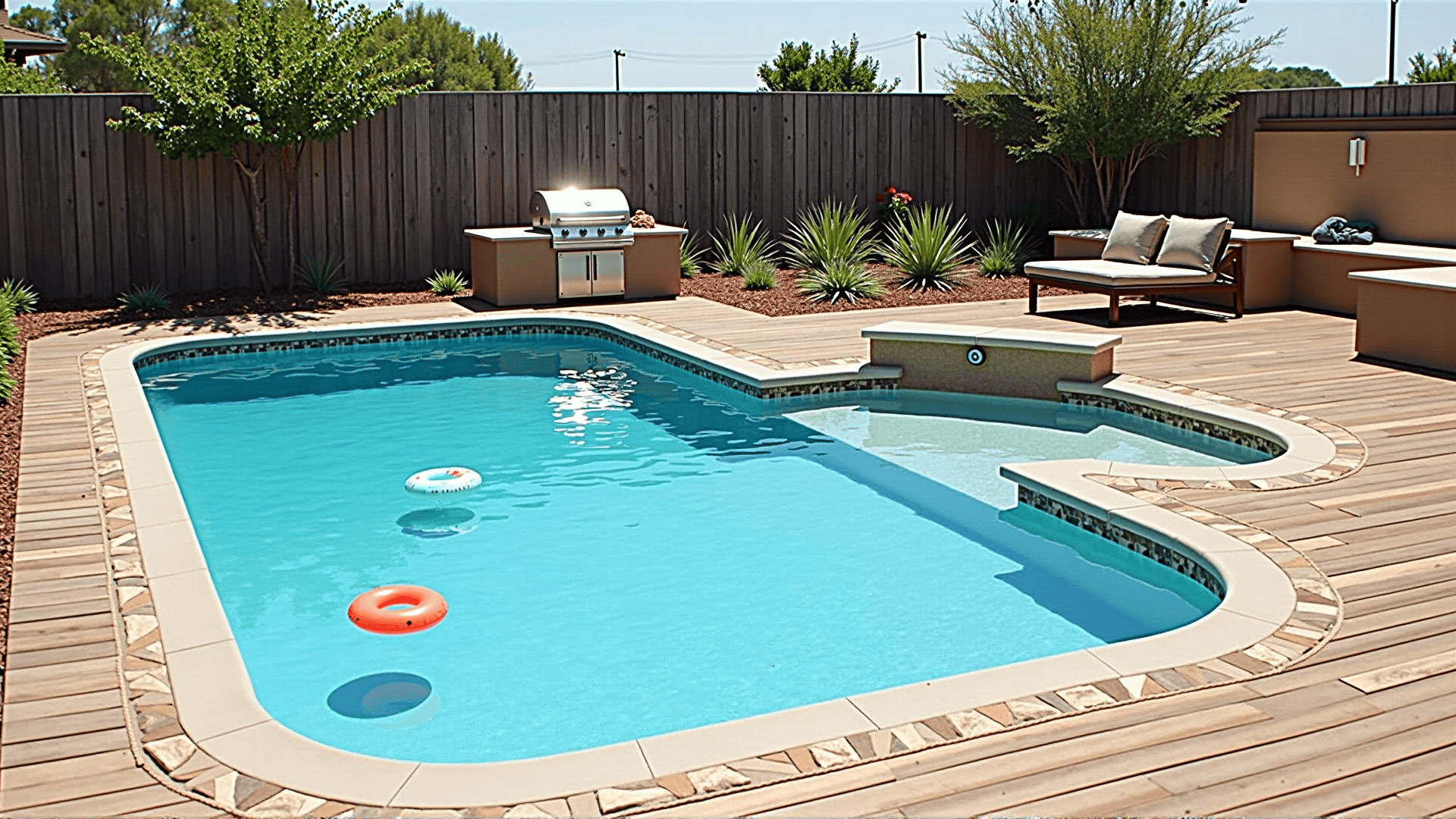
With years of experience in the pool industry, I've learned that choosing the right wood for your pool fence is a bit like selecting a wine—sure, they might all look similar at first glance, but the differences matter. Let me share what I've learned from hundreds of pool projects about the best wood options for pool fencing.
Pressure-Treated Pine: The Practical Choice
Think of pressure-treated pine as your reliable family sedan. It's not the flashiest option, but it gets the job done well and won't break the bank. Here's what you should know:
- Lifespan: 15-20 years with proper maintenance
- Cost: Most budget-friendly option
- Durability: Good resistance to decay and insects
- Best Use: Great for families who want value without compromising quality
One caveat I always share with my clients: while pressure-treated pine is excellent for posts (especially in-ground), it can sometimes warp over time when used for fence boards. This brings us to our next contender...
Cedar: The Gold Standard
Cedar is like the luxury SUV of pool fencing—it costs more upfront, but the benefits are worth it. Here's why I often recommend cedar to my clients:
1. Lifespan: 30+ years when properly maintained
2. Natural Resistance: Built-in protection against:
- Insects
- Rot
- Weather damage
3. Stability: Less likely to warp or shrink
4. Appearance: Beautiful natural color that ages gracefully
Discover Luxury Los Angeles Pool Contractors: If you're torn between options, consider using pressure-treated pine for the posts and cedar for the visible components. It's a smart way to balance cost and aesthetics—something I've seen work beautifully in countless projects.
The Hybrid Approach
Here's a secret from years of observation: the most successful pool fencing often combines different wood types strategically. My recommended configuration:
- Posts: Pressure-treated pine (in-ground durability)
- Rails: Pressure-treated pine (structural strength)
- Boards/Panels: Cedar (beauty and stability)
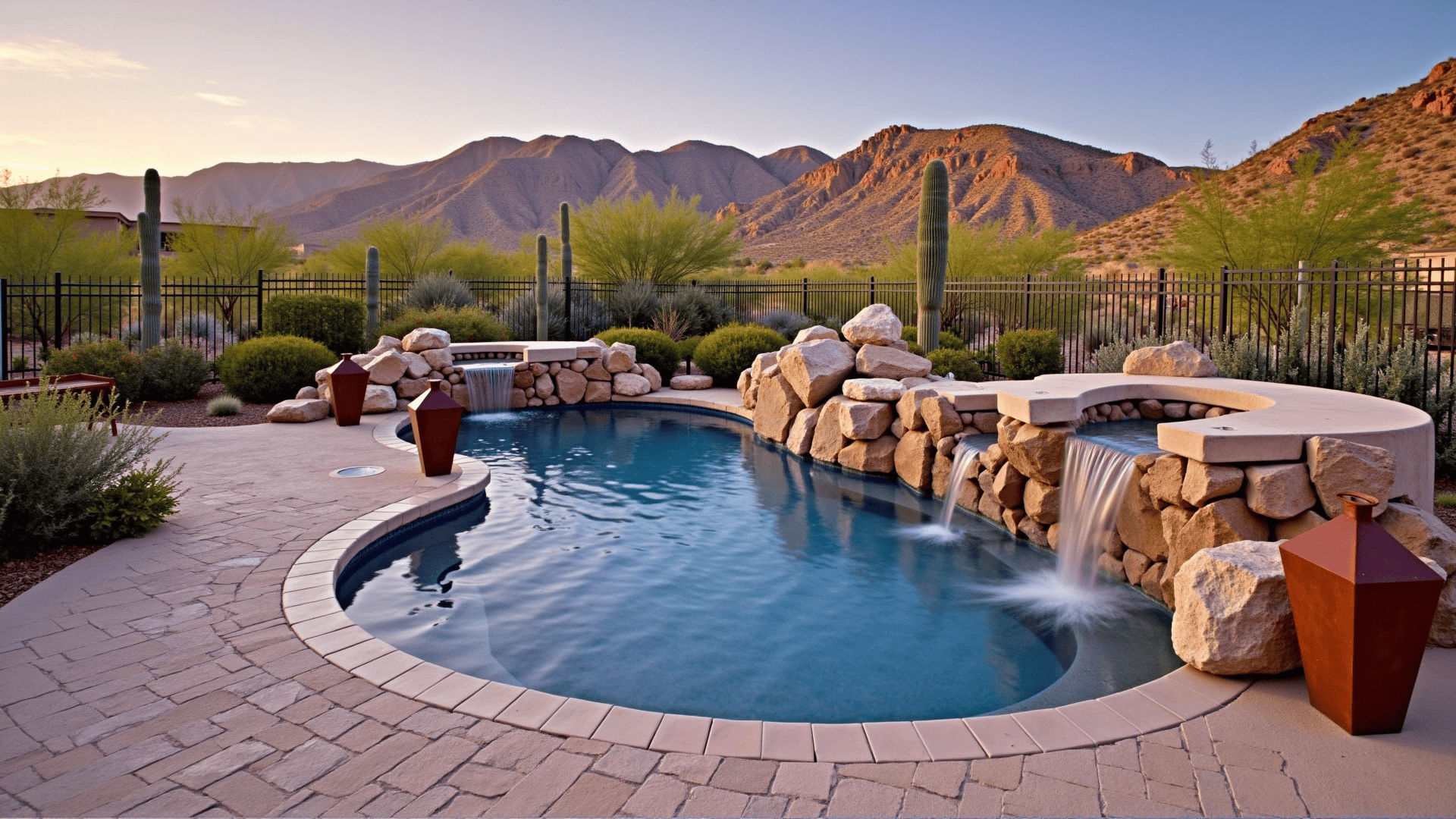
This approach gives you the best of both worlds—durability where it matters most and aesthetic appeal where it's most visible.
A Word on Maintenance
No matter which wood you choose, remember this analogy I share with all my clients: treating your wooden fence is like applying sunscreen—it's better to protect consistently than to repair damage later. Each wood type will require different maintenance schedules, but all will benefit from regular care.
While we specialize in creating beautiful custom pools rather than fence installation, I've seen enough pool projects to know that choosing the right wood type is crucial for long-term satisfaction. Consider your local climate, budget, and maintenance commitment when making your decision. Your fence will be the frame for your pool masterpiece—make sure it's one that will stand the test of time.
Maintaining Your Wooden Pool Fence: A Guide to Long-Term Protection
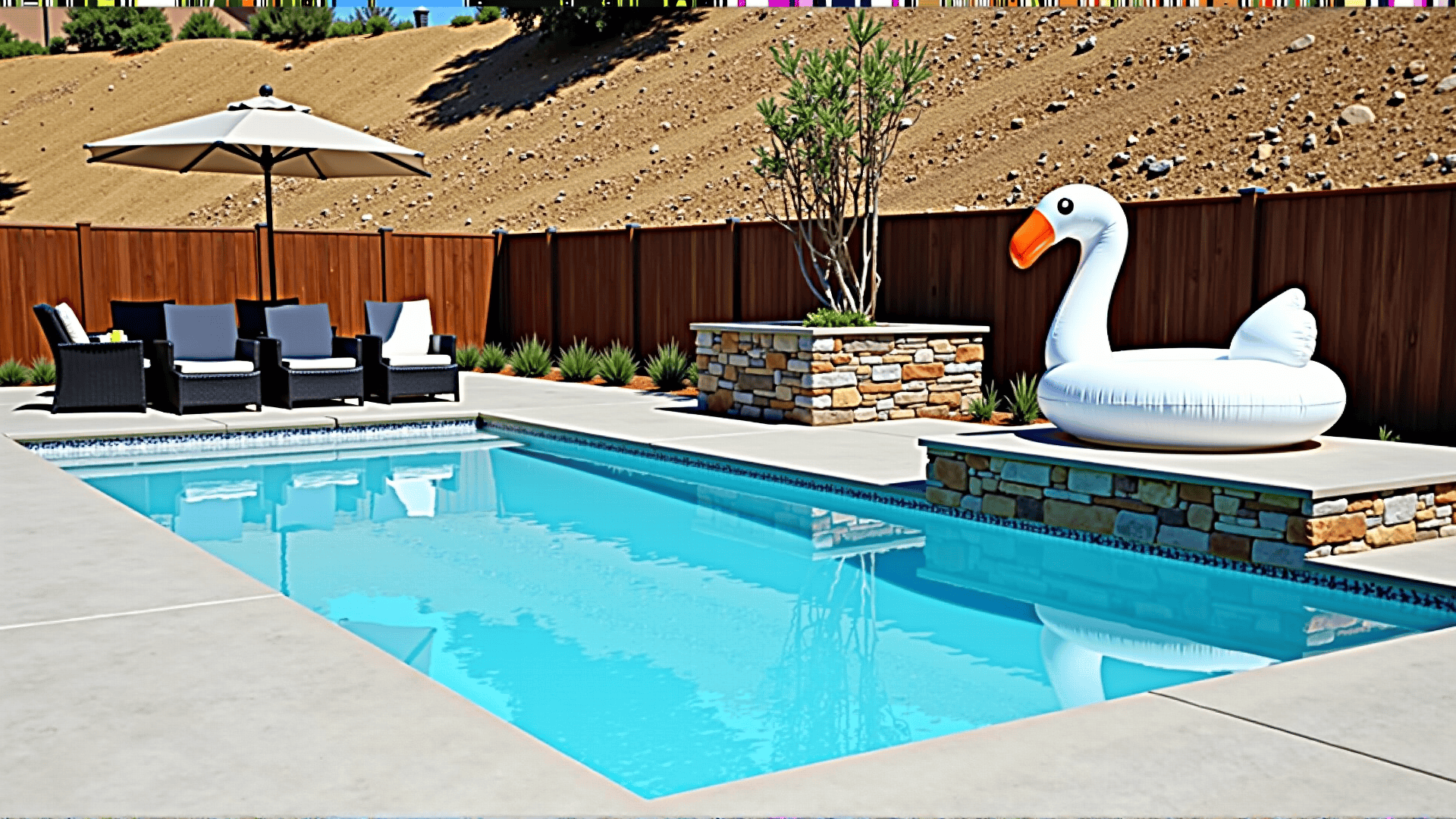
You know what I always tell my clients? A wooden pool fence is like a fine hardwood floor—with proper care, it gets better with age. But neglect it, and well... let's just say I've seen some preventable disasters in my years of building custom pools.
The Essential Inspection Routine
Think of your fence inspection like your annual health checkup—regular checks prevent major issues. Here's my tried-and-true inspection checklist:
1. Monthly Quick Checks:
- Look for loose boards or hardware
- Check gate alignment and self-closing mechanism
- Inspect for water damage or discoloration
- Watch for any signs of pest activity
2. Seasonal Deep Inspection:
- Test all posts for stability
- Examine wood for splits or cracks
- Check ground contact points for rot
- Assess sealant or stain condition
Cleaning: The Foundation of Protection
Here's a secret I've learned over decades in the pool industry: chlorine splash is your wooden fence's silent enemy. Your cleaning routine should be thorough but gentle:
1. Regular Cleaning (Every 2-3 months):
- Use a mild soap solution
- Soft brush for scrubbing
- Thorough rinsing
- Allow complete drying
2. Deep Cleaning (Annually):
- Remove any mildew or algae
- Address stains promptly
- Clean between boards
- Pay extra attention to splash zones
Sealing and Staining: Your Fence’s Sunscreen
I often tell homeowners that sealing a wooden fence is like applying sunscreen—you want to do it before you see damage. Here's my professional advice:
1. Initial Protection:
- Apply sealer within 30 days of installation
- Choose a UV-resistant product
- Consider water-repellent features
2. Maintenance Schedule:
- Reapply sealer every 2-3 years
- Monitor high-exposure areas
- Don't skip the bottom sections
Chemical Protection Strategy
Having built pools for over two decades, I've developed a solid strategy for protecting wood from pool chemicals:
- Create a splash zone barrier
- Use chemical-resistant sealers
- Rinse fence areas near the pool after heavy use
- Install proper drainage to prevent chemical pooling
Remember, while we focus on building your dream pool, partnering with a qualified fence contractor for installation and maintenance is crucial. Think of it this way: your pool and fence are like a championship team—they need to work together perfectly for the best results.
A well-maintained wooden pool fence doesn't just last longer; it keeps looking great while protecting your investment. And isn't that what we all want—a beautiful, safe pool area that stands the test of time?
Creating Your Perfect Pool Paradise: Design Options for Wooden Fencing

After designing hundreds of custom pools, I've learned that choosing the right fence design is like selecting the perfect frame for a masterpiece painting. Your pool is the art, and the fence? Well, it can either enhance or detract from your backyard's overall aesthetic.
Privacy Fence Designs
Privacy fences are the most requested style I see, and for good reason. Let me share a quick story: Last summer, I worked with a client who initially wanted aluminum fencing until their neighbor started hosting daily pool parties. Suddenly, privacy became their top priority!
Popular Privacy Options:
- Traditional vertical board
- Horizontal modern slat
- Board-on-board (my personal favorite for upscale homes)
- Shadowbox style for a balanced look
Decorative Elements
Think of decorative elements as jewelry for your fence. They should complement, not overwhelm. Here are some client-favorite additions:
Top Treatments:
- Classic lattice topping
- Contemporary flat top
- Decorative post caps
- Scalloped or arched sections
Height Variations
Here's a pro tip I always share: Consider varying your fence height strategically. For example:
- 6' height for privacy sections
- 4' for areas where you want to maintain views
- Graduated heights to create visual interest
Gate Design Integration
The gate is like your pool area's front door—it should make a statement while being functional. Some winning combinations I've seen:
- Arbored entrances
- Wide double gates for equipment access
- Custom latching systems
- Coordinated hardware finishes
Landscape Integration
One of my favorite design approaches is what I call the "natural blend." It's about making your fence work with your landscape, not against it:
- Create planting pockets
- Add climbing plant supports
- Install lighting features
- Include built-in planters
A Personal Note on Design Selection
Here's something I've noticed over two decades in the business: the most successful pool fence designs are those that consider both current and future needs. That modern horizontal slat fence might look amazing now, but will it still suit your style in five years?

Remember, while we don't install fencing ourselves, I always encourage our clients to think about how their fence design will complement their pool's style. It's like choosing the right tie for a suit—it needs to enhance the overall look while serving its purpose.
The key is finding that sweet spot between form and function, where safety meets style. After all, your pool fence isn't just a barrier—it's an integral part of your outdoor living space that should bring you joy every time you step into your backyard oasis.
Wood vs. Alternative Materials: Making the Smart Choice for Your Pool Fence
Let me share something I've learned after decades of building custom pools: choosing between fencing materials is like picking a car—there's no universally "best" choice, just the right choice for your specific needs. Let's break down how wood stacks up against its main competitors.
The Cost Comparison
Here's what surprises many of my clients: wood isn't always the cheapest option, but it often provides the best value-to-cost ratio.
Average Costs Per Linear Foot (based on 2024 market rates):
- Wood (Pressure-treated pine): $25-35
- Wood (Cedar): $35-45
- Vinyl: $30-40
- Aluminum: $35-50
Durability Face-Off
Let's talk longevity. I often use this analogy: think of your fence materials like kitchen countertops—each has its strengths and vulnerabilities.
Wood:
- Lifespan: 15-30 years
- Naturally adapts to weather changes
- Can be repaired section by section
- Requires regular maintenance
Alternatives:
- Vinyl: 20-30 years, no rot but can become brittle
- Aluminum: 30+ years, resistant to rust but can dent
- Glass: Lifetime with proper care, but extremely costly
Maintenance Reality Check
Here's what I tell my clients about maintenance requirements:
Wood:
- Regular cleaning
- Periodic sealing/staining
- Occasional board replacement
- Annual inspections
Other Materials:
- Vinyl: Simple cleaning, occasional power washing
- Aluminum: Minimal maintenance, occasional washing
- Glass: Frequent cleaning to maintain clarity
Environmental Impact
As someone who's watched landscaping trends evolve over 20 years, I've noticed increasing interest in environmental impact. Wood often wins here:
- Renewable resource
- Biodegradable
- Lower manufacturing carbon footprint
- Local sourcing options
The Bottom Line
After building countless custom pools, here's my honest take: wood remains popular because it offers the best balance of aesthetics, functionality, and value. While alternatives might win in specific categories (like maintenance), wood excels at:
- Natural beauty that improves with age
- Flexibility in design and modification
- Easy repairs when needed
- Better sound absorption
Remember, while we focus on creating your perfect pool, partnering with a qualified fence contractor is crucial for installation. Think of it this way: your pool and fence should complement each other like a fine wine pair with a great meal—each enhancing the other's best qualities.
Key Considerations When Installing Your Pool’s Wooden Fence

As a pool builder who's seen countless fence installations around my custom pools, I often tell clients that proper fence installation is like building a house—it's all about the foundation and attention to detail. While we don't install fences ourselves, let me share what I've learned about ensuring a professional installation.
Post Installation: The Foundation of Success
Think of fence posts as the roots of a tree—they're what keeps everything stable and upright. Here's what to look for:
Post Depth Requirements:
- Minimum 2 feet deep in warm climates
- Add 6 inches for every foot of fence height
- Deeper for areas with freeze/thaw cycles
Ultimate Los Angeles Pool Builder Choice: In my experience, the most common fence failures come from inadequate post depth. Don't cut corners here!
Proper Spacing and Support
Remember this formula I share with clients: S.S.S (Spacing, Stability, Safety)
Critical Measurements:
- Post spacing: Maximum 8 feet apart
- Concrete footer diameter: 3x post width
- Ground clearance: 2 inches maximum
- Post-to-post level variance: Less than 1/4 inch
Ground Contact Protection
Here's a lesson I learned the hard way after seeing countless premature fence failures: ground contact is where wood meets its biggest enemy—moisture. Essential considerations:
- Use gravel for drainage under posts
- Install proper concrete footings
- Apply ground contact-rated preservatives
- Consider post protectors or sleeves
Gate Hardware and Safety Features
The gate is like the door to your house—it needs extra attention. Must-haves include:
- Heavy-duty hinges (at least 3 per gate)
- Self-closing mechanisms
- Child-proof latches
- Diagonal support cables for wide gates
Professional Installation Tips
When selecting a fence contractor, look for these qualifications:
- Licensed and insured
- Experience with pool code requirements
- References from pool-specific projects
- Written warranty on workmanship
The Importance of Timing
Here's something many homeowners don't consider: timing your fence installation with your pool construction. I always advise my clients to:
- Install fence posts before deck construction
- Coordinate with landscaping plans
- Consider access for pool equipment
- Plan for future maintenance needs
Remember, while DIY might be tempting, pool fencing isn't just about aesthetics—it's about safety. In my 20+ years of building pools, I've seen the difference professional installation makes in both longevity and security.
Your fence contractor should work in harmony with your pool builder to ensure all safety codes are met and your backyard vision comes to life exactly as planned.
Making Your Wooden Pool Fence Weather-Tough: A Builder’s Guide
After two decades of building custom pools, I've seen wooden fences face everything from scorching summers to hurricane-force winds. Let me tell you, a well-protected wooden fence is like a seasoned athlete—it gets better at handling whatever Mother Nature throws at it.
Sun Exposure Protection
Living in sunny climates, I've learned that UV rays are like your fence's personal arch-nemesis. Here's how to win that battle:
UV Defense Strategy:
- UV-resistant sealants (reapply every 2-3 years)
- Semi-transparent stains for better protection
- Consider natural shade elements in your design
- Monitor south-facing sections more frequently
Moisture Management
Here's a truth bomb from years of observation: It's not the rain that kills wooden fences—it's the water that stays. Think of moisture management like this:
Essential Protection Steps:
- Proper ground clearance (2-inch minimum)
- Angled top boards for water runoff
- Adequate drainage around posts
- Water-resistant sealing on end grain
Chemical Splash Protection
Pool chemicals and wood have a relationship status that's permanently set to "it's complicated." Here's what I've learned works best:
- Marine-grade sealants near splash zones
- Regular rinsing after heavy pool use
- Chemical-resistant coatings
- Strategic placement of splash guards
Climate-Specific Considerations
One thing I always tell my clients: think like a local. Your fence needs to be ready for your specific climate challenges:
Coastal Areas:
- Salt-resistant treatments
- Additional sealant layers
- More frequent maintenance checks
- Stainless steel hardware only
High-Humidity Regions:
- Mold-resistant treatments
- Enhanced ventilation designs
- Regular moisture monitoring
- Strategic drainage solutions
A Personal Note on Longevity
Want to know the secret I've learned about fence durability? It's all about proactive care. I remember a client who followed every maintenance recommendation to the letter their wooden fence still looks fantastic after 15 years, while their neighbor's untreated fence needed replacement in just five.
Think of your wooden pool fence like a classic car—regular maintenance keeps it running smoothly, and occasional TLC keeps it looking sharp. While we focus on creating your perfect pool, understanding these weather resistance factors will help you choose the right fence contractor and maintenance plan.
Remember, a well-protected wooden fence isn't just durable—it's an investment in your pool area's long-term beauty and functionality. The key is staying ahead of potential issues rather than chasing problems after they develop.
Understanding the Value of Your Wooden Pool Fence Investment

Having designed custom pools for over two decades, I often tell clients that choosing a pool fence is like picking a long-term investment strategy—you want the best returns, both in function and value. Let me break down the financial aspects of wooden pool fencing that I've observed over the years.
Initial Investment Breakdown
Let's talk real numbers (as of 2025):
Average Costs Per Linear Foot:
- Basic pressure-treated pine: $25-35
- Premium cedar: $35-45
- Installation: $10-15
- Hardware and materials: $5-8
Pro tip: Don't forget to factor in gates ($200-400 each) and any decorative elements you might want to add.
Long-Term Maintenance Costs
Think of maintenance costs like a retirement savings plan—small, regular investments prevent big expenses later:
Annual Maintenance Budget:
- Cleaning supplies: $50-100
- Sealant/stain (every 2-3 years): $200-300
- Minor repairs: $100-200
- Professional inspection: $150-250
Property Value Impact
Here's something interesting I've noticed: A well-maintained wooden pool fence can increase your property value by up to 50% of its installation cost. Why? Because it checks three crucial boxes:
- Safety compliance
- Aesthetic appeal
- Functionality
Insurance Benefits
One of my favorite client conversations is about insurance savings. A properly installed wooden pool fence can:
- Reduce premiums by 10-20%
- Lower liability risks
- Meet safety requirements
- Provide documentation for coverage
Cost-Saving Strategies
After years of observation, here are my top tips for maximizing value:
1. Strategic Material Selection:
- Use premium materials in visible areas
- Choose practical options for hidden sections
- Invest in quality hardware
2. Maintenance Planning:
- Regular DIY inspections
- Professional service every 2-3 years
- Immediate repair of small issues
ROI Consideration
Here's a real-world example I share with clients: A $5,000 wooden fence investment, properly maintained, can last 20+ years. That's about $250 per year for safety, privacy, and enhanced property value—less than many people spend on coffee annually!
Remember, while we focus on creating your perfect pool, the fence is an integral part of your overall investment. Think of it as the security system for your aquatic paradise it protects your investment while adding its own value to your property.
The key to maximizing your fence investment? Choose quality materials, plan for maintenance, and think long-term. Your future self (and your property value) will thank you.
Making Your Pool Dream a Reality
After 48 years of creating custom pool experiences, we understand that choosing the right pool and its surrounding elements isn't just about the swimming—it's about creating a lifetime of memories for your family. While we don't install fencing ourselves, our expertise in pool design helps ensure your entire project works together seamlessly.
Our deep understanding of pool fencing requirements, materials, and design options means we can work effectively with your chosen fence contractor to create a cohesive, beautiful, and safe outdoor space. We've shared these insights because we believe an informed client makes better decisions for their investment.
Ready to transform your backyard into the perfect family oasis? Let us put our decades of expertise to work for you. Our team doesn't just build pools—we create customized outdoor living spaces that enhance your lifestyle and property value.
Take the first step toward your dream pool today. Call us at (310) 261-2440 or visit our contact us page to schedule a consultation. Our expert design team is ready to help you explore all the possibilities for your custom pool project.
Remember, when you choose us, you're not just getting a pool builder—you're getting nearly five decades of experience, dedication to excellence, and a commitment to creating the perfect outdoor space for your family.