Basic Overview of Pool Sanitization: Smart Choices for Your Luxury Custom Pool
The Critical Role of Pool Sanitization
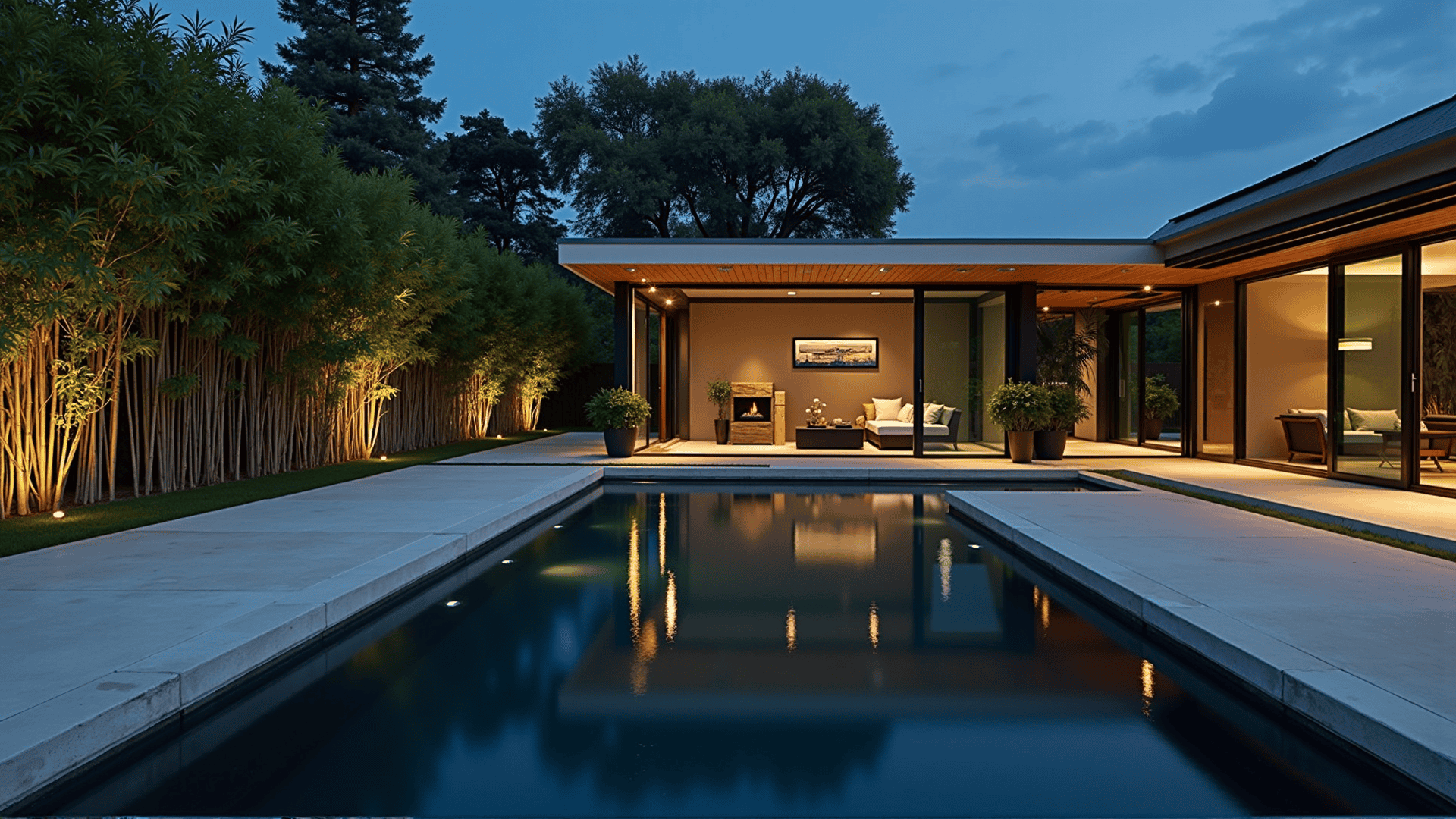
As someone who's designed and built custom pools for over two decades, I often tell my clients that a pool without proper sanitization is like buying a luxury car and never changing its oil – it might look great at first, but you're headed for trouble.
Let me be direct: pool sanitization isn't just another maintenance checkbox; it's the foundation of a healthy, enjoyable swimming environment. I've seen pristine pools transform into green, murky waters in just a few days without proper sanitization. Trust me, that's not the backdrop you want for your summer gatherings.
Why Sanitization Is Non-Negotiable
Think of pool sanitization as your water's immune system. Just as our bodies fight off infections, proper sanitization actively combats harmful microorganisms that naturally accumulate in pool water. Every time someone swims, they introduce potential contaminants – from everyday substances like sweat and cosmetics to more concerning bacteria and viruses.
I remember working with a client, a pediatrician, who particularly appreciated this explanation. She said, "So it's like having a 24/7 cleaning crew for my pool?" Exactly! Your sanitization system works continuously to maintain water quality, making it safe for your family to enjoy.
The Real Cost of Poor Sanitization
Throughout my career, I've encountered too many cases where inadequate sanitization led to costly consequences. Here's what's really at stake:
- Health Risks: Unsanitized pools can harbor bacteria like E. coli and parasites like Cryptosporidium
- Structural Impact: Poor water chemistry can damage your pool's finish and equipment
- Investment Protection: A properly sanitized pool maintains its value and reduces long-term maintenance costs
Impact on Pool Longevity
One aspect that often surprises my clients is how sanitization affects their pool's longevity. Proper sanitization doesn't just keep the water clean – it protects your significant investment. I've seen 20-year-old pools look almost new because of consistent sanitization, while others show serious wear after just a few years of neglect.
Making the Right Choice
When designing your custom pool, we'll help you choose a sanitization system that fits your lifestyle. Whether you're hosting frequent pool parties or seeking a low- Maintenance solution for family enjoyment, there's a perfect system for your needs.
Remember, while the initial investment in a quality sanitization system might seem substantial, it's a fraction of your overall pool investment and crucial for protecting it. As I often tell my clients – you're not just building a pool; you're creating a lasting legacy of family memories. Let's make sure those memories include crystal-clear, healthy water.
Primary Pool Sanitizer Options
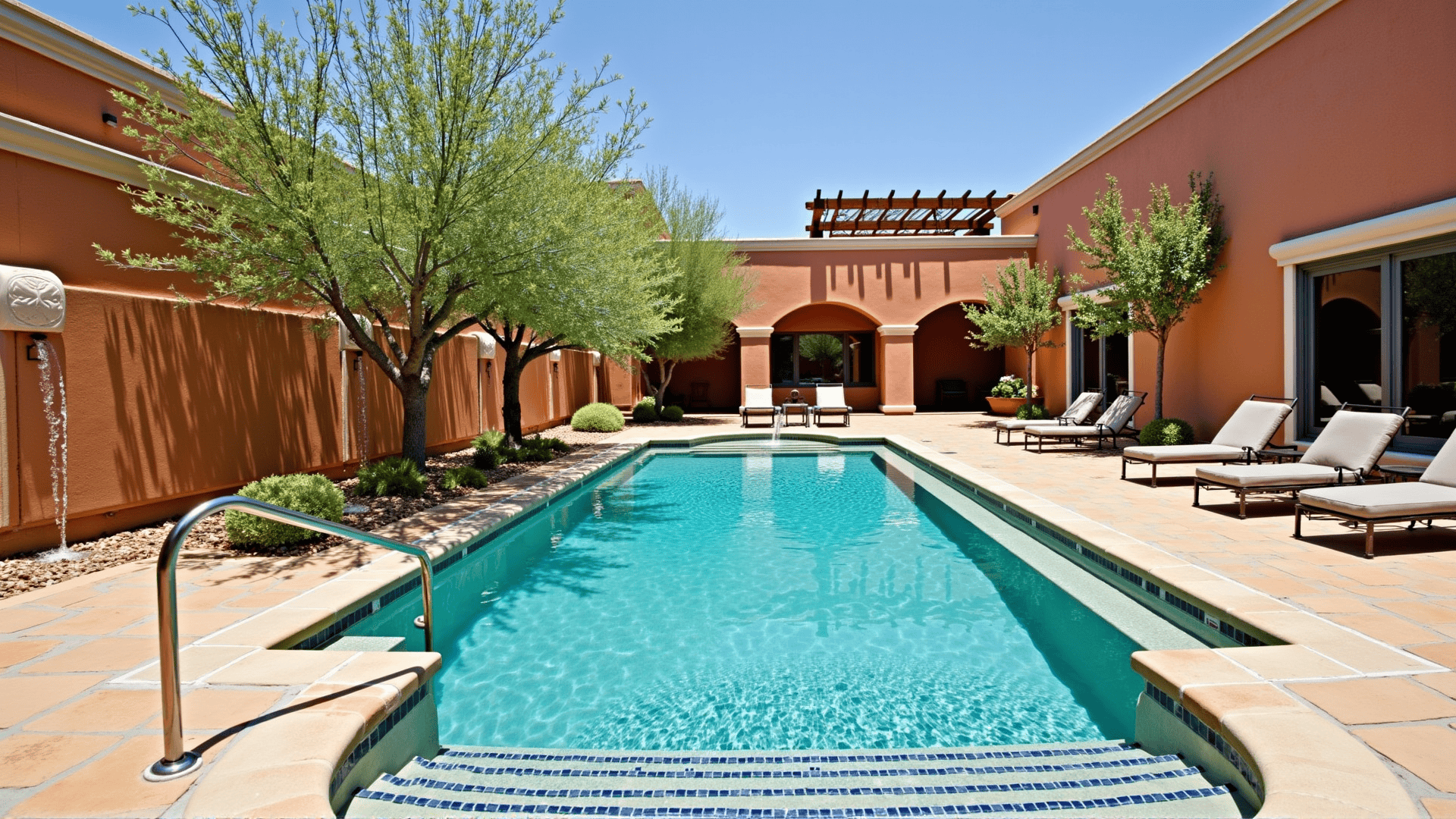
Having designed custom pools for discerning homeowners over the years, I've noticed that choosing a sanitization system often feels like selecting a smartphone - there are multiple excellent options, each with its own unique features. Let me break down the main contenders for your consideration.
Traditional Chlorine Systems
Still the most widely used option, and for good reason. Think of chlorine as the reliable sedan in the car world - dependable, cost-effective, and gets the job done. Modern chlorine systems are far more sophisticated than the ones your parents might have used. We can now integrate them with smart home systems for automated monitoring and maintenance.
Salt Chlorine Generators
These systems convert salt into chlorine through electrolysis, providing a gentler swimming experience. I often recommend these to my clients with children or sensitive skin. One of my clients, a tech executive, particularly appreciated how she could monitor and adjust levels from her phone. While the initial investment is higher, you'll save on chemical costs over time.
Bromine Systems
Less common but highly effective, especially for heated pools. Bromine is like chlorine's more stable cousin - it holds up better in warm water and produces fewer odors. However, it's typically more expensive and less ideal for outdoor pools due to UV sensitivity.
Mineral-Based Sanitization
Perfect for the environmentally conscious homeowner. These systems use minerals like silver and copper to purify water, reducing chemical usage by up to 50%. They're often combined with low levels of chlorine for optimal performance. I recently installed one for a family that wanted the most natural option possible while maintaining effective sanitization.
Comparative Cost Analysis
System Type | Initial Cost | Monthly Operating Cost | Longevity |
|---|---|---|---|
Traditional Chlorine | $1,050 | $400 to $900 | |
Salt Chlorine | $750 to $2,425 | $50 to $125 | 3-7 years (cell) |
Bromine | $600 | $88 to $100 | Standard |
Mineral-Based | $200 | $62 | 1-2 years (minerals) |

Remember, the best system for your pool depends on several factors:
- Usage patterns (family size, frequency of use)
- Local climate
- Maintenance preferences
- Budget considerations
Certified Pool Contractor Los Angeles: While it's tempting to focus solely on initial costs, consider the long-term operational expenses and maintenance requirements. I've seen clients save thousands over the years by choosing the right system from the start.
In my experience, salt chlorine generators offer the best balance of comfort, convenience, and cost for most custom pools. However, each situation is unique, and we'll help you evaluate the perfect solution for your specific needs during the design phase.
Understanding Chlorine: The Industry Standard
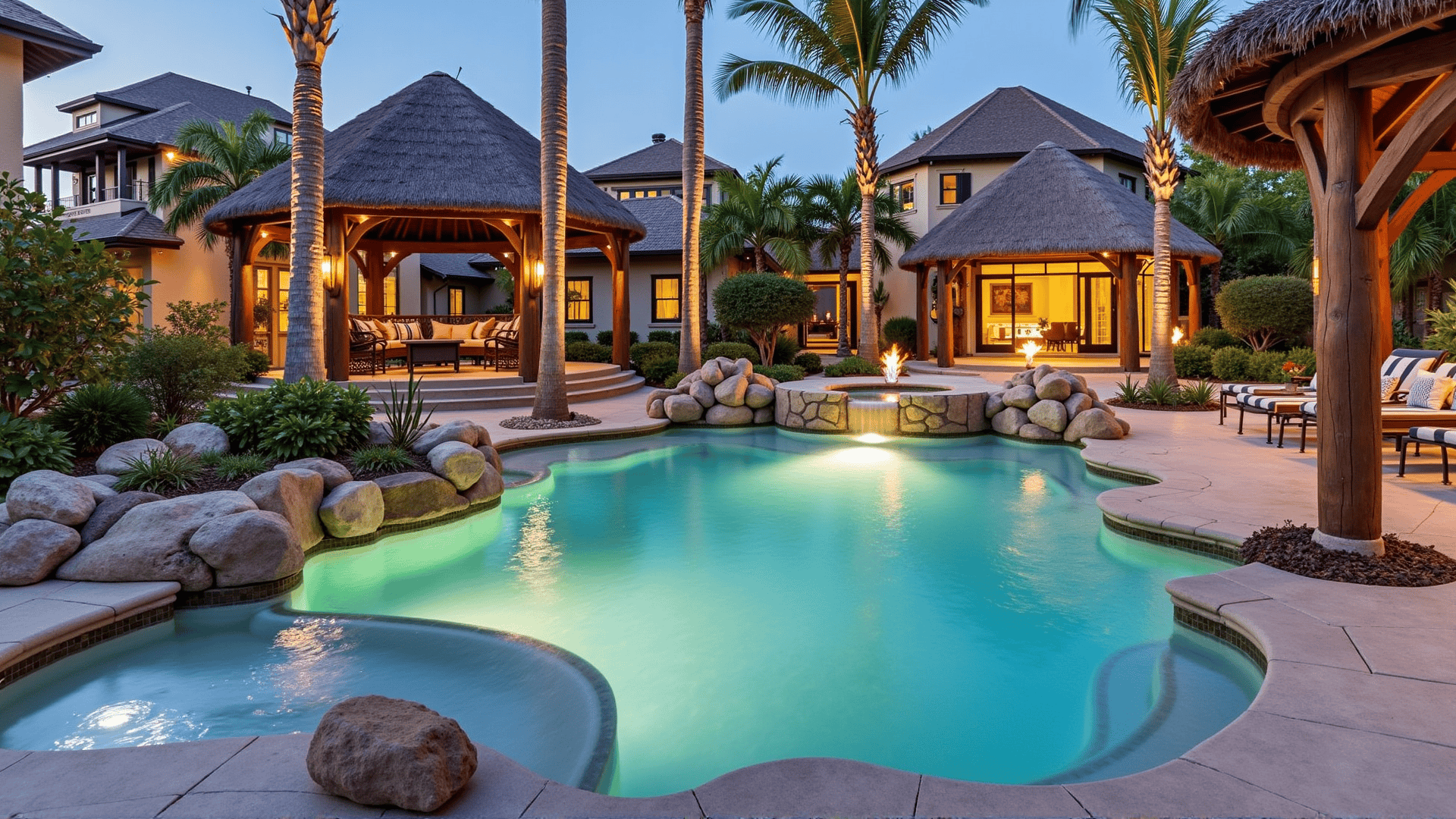
After years of building custom pools, I still find it fascinating how one element can be so fundamental to pool ownership. Let me demystify chlorine in a way that goes beyond the typical pool store explanation.
How Chlorine Actually Works
Think of chlorine as your pool's microscopic security team. When it enters the water, it forms a compound called hypochlorous acid (HOCl) - the real superhero of pool sanitization. It's like having millions of tiny cleaning robots patrolling your water, eliminating contaminants on contact.
Forms of Chlorine: Choosing Your Weapon
Tablets
The "set-it-and-forget-it" option. Just like you might use a pill organizer for vitamins, tablets provide a steady, measured release of chlorine. They're inserted into a floating dispenser or automatic chlorinator, making them ideal for busy professionals who want consistent treatment with minimal effort.

Liquid
Fast-acting and powerful. I often compare liquid chlorine to espresso - it hits your pool quickly but doesn't last as long as other forms. While it's the purest form available, it requires more frequent application and careful storage.
Granular
The most versatile option. Like seasoning for your pool, you can easily adjust the amount based on your pool's specific needs. It's particularly effective for spot-treating problems or shocking your pool.
Debunking Common Chlorine Myths
Let me address some concerns I hear from clients:
- Myth: "Chlorine pools always smell strongly of chemicals."
- Truth: That distinctive "pool smell" actually indicates improperly balanced chlorine levels. A well-maintained pool should have minimal odor.
- Myth: "Chlorine turns hair green."
- Truth: It's actually copper in the water, often from old plumbing or algaecides, that causes the green tint. Proper chemical balance prevents this issue.
Pros and Cons for Custom Pools
Advantages
- Most cost-effective sanitization method
- Proven track record of reliability
- Easy to maintain with modern automation
- Readily available supplies
Considerations
- Requires regular monitoring
- Can be harsh on sensitive skin if not properly balanced
- Storage needs for chemicals
- May need supplemental systems for optimal performance
Trusted Los Angeles Pool Builders: When we design your custom pool, we can incorporate an automatic chemical monitoring system that alerts you via smartphone when adjustments are needed. It's like having a pool expert on call 24/7.
Remember, while chlorine is the industry standard, it's not your only option. As your pool builder, we'll help you evaluate whether a traditional chlorine system or an alternative solution better suits your lifestyle and preferences.
Modern Sanitization Technologies

If traditional chlorine systems are like the reliable sedans of pool sanitization, modern technologies are the luxury EVs - sophisticated, efficient, and environmentally conscious. Let me walk you through these cutting-edge options that are revolutionizing pool care.
UV Sanitization Systems
Think of UV systems as your pool's high-tech immune booster. They use powerful ultraviolet light to neutralize harmful microorganisms as water passes through the filtration system. Last summer, I installed one for a client, a physician, who was particularly impressed by how it mirrors the sanitization methods used in medical facilities.
Key Benefits:
- Reduces chemical usage by up to 50%
- No harmful byproducts
- Extremely effective against chlorine-resistant organisms
- Silent and invisible operation
Ozone Generators
Ozone technology is nature's sanitizer supercharged. Just as lightning purifies our atmosphere by creating ozone, these systems generate ozone gas to cleanse your pool water. I recently integrated one into a custom pool for an environmental engineer who loved the concept of mimicking nature's own purification process.

Notable Features:
- Powerful oxidation capabilities
- Reduces chemical dependency
- Leaves no chemical residue
- Enhanced water clarity
Advanced Oxidation Process (AOP)
AOP is what I call the "dream team" of modern sanitization. It combines UV and ozone technologies to create hydroxyl radicals - the most powerful oxidizers available for pool water. Think of it as having both a security system and a cleaning service for your water.
Integration with Traditional Methods
Here's where my experience really comes into play. The key to maximizing these modern technologies is proper integration. We typically design these systems to work alongside a minimal amount of traditional sanitizers, creating what I call a "belt and suspenders" approach to water quality.
Smart Integration Example:
- UV System + Low-Level Chlorine
- UV handles primary sanitization
- Chlorine provides residual protection
- Result: Minimal chemicals, maximum protection
Real-World Impact
Let me share a quick success story. Last year, we built a pool for a family with children who had sensitive skin. By implementing a combination of UV and minimal salt chlorine generation, they've enjoyed crystal-clear water with zero skin irritation issues. Their chemical usage is down 70% compared to traditional systems.
Remember, while these technologies represent the cutting edge of pool sanitization, they're not just fancy gadgets. They're proven solutions that can significantly enhance your pool ownership experience while reducing your environmental footprint.
Pro tip: When we design your pool, we can prewire it for future technology upgrades, even if you're not ready to implement them immediately. It's like future-proofing your investment.
Supplemental Sanitization Methods

In my years of building custom pools, I've learned that even the best primary sanitization systems sometimes need a little backup. Think of supplemental sanitization like having a home security system in addition to good locks - it's that extra layer of protection that makes all the difference.
Enzyme Treatments: Nature’s Little Helpers
I love explaining enzymes to my clients using a simple analogy: if your primary sanitizer is like the cleaning crew in a restaurant, enzymes are the prep cooks who break down the tough stuff before it becomes a problem. They're particularly effective at:
- Breaking down oils and lotions
- Reducing scum lines
- Preventing organic staining
- Improving filter efficiency
One of my recent clients, a biochemist, was particularly impressed with how enzymes naturally reduce the workload on primary sanitizers without adding harsh chemicals.
Algaecides: Your Preventive Shield
Think of algaecides as your pool's insurance policy. While a well-maintained sanitizer system should prevent algae growth, algaecides provide crucial backup during:
- High-temperature periods
- Heavy rain seasons
- Extended periods of high pool usage
- Vacation periods when maintenance might be less consistent
Shock Treatments: The Reset Button
I often tell my clients that shocking your pool is like running a deep clean cycle on your washing machine - sometimes you need that extra boost to restore peak cleanliness. Modern shock treatments come in two varieties:

Chlorine-Based Shock:
- Powerful oxidizing action
- Eliminates resistant contaminants
- Best for addressing specific problems
Non-Chlorine Shock:
- Gentler oxidation
- Faster return to swim-ready
- Ideal for routine maintenance
When to Use Supplemental Methods
Here's a quick decision guide I share with my clients:
Regular Maintenance:
- Weekly enzyme treatment
- Monthly preventive algaecide
- Bi-weekly non-chlorine shock
Special Situations:
- After heavy pool use
- Following storms
- When opening/closing the pool
Pro tip: When we design your custom pool, we can incorporate automated systems for many of these supplemental treatments, making maintenance nearly hands-free.
Remember, supplemental sanitization isn't about compensating for a inadequate primary system - it's about optimizing your pool's water quality and protecting your investment. In my experience, pools that utilize appropriate supplemental methods consistently outperform those that don't, both in water quality and reduced maintenance needs.
Factors Affecting Your Sanitizer Choice

After designing hundreds of custom pools, I've learned that choosing the right sanitizer system is like tailoring a suit - it needs to fit your specific situation perfectly. Let me share the key factors that will influence your decision.
Pool Size and Volume
Size matters more than you might think. I remember a client who insisted on a salt chlorine generator sized for an average pool, even though their design was nearly twice the standard volume. Three months later,we were upgrading their system. Here's a quick reference:
Small Pools (<20,000 gallons):
- Most sanitizer options viable
- Lower operating costs
- Simpler maintenance
Large Pools (>40,000 gallons):
- Need robust sanitization
- Consider dual systems
- Higher chemical demand
Indoor vs Outdoor Installation
The environment your pool lives in dramatically affects your sanitizer needs. Just last month, I worked with a client building an indoor pool who was surprised to learn that their sanitizer choice would affect indoor air quality.
Outdoor Considerations:
- UV exposure affects sanitizer stability
- Weather impacts chemical consumption
- Need for more robust algae prevention
Indoor Considerations:
- Ventilation requirements
- Lower chemical consumption
- Enhanced focus on air quality
Climate Matters
Your local climate isn't just small talk - it's a crucial factor in sanitizer selection. Here in our area, we deal with [specific local climate challenges], which is why I often recommend [specific solution] to my clients.
Usage Patterns
This is where your lifestyle really comes into play. I use this simple formula:
High Usage:
- Multiple swimmers daily
- Frequent entertaining
- Children's activities → Needs robust, automated sanitization
Moderate Usage:
- Weekend family use
- Occasional gatherings
- Regular exercise → Standard systems usually sufficient
Budget Considerations
Let's be frank about money - it's not just about the initial cost. I always show my clients this comparison:
System Type | Initial Cost | Monthly Cost | H 1 |
|---|---|---|---|
Basic Chlorine | $1,050 | $80 to $150 | $4,800 |
Salt System | $750 | $88 to $100 | $5,250 |
UV + Chlorine | TrueDepth camera | $80 to $150 | $4,800 |
Pro tip: The least expensive system upfront isn't always the most economical in the long run. I've seen clients save thousands by investing in the right system initially.
Remember, as your pool builder, our goal is to match you with a sanitization system that fits your lifestyle, not just your budget. It's about creating a sustainable solution that you'll be happy with for years to come.
Maintenance Requirements by System Type

After building custom pools for over two decades, I've learned that understanding maintenance requirements is like knowing the care instructions for a fine car - essential for protecting your investment. Let me break down what each system demands of your time and attention.
Traditional Chlorine Systems
Daily Tasks:
- Check chlorine levels (5 minutes)
- Inspect skimmer baskets (2 minutes)
Weekly Tasks:
- Test complete water chemistry (15 minutes)
- Add chlorine as needed (10 minutes)
- Clean skimmer and pump baskets (15 minutes)
Pro tip: I always tell my clients to think of chlorine maintenance like charging your phone - it needs regular attention, but it becomes routine quickly.
Salt Chlorine Generators
Daily Tasks:
- Quick visual inspection (2 minutes)
Weekly Tasks:
- Test salt and chemistry levels (15 minutes)
- Clean cell if needed (20 minutes, monthly)
Seasonal Tasks:
- Inspect and clean cell thoroughly (30 minutes)
- Check salt levels after rain (5 minutes)
One of my clients, a busy executive, loves her salt system because it's like having a smart thermostat - it mostly runs itself with occasional oversight.
UV Systems
Daily Tasks:
- Monitor system indicator lights (1 minute)
Weekly Tasks:
- Test water chemistry (15 minutes)
- Check supplemental sanitizer levels (5 minutes)
Annual Tasks:
- Replace UV lamp (30 minutes, professional service)
Equipment Needs by System
Essential Tools:
- Quality Test Kit
- Basic Cleaning Equipment
- System-Specific Tools
- Cell Cleaning Kit (Salt)
- UV Safety Equipment
- Chemical Storage
- Solutions
Professional Service Requirements
Here's what typically requires professional attention:
System Type | Professional Visits | Annual Cost |
|---|---|---|
Chlorine | 2-4 times/year | $30 to $ 260 |
Salt | 1-2 times/year | $80 to $100 |
UV | 1-2 times/year | $80 to $150 |
Long-term Maintenance Costs
An insider tip from my experience: Budget for these typical lifespans:
- Salt cells: 3-7 years
- UV lamps: 1-2 years
- Chlorinator parts: 2-5 years
Remember, when we design your custom pool, we can incorporate automated monitoring systems that simplify maintenance regardless of your chosen sanitization method. It's like having a pool expert on call 24/7, sending alerts right to your smartphone when attention is needed.
Water Testing and Chemical Balance
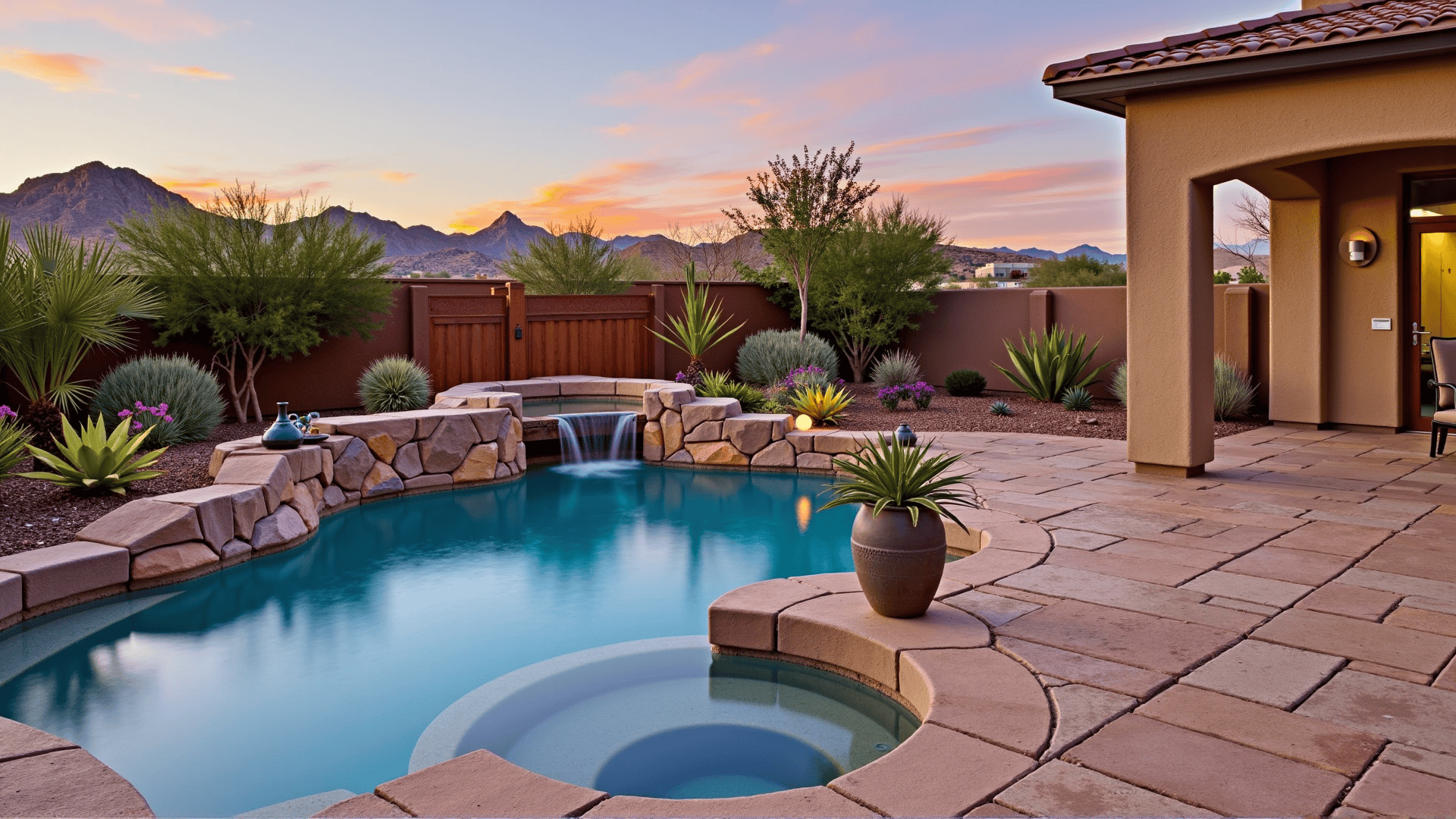
As a pool builder who's seen thousands of water samples over the years, I often tell my clients that water testing is like having a regular health checkup for your pool. Just as your doctor checks vital signs, we need to monitor key parameters to ensure your pool's "health."
Essential Testing Parameters
Think of these as your pool's vital signs:
Primary Indicators:
- pH (7.2-7.6)
- Chlorine (1-3 ppm)
- Alkalinity (80-120 ppm)
Secondary Indicators:
- Stabilizer (30-80 ppm)
- Calcium Hardness (200-400 ppm)
- Total Dissolved Solids
Pro tip: I recently helped a client, a medical researcher, set up digital testing equipment that syncs with her phone. She loved the precision and data tracking capabilities - it's like having a lab in your backyard!
Testing Frequency
Here's the testing schedule I recommend to my clients:
Daily Quick Check:
- Sanitizer levels
- pH levels
Weekly Comprehensive Test:
- All primary indicators
- Secondary indicators
- Equipment performance check
Monthly Professional Analysis:
- Detailed water chemistry review
Impact on Sanitizer Effectiveness
Here's something many pool owners don't realize: your sanitizer's effectiveness is directly tied to pH levels. I use this analogy: it's like trying to wash dishes with cold water and no soap - you might have the right tools, but they won't work efficiently without the proper conditions.
Professional vs DIY Testing
DIY Testing Options:
- Test strips (Quick but less accurate)
- Digital testers (More precise, good for tech-savvy owners)
- Liquid test kits (Most accurate DIY method)
Professional Testing Benefits:
- Calibrated equipment
- Comprehensive analysis
- Expert interpretation
Smart Testing Technology
We can now integrate automated testing systems during pool construction. These systems can:
- Monitor water chemistry 24/7
- Alert you via smartphone when adjustments are needed
- Track historical data for optimal maintenance
One of my favorite success stories involves a busy executive couple who were worried about maintenance. We installed an automated system, and they haven't had a single water quality issue in three years - the system alerts them before problems develop.
Remember, proper water testing isn't just about maintaining chemistry - it's about protecting your investment and ensuring your pool is always ready for those spontaneous summer evening swims.
Making the Right Choice for Your Custom Pool
After 48 years of crafting custom pools, we understand that choosing the right sanitization system is crucial for your pool's long-term enjoyment. Throughout this guide, we've shared our expertise on everything from traditional chlorine systems to cutting-edge UV technology, helping you understand what works best for your lifestyle.
As your potential pool builder, we bring more than technical knowledge – we bring decades of real-world experience in creating perfect backyard sanctuaries for families like yours. Our approach combines time-tested methods with modern innovations, ensuring your pool remains crystal clear and low-maintenance for years to come.
Whether you're leaning toward a salt chlorine generator for its gentle water quality or considering a UV system for its environmental benefits, we're here to help you make an informed decision that aligns with your family's needs and values.
Ready to turn your backyard dream into reality? Let's discuss your custom pool project and design the perfect sanitization system for your needs. Our experienced team is ready to answer any questions you might have about pool sanitization or the overall building process.
Contact us today at (310) 261-2440 or visit our contact page to schedule your consultation. Let's create your perfect backyard oasis together.