Energy-Efficient Solutions for Eco- Friendly Pool Renovations
Understanding Sustainable Pool Technology

As someone who's spent over two decades transforming backyards into sustainable paradises, I've witnessed firsthand the remarkable evolution of pool technology. When I first started in this industry, "eco-friendly" meant simply using a pool cover. Today? We're talking about sophisticated systems that would make a NASA engineer proud.
Let me break down why sustainable pool technology isn't just a trendy buzzword – it's the future of pool ownership.
The Shift from Traditional to Eco-Friendly Systems
Think of fiberglass pools as the Tesla of the pool world - sleek, modern, and manufactured with precision. These pools arrive at your home as a single, pre-made shell. They're factory-crafted using layers of fiberglass composite materials and coated with a smooth gel finish. What makes them special is their non-porous surface - imagine a surface so smooth that algae literally can't find a place to grip onto.
Concrete Pools: The “Fully Custom” Choice
Remember those old single-speed pool pumps that sounded like a small airplane taking off in your backyard? They were energy hogs, running at full blast whether they needed to or not. It's like using a fire hose to water a small plant. Modern variable-speed pumps, however, are like having a smart assistant that knows exactly how much power to use and when. I've had clients literally dance with joy when they see their first utility bill after an upgrade.
Environmental Impact
Traditional pools, bless their hearts, weren't exactly Mother Nature's best friends. Between the high energy consumption, water waste, and chemical usage, they left quite a footprint. Here's a startling fact I share with my clients: a conventional pool pump can consume as much energy as your refrigerator and clothes dryer combined. That's not just bad for the planet – it's rough on your wallet too.
Long-Term Benefits
This is where it gets exciting. Modern sustainable pool technology isn't just about being green – it's about being smart with your investment. I recently worked with a family in who upgraded their entire pool system to eco-friendly equipment. Within 18 months, they had recovered their investment through reduced utility bills and maintenance costs. Plus, their pool water feels silkier than ever, thanks to natural sanitization systems.
Return on Investment
Let's talk numbers (because who doesn't love saving money?). When you invest in sustainable pool technology, you're looking at:
- 50-90% reduction in energy costs with variable-speed pumps
- Up to 70% reduction in water consumption with smart covers
- 30-50% decrease in chemical usage with natural sanitization systems
But perhaps the most significant return? The peace of mind knowing you're making a responsible choice for the environment while creating a healthier swimming environment for your family.
The best part about today's sustainable pool technology is its user-friendliness. Gone are the days of complex maintenance routines. Modern systems can be controlled from your smartphone, automatically adjust based on weather conditions, and even predict when they need maintenance. It's like having a pool that takes care of itself.
For my clients who are just starting their sustainable pool journey, I always say: start with what matters most to you. Whether it's reducing energy costs, minimizing chemical use, or conserving water, there's a sustainable solution that fits your needs and budget. The technology is here, it's proven, and it's only getting better.
The future of pool ownership isn't just about having a beautiful backyard oasis – it's about having one that works in harmony with our environment while providing years of worry-free enjoyment for your family.
Energy-Efficient Equipment Solutions
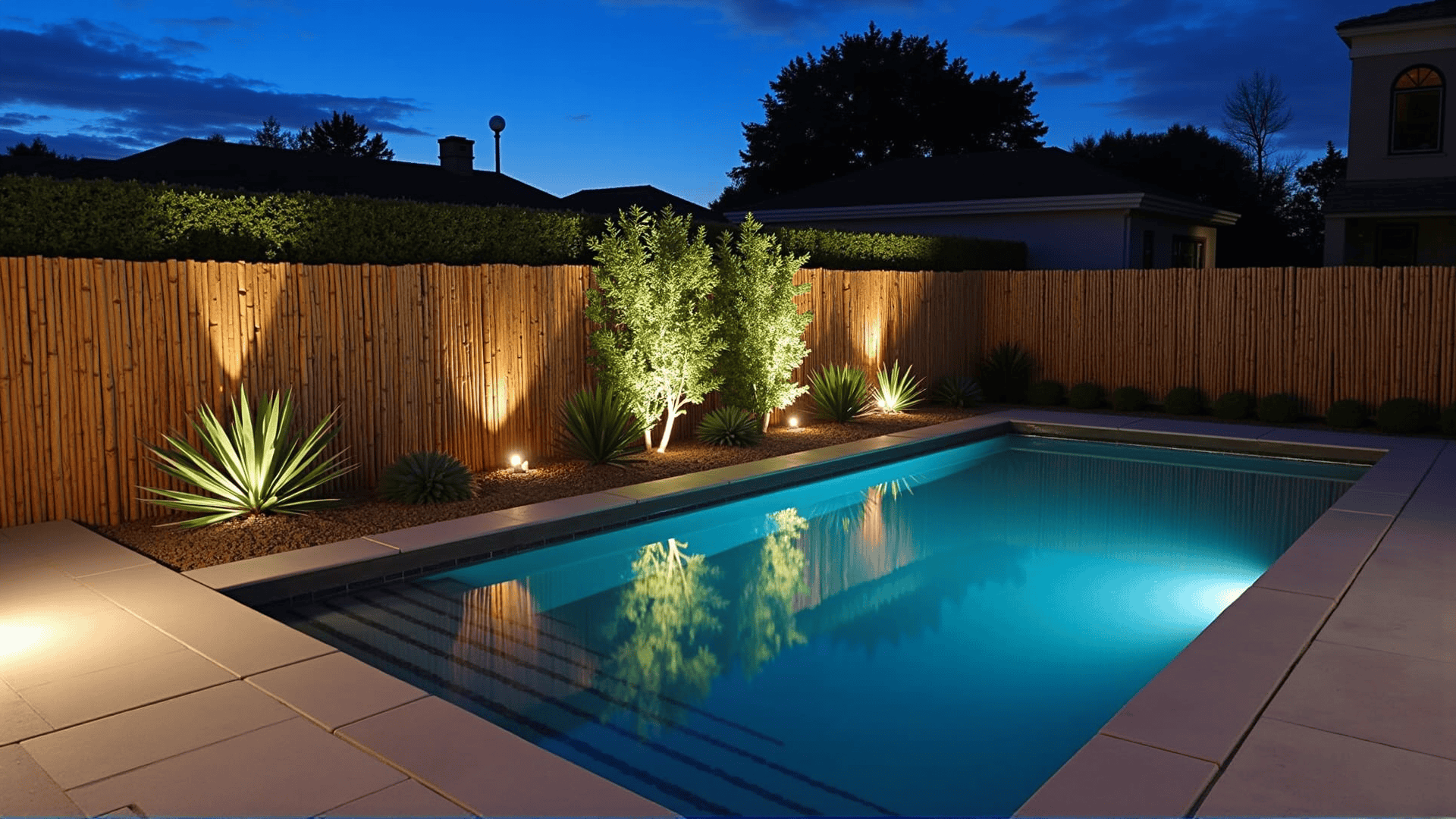
After decades in the pool industry, I've learned that when it comes to pool equipment, efficiency isn't just about saving the planet – it's about saving your sanity (and your wallet). Let me share some game-changing solutions that have my clients wondering why they didn't upgrade sooner.
Variable-Speed Pumps: The Heart of Efficiency
Think of your pool pump like your car's engine. You wouldn't drive at full speed to grab groceries from the corner store, right? That's exactly what old single-speed pumps do – run at full blast 24/7. Variable-speed pumps, however, are like having a Tesla for your pool. They adjust their power based on what your pool needs at any given moment.
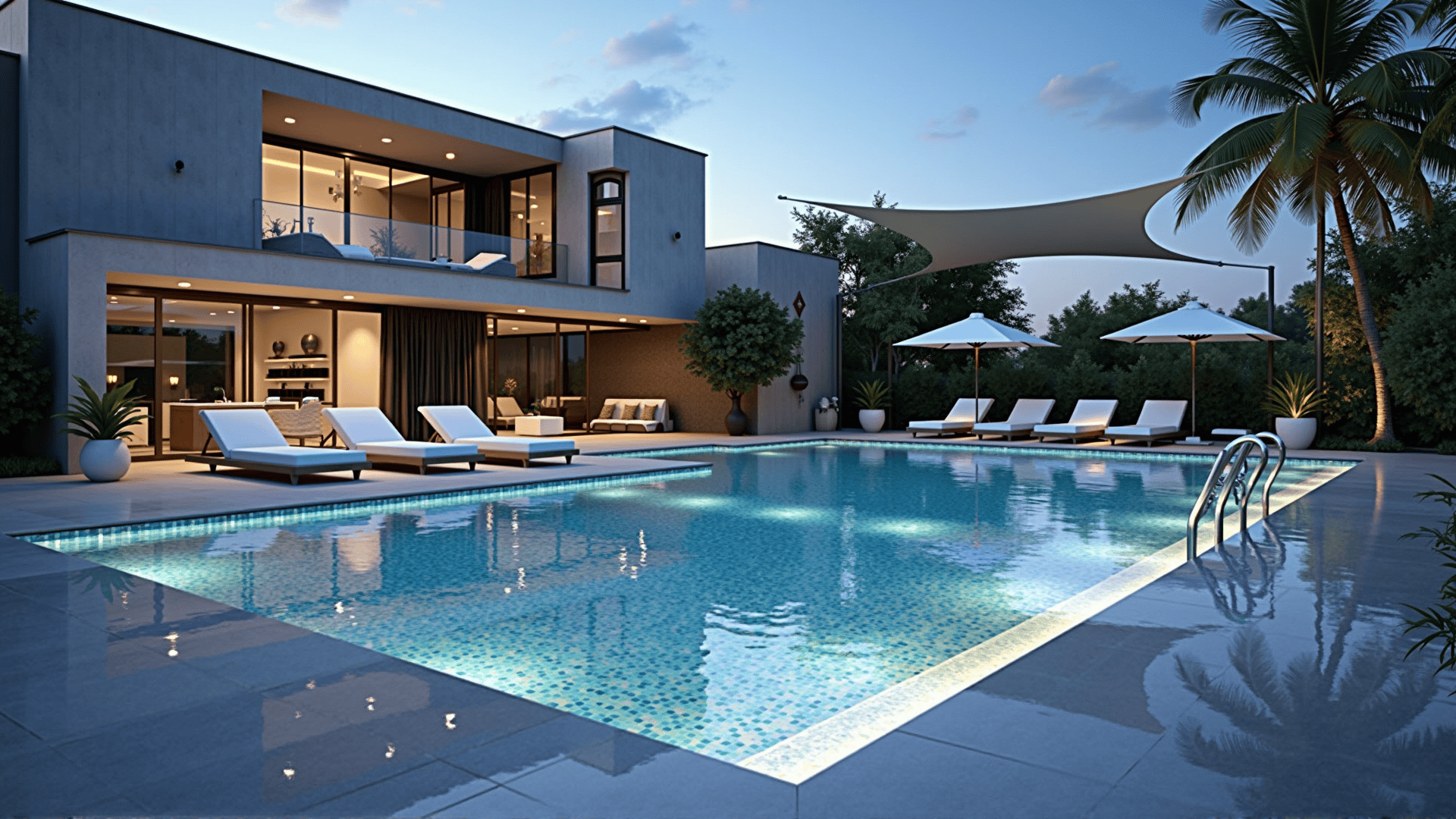
Last summer, I installed a variable-speed pump for a tech executive who loves tracking his home's energy usage. His reaction to the first month's utility bill? "I thought there was a mistake!" The pump had cut his pool's energy consumption by 80%. That's not a typo – eighty percent.
LED Lighting: Bright Ideas, Better Bills
- Remember those hot, energy-hungry halogen pool lights? Modern LED lights are the way to go. They use about 75% less energy and last up to five times longer. Plus, and this is my favorite part to demonstrate to clients, many can change colors with a tap on your phone. Instant pool party? Yes, please.
Smart Automation Systems: Your Pool’s Brain
Here's where things get really interesting. Modern automation systems are like having a pool butler (without the formal attire). They can:
- Adjust pump speeds based on time of day
- Control heating based on weather forecasts
- Manage lighting schedules automatically
- Alert you when maintenance is needed
One of my clients, a busy surgeon, particularly loves this feature. "It's like having a pool expert on staff 24/7," she told me.
Heat Pump and Solar Solutions
When clients ask about heating options, I often share this analogy: Traditional gas heaters are like using a blowtorch to heat your morning coffee – effective but excessive. Heat pumps, especially when paired with solar, are more like a sophisticated coffee maker that knows exactly how to maintain the perfect temperature.
Here's a quick cost comparison I recently did for a client:
- Traditional gas heater: $300-500/month in operating costs
- Heat pump: $100-200/month
- Heat pump + solar: $50-75/month
Every piece of energy-efficient equipment works together as part of a larger system. It's like an orchestra – when all instruments play in harmony, the result is magnificent. In this case, the symphony is a perfectly maintained pool that costs less to operate than ever before.
Remember, the most expensive equipment is often the one that wastes energy. Investing in energy-efficient solutions isn't just about being environmentally conscious – it's about making smart, long-term decisions for your pool's operation and maintenance.
Trust me, after installing thousands of pools, I've never had a client regret going energy-efficient. The only comment I usually get is, "Why didn't I do this sooner?"
After 48 years in the business, I've learned that Mother Nature doesn't always cooperate with our schedules. Rain can delay concrete work, extreme heat can affect curing times, and cold temperatures can impact liner installations. We build these potential delays into our timelines to set realistic expectations.
Remember, a quality installation isn't about speed - it's about doing things right. When clients get anxious about timelines, I remind them that they'll be enjoying this pool for decades to come. A few extra weeks of proper installation is worth years of trouble-free enjoyment.
Next up, let's explore the exciting world of customization options for each pool type - because this is where your dream pool really starts taking shape.
Water Conservation Features


In my 20+ years of building custom pools, one of the most frequent concerns I hear from environmentally conscious homeowners is about water consumption. "Isn't a pool just a big water waster?" they ask. Well, not anymore! Let me show you how modern water conservation features have transformed pool ownership.
Advanced Filtration Systems: The Hidden Hero
Think of your pool's filtration system like your home's air purifier – but with a PhD. Today's advanced filters don't just clean better; they're designed to minimize water waste during the cleaning process. I recently installed a cartridge filtration system for a family in who used to backwash their old sand filter weekly, wasting hundreds of gallons. Their new system? They're saving about 2,000 gallons per month. That's enough to fill a small water park!
Automatic Water Leveling: Precision Matters
Remember the days of manually filling your pool with a garden hose, getting distracted by a phone call, and coming back to an overflowing pool? (We've all been there!) Modern auto-leveling systems are like having a watchful guardian for your pool's water level. They maintain the perfect water level automatically, using only what's needed.
Rainwater Harvesting: Nature’s Gift
This is my favorite feature to discuss with forward-thinking clients. By integrating rainwater harvesting systems, we can capture what Mother Nature provides and use it in your pool. I recently designed a system for an environmental lawyer that collects rainwater from their roof and stores it for pool use. Their reaction? "It's like getting free pool water from the sky!" Well, technically, that's exactly what it is.
High-Efficiency Backwash Methods
For pools that still require traditional backwashing, we've developed smarter methods. New backwash systems can recycle the water for landscape irrigation or store it for future use. It's like giving your pool water a second life. One of my clients, a sustainability consultant, calculated that this feature alone saves them over 10,000 gallons annually.
Smart Pool Covers: The MVP of Conservation
If water conservation features were a sports team, the smart pool cover would be the MVP. These aren't your grandfather's pool covers. Modern automatic covers:
- Reduce evaporation by up to 95%
- Maintain water temperature
- Keep debris out
- Lower chemical usage
- Improve safety
A recent client, a data analyst, tracked his water usage before and after installing a smart cover. The results? A 30% reduction in water consumption and chemical use. That's what I call a win-win!
The beauty of these water conservation features isn't just in their environmental impact – it's in how seamlessly they work together. They're like a well-orchestrated symphony, each playing its part in creating a more sustainable pool system.
Remember, conserving water doesn't mean compromising on enjoyment. In fact, these features often enhance the pool experience while reducing maintenance time and costs. As I often tell my clients, "The best pool is one that takes care of itself while taking care of the environment."
Want to know the best part? Most of these features can be monitored and controlled right from your smartphone. Welcome to the future of pool ownership, where sustainability meets convenience!
Natural Water Treatment Options

After building pools for over two decades, I've seen countless clients cringe at the smell of chlorine and worry about its effects on their family's health. Here's the good news: modern natural water treatment options have revolutionized how we keep pool water clean and safe. Let me walk you through the alternatives that have my clients raving about their "spa-like" pool water.
Saltwater Chlorination: Nature’s Way
Think of saltwater chlorination as your pool's personal chemistry lab, but without the lab coat. Instead of manually adding chlorine, these systems create their own sanitizer from simple salt. The result? Water that feels silky smooth on your skin.
A physician client of mine recently made the switch and told me, "It's like swimming in soft rainwater!" The best part? The salt content is about one-tenth of ocean water, so no, you won't float like you're in the Dead Sea (though wouldn't that be fun?).
Mineral Purification: The Silent Guardian
Remember those ionic silver water purifiers that became popular for drinking water? We've taken that concept to the next level. Modern mineral systems use copper and silver ions to fight bacteria naturally. I love explaining to clients that this technology has been around since ancient Roman times – we've just made it smarter.

Last month, I installed a mineral system for a family whose daughter has sensitive skin. Their feedback? "No more red eyes, no more itchy skin, and the water sparkles!"
Ozone Treatment: The Power of O₃
This is where science gets exciting. Ozone treatment is like having a thunderstorm in your pool (minus the lightning, of course). It uses the same process that makes the air smell fresh after rain to sanitize your water. When I demonstrate how ozone systems work, clients are amazed that something so powerful can be so natural.
UV Light Sanitization: Harnessing the Sun’s Power
UV sanitization is like putting your pool water through a super-powered sunbeam. These systems use concentrated UV light to neutralize harmful microorganisms without adding any chemicals. One of my tech-savvy clients calls it their "pool lightsaber" – and honestly, that's not a bad description!
Benefits of Natural Treatment
The shift to natural water treatment typically results in:
- 50-80% reduction in chemical usage
- Softer, clearer water
- No more red eyes or irritated skin
- Reduced maintenance time
- Lower long-term costs
What I find most fascinating is how these systems can work together. Like a well-conducted orchestra, each playing its part to create perfect harmony in your pool water. You can combine a saltwater system with UV treatment, or mineral purification with ozone – the possibilities are endless.
The best compliment I receive? When clients tell me their pool water feels better than their drinking water. That's when I know we've done our job right.
Remember, the goal isn't just to eliminate chlorine – it's to create a healthier, more natural swimming environment that practically maintains itself. As I often tell my clients, "Your pool should be a source of relaxation, not a chemistry project."
Sustainable Materials and Finishes

In my years of crafting custom pools, I've watched sustainable materials evolve from basic, utilitarian options to stunning design elements that would make any architect jealous. Let me share what's making waves in eco-friendly pool materials today – pun absolutely intended!
Eco-Friendly Pool Plaster: Beyond the Basics
Gone are the days when white plaster was your only option. Today's eco-friendly plasters are like choosing between fine wines – each with its own character and benefits. My favorite is the glass-bead finish, which actually uses recycled glass. I recently completed a pool with this finish for an interior designer, and her reaction was priceless: "It's like swimming in liquid diamonds!"
These modern finishes aren't just pretty – they're tough. They last up to twice as long as traditional plaster, meaning less maintenance and fewer replacements over your pool's lifetime. That's what I call sustainable luxury.
Recycled Glass Tiles and Natural Stone
Here's where sustainability meets sophistication. Those gorgeous blue glass tiles you're admiring? They might have had a previous life as windows or bottles. We're talking about genuine upcycling here, folks!
I love telling clients about a recent project where we used recycled glass tiles that came from local buildings being renovated. Not only did it create a stunning waterline feature, but it also had a great story behind it. As one client put it, "My pool has more history than my house!"
Sustainable Decking Solutions
Your pool deck is like the frame around a masterpiece – it needs to complement the pool while standing up to the elements. Today's sustainable decking options include:
- Composite materials made from recycled plastics and wood fibers
- Locally sourced natural stone
- Permeable pavers that allow rainwater to replenish groundwater
- Reclaimed wood treated with eco-friendly sealants
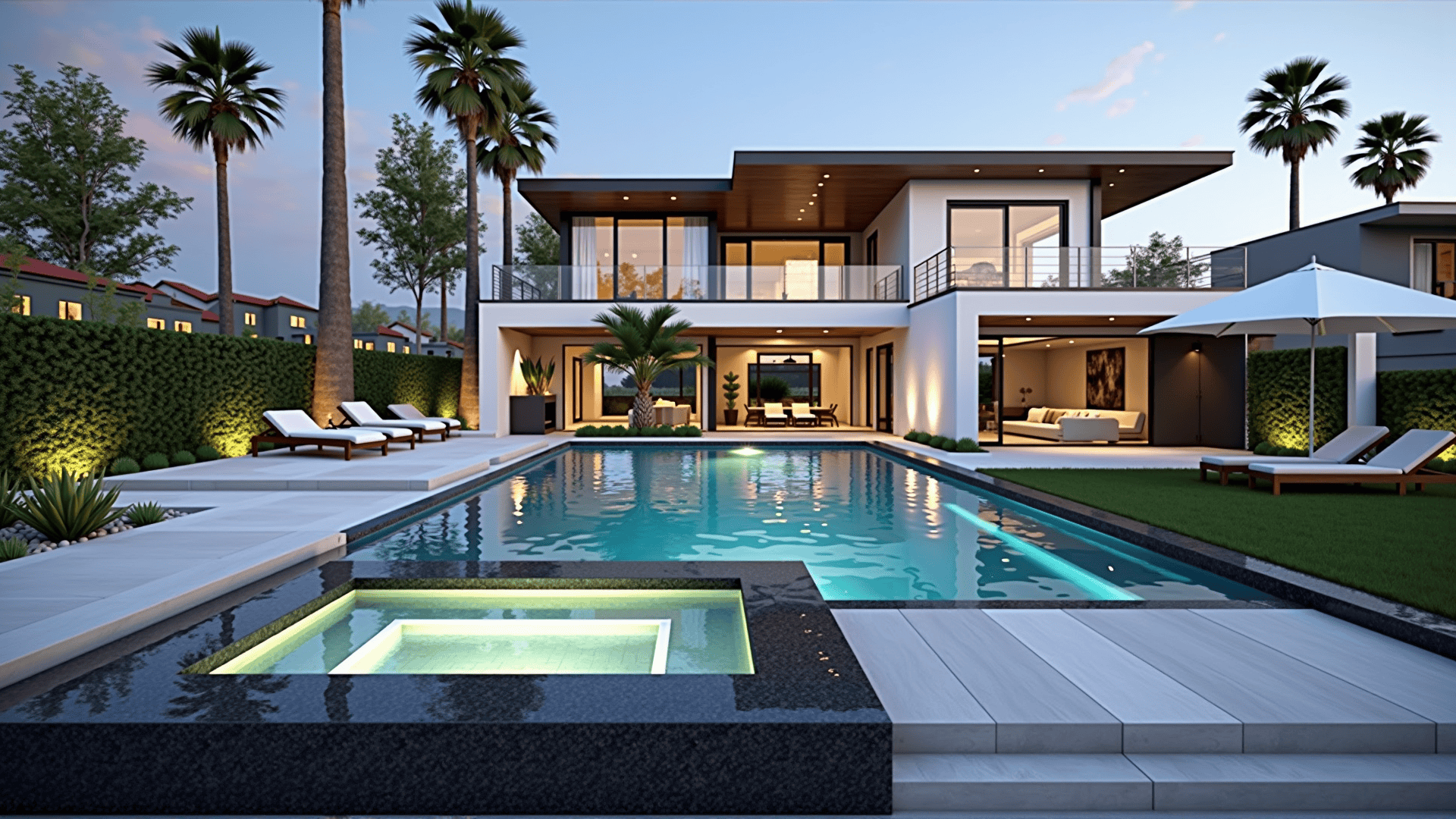
A tech executive I worked with chose permeable pavers for their pool deck. Their reason? "It's like giving back to the environment with every raindrop." I couldn't have said it better myself.
Native Landscaping Integration
This is where your pool becomes part of the local ecosystem rather than fighting against it. I always encourage clients to think of their pool area as a micro-environment. By incorporating native plants, you're:
- Reducing water consumption
- Supporting local wildlife
- Creating natural shade
- Minimizing maintenance needs
One of my favorite projects involved creating a natural privacy screen using native grasses and flowering shrubs. The pool literally changes appearance with the seasons, and the owners haven't turned on their pool heater once thanks to the strategic plant placement!
The beauty of today's sustainable materials isn't just in their environmental impact – it's in their longevity and low maintenance requirements. When clients ask about the cost difference, I remind them: "The most expensive material is the one you have to replace every few years."
By choosing sustainable materials and finishes, you're not just building a pool – you're creating a legacy that will look beautiful and perform efficiently for years to come. And isn't that what true luxury is all about?
Smart Design Strategies

After designing countless pools over the years, I've learned that a truly sustainable pool starts with smart design. It's like playing chess – every move matters, and thinking several steps ahead makes all the difference. Let me share some game-changing strategies that have transformed how we approach pool design.
Pool Shape Optimization: Form Follows Function
Remember those elaborate pool shapes that were all the rage in the '90s? While they look fantastic in aerial photos, they're not always the most efficient choice. Think of your pool's shape like an aerodynamic car design – smoother lines mean better performance.
I recently worked with a professor who wanted both efficiency and style. We designed a rectangular pool with rounded corners – what I like to call the "best of both worlds" approach. The result? 30% less energy consumption compared to their neighbor's similarly sized but more complex pool shape.
Strategic Placement: Location, Location, Location
Positioning your pool isn't just about the view from your kitchen window (though that's important too!). It's about working with nature, not against it. Here's what I consider:
- Sun exposure patterns throughout the year
- Prevailing wind directions
- Natural windbreaks
- Existing landscape features
- Drainage patterns
A favorite success story: I helped a family position their pool to capture maximum sun exposure during swimming months while using their home's shadow for natural cooling during peak heat. Their pool maintains comfortable temperatures with minimal heating needs.
Wind Protection Features: Nature’s Air Conditioning
Wind across your pool surface is like leaving your refrigerator door open – it's a massive energy drain. But with smart design, we can turn this challenge into an advantage. I often integrate:
- Strategic landscaping barriers
- Decorative wind screens
- Natural rock formations
- Architectural elements that double as wind breaks
One client dubbed their cleverly positioned pool area "the calm oasis" because even on windy days, the water remains still and warm.
Integration with Existing Landscape
This is where art meets science. A well-designed pool should look like it's always been part of your landscape. I approach this like a sculptor – working with what nature has already provided.
A recent project involved working around a magnificent old oak tree. Instead of removing it, we designed the pool to embrace the tree's natural shade pattern. The result? A pool that stays cooler in summer, uses less energy, and looks like it grew there naturally.
Smart design isn't just about aesthetics – it's about creating a pool that works harmoniously with its environment. When done right, these strategies can:
- Reduce heating costs by up to 40%
- Decrease water evaporation
- Lower chemical usage
- Minimize maintenance needs
- Extend your swimming season naturally
Remember, the most sustainable pool is one that's designed right from the start. As I often tell my clients, "We're not just building a pool – we're creating an ecosystem that just happens to be perfect for swimming."
Maintenance and Long-Term Benefits

After spending over two decades in the pool industry, I've heard every maintenance horror story imaginable. But here's what excites me: watching my clients' faces light up when they realize how much easier (and cheaper!) maintaining an eco-friendly pool can be. Let me share some insights that have transformed pool ownership for hundreds of my clients.
Reduced Operational Costs: The Gift That Keeps Giving
Think of traditional pool maintenance like driving an old gas-guzzler – it gets you there, but at what cost? Modern eco-friendly pools are more like driving a Tesla. A recent client, a financial advisor, tracked his costs after upgrading to sustainable systems. The numbers? A stunning 60% reduction in monthly operational costs.
Typical annual savings I see with my clients:
- Energy costs: Down 50-90%
- Water consumption: Reduced by 30-50%
- Chemical expenses: Cut by 40-60%
Lower Chemical Usage: Better for Everyone
Remember the days of playing "amateur chemist" with your pool? Those days are gone. Modern eco-friendly pools practically maintain themselves. One of my clients, a busy surgeon, jokes that her pool now has a higher degree in chemistry than she does!
I recently helped a family convert their traditional pool to a salt-water system. Their teenage son's chronic red eyes? Gone. Their daughter's green-tinged blonde hair? A thing of the past. The mom's favorite part? "I finally stopped ruining my manicures with test strips!"
Extended Equipment Lifespan
Here's something that surprises many clients: eco-friendly equipment often lasts significantly longer than traditional pool equipment. Why? Because it's designed to work smarter, not harder. It's like comparing a marathon runner to a sprinter – steady and efficient wins the race.
Average lifespan improvements I've observed:
- Variable-speed pumps: 8-12 years (vs. 3-5 for single-speed)
- Salt chlorinators: 7-10 years
- LED lights: 15+ years (vs. 2-3 for traditional bulbs)
Decreased Environmental Impact
The environmental benefits aren't just feel-good statistics – they're measurable improvements that make a real difference. A medium-sized eco-friendly pool can save:
- Up to 70,000 gallons of water annually
- Thousands of kilowatt-hours of electricity
- Hundreds of pounds of chemical usage
Health Benefits for Swimmers
This is perhaps my favorite benefit to discuss with families. Natural sanitization methods mean:
- No more red eyes
- No chemical smell
- Softer skin and hair
- Fewer respiratory irritations
- Better overall swimming experience
I often tell my clients, "Your pool should be your family's favorite health spa, not a chemical bath."
The beauty of these benefits is how they compound over time. Just last week, a client who upgraded five years ago calculated their total savings: enough to fund their family's annual vacation! As I always say, "The only thing better than a sustainable pool is one that pays you back for being sustainable."
Remember, a well-maintained eco-friendly pool isn't just easier on your wallet – it's easier on your time, your health, and our planet. That's what I call a win-win-win situation!
Available Tax Incentives and Rebates

Here's a little secret from my years in the pool industry: governments and utility companies actually want to reward you for going green with your pool. Yes, you read that right! Let me share how my savvy clients are essentially getting paid to make sustainable choices.
Local Energy Efficiency Programs
Think of energy efficiency programs like a rewards card for being environmentally conscious. I recently helped a family in navigate their local utility's rebate program when installing a variable-speed pump. Their reaction when they received a $1,000 rebate check? Priceless - Inside Premium Pool Installer Los Angeles. "It's like the utility company is thanking us for saving money!" Well, that's exactly what's happening.
Common energy rebates I've helped clients secure:
- Variable-speed pump installations: $300-1,500
- LED lighting upgrades: $100-500
- Smart automation systems: $150-750
Water Conservation Rebates
Water districts are increasingly generous with conservation incentives. It's like they're giving you a high-five for being water-wise! One of my recent clients, a high school teacher, actually received enough in water conservation rebates to cover the cost of their automatic pool cover.
Popular water-saving rebates include:
- Smart pool covers: Up to $2,000
- Rain harvesting systems: $500-1,500
- High-efficiency filter installations: $200-800
Sustainable Renovation Incentives
Many local governments offer specific incentives for eco-friendly pool renovations. I always tell my clients it's like getting a discount for doing the right thing. Recently, I worked with a family who received multiple incentives for their comprehensive pool upgrade, totaling over $3,000 in savings.
Key areas for renovation rebates:
- Solar heating systems: Federal tax credits up to 30%
- Energy-efficient equipment packages: Combined rebates of $2,000-5,000
- Smart water management systems: $300-1,200
Utility Company Programs
Here's something many homeowners don't realize: utility companies often offer seasonal promotions and special programs. I keep a regularly updated spreadsheet of available programs because they change frequently. Last summer, one of my clients combined three different utility programs for their pool renovation, saving nearly $4,000!
Inside Swimming Pool Contractors Los Angeles - Look for programs that offer:
- Peak-hour usage reduction rewards
- Annual energy audit incentives
- Bundle deals for multiple upgrades
Remember, these incentives aren't just random acts of generosity – they're strategic investments in our community's sustainable future. As I often tell my clients, "It's rare to find a situation where doing the right thing for the environment also puts money back in your pocket, but this is one of them!"
Want to maximize your savings? Start by:
- Checking your local utility company's website
- Contacting your water district
- Reviewing state and federal tax incentives
- Asking about seasonal promotions
The best part? We handle most of the paperwork for you. Because let's be honest, you'd rather be swimming in your new eco-friendly pool than swimming in rebate forms!
Making the Sustainable Choice
After sharing our extensive knowledge about eco-friendly pool renovations, one thing becomes crystal clear: sustainable pool design isn't just a trend – it's the future of pool ownership. With over 48 years of experience transforming backyards into eco-friendly paradises, we understand that you're not just looking for a pool; you're investing in a lifestyle that balances luxury with environmental responsibility.
Our comprehensive approach encompasses everything we've discussed – from energy-efficient equipment to smart design strategies, from water conservation to sustainable materials. We've helped hundreds of families just like yours make the transition to sustainable pool ownership, and the results speak for themselves: lower utility bills, reduced maintenance time, and a healthier swimming environment for your family.
What sets us apart is our commitment to staying ahead of industry innovations while maintaining our personalized approach to each project. We don't just build pools; we create sustainable legacies that families enjoy for generations.
Ready to take the first step toward your eco-friendly pool renovation? Let our expertise guide you through the process. Call us today at (310) 261-2440 or visit our contact us page to schedule a consultation. Together, we'll create the sustainable pool of your dreams while making choices that benefit both your family and our planet.
Your sustainable pool journey starts with one call. Let's make it happen.