Luxury Pool Deck Renovations: High-End Features Worth the Investment
Signs It’s Time to Renovate Your Pool Deck

After years in the pool construction business, I've developed what my team jokingly calls a "pool deck sense." It's like having a sixth sense for spotting when a pool deck needs attention. Trust me, your pool deck will tell you when it's ready for a makeover – you just need to know what to look for.
The Visual Red Flags
Think of your pool deck like your favorite pair of jeans. Over time, you'll notice wear and tear. Cracks might start small – hairline fractures that seem innocent enough – but they're like wrinkles on your deck's face, telling stories of seasons past. When you see these spreading like a road map across your deck, it's time to consider renovation.
Discoloration is another telltale sign. That pristine surface you once had might now look like a patchwork quilt of different shades. While some might call it "character," I call it the first step toward more serious issues.
Concrete Pools: The “Fully Custom” Choice
Concrete pools (also called gunite or shotcrete) are like having a custom-built luxury home. We start with a carefully engineered framework of steel rebar, then spray concrete at high pressure to create the pool's structure. It's fascinating to watch - I still get excited seeing the transformation from a steel skeleton to a beautiful finished pool. The surface can be finished with plaster, pebble, or even glass beads, giving you endless design possibilities.
Safety Concerns That Can’t Be Ignored
Here's something I learned early in my career: a slippery pool deck isn't just uncomfortable – it's a liability waiting to happen. If you find yourself doing the "pool deck shuffle" (you know, that careful walk we all do on slick surfaces), your deck's texture has likely worn down.
I recently visited a client who had been ignoring uneven surfaces in their deck. "It's just a small lip," they said. But small lips become big trips, and in the pool area, that's not a risk worth taking.
The Hidden Warning Signs
Water damage is sneaky. I've seen countless cases where homeowners didn't realize their deck was compromised until it was too late. Look for these subtle signs:
- Water pooling that lasts more than an hour after splashing
- White, chalky deposits (efflorescence) appearing on concrete
- Soft spots that feel slightly spongy underfoot
The Impact on Your Investment
Your pool deck isn't just functional – it's a major player in your home's value proposition. In my experience, a well-maintained pool deck can add significant value to your property, while a deteriorating one can do just the opposite.
When Prevention Becomes Necessary
The best time to renovate your pool deck? Before you absolutely have to. Think of it like maintaining your car – regular maintenance prevents major breakdowns. I always tell my clients that if they're asking themselves whether it's time to renovate, it probably is.
Pro Tip: Take a close look at your deck after winter or heavy rains. These are the times when damage is most likely to show itself, and addressing issues promptly can save you thousands in the long run.
Remember, your pool deck is more than just the frame around your pool – it's the foundation of your outdoor living space. When you're ready to discuss renovation options, consider reaching out to professionals who can help you evaluate the best solutions for your specific situation.
Popular Pool Deck Resurfacing Options

Having spent nearly five decades transforming backyard pools, I've seen resurfacing trends come and go. But some options have stood the test of time, both literally and figuratively. Let me share what really works, based on hundreds of successful projects.
Concrete Overlays: The Versatile Champion
Think of concrete overlays as the Swiss Army knife of pool deck resurfacing. They're incredibly versatile and surprisingly sophisticated. In recent years, I've helped any homeowners transform their tired pool decks into stunning outdoor spaces using advanced polymer-modified overlays. These aren't your grandfather's concrete solutions – they're engineered to be thinner, stronger, and more resistant to pool chemicals than ever before.
- Cost Range: $3-$10 per square foot
- Durability: 10-15 years with proper maintenance
Stamped Concrete: The Artist’s Choice
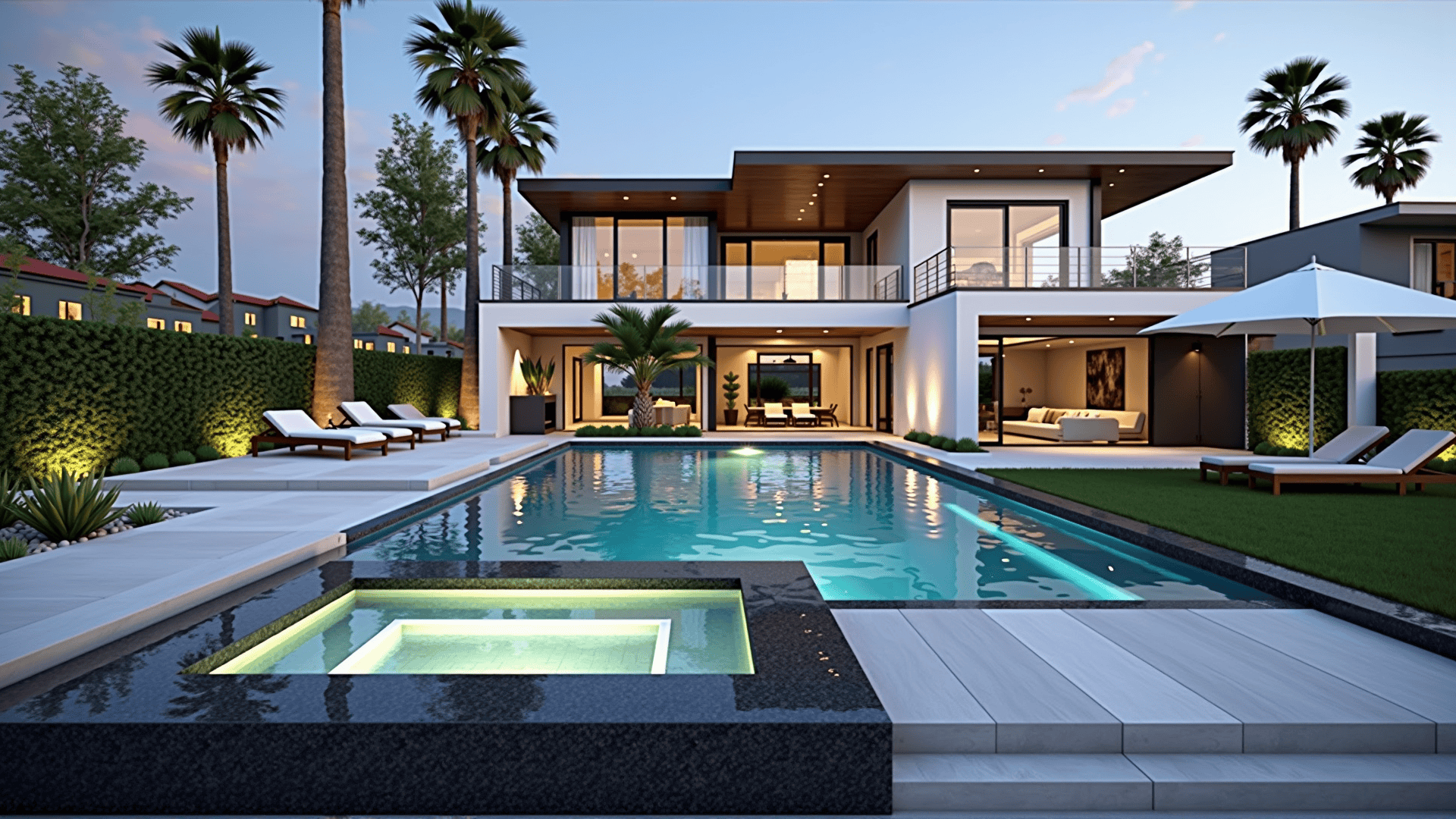
One of my favorite transformation stories involves a client who wanted their pool deck to mimic high-end slate tiles. Using stamped concrete, we delivered the look they wanted at about half the cost of natural stone. Modern stamping techniques can replicate virtually any texture – from rustic brick to exotic stone patterns.
- Cost Range: $8-$15 per square foot
- Durability: 15-20 years with proper maintenance
Natural Stone Applications: The Premium Option
While it's the pricier choice, nothing quite matches the elegance of natural stone. I often recommend travertine for clients seeking that luxury resort feel. It stays cooler under the sun (your bare feet will thank you), and its natural slip resistance makes it particularly family-friendly.
- Cost Range: $15-$30 per square foot
- Durability: 20+ years
Pavers and Tiles: The Flexible Solution
Here's a little industry secret: pavers offer one of the best combinations of aesthetics and practicality. If a section gets damaged, you can replace individual pieces rather than resurfacing the entire deck. Plus, they allow for creative patterns that can make your pool area truly unique.
- Cost Range: $10-$20 per square foot
- Durability: 15-25 years
Cool Deck Coatings: The Comfort King
For my clients in warmer climates, I often recommend cool deck coatings. These specialized finishes can reduce surface temperatures by up to 38%. It's like giving your deck its own built-in air conditioning system!
- Cost Range: $3-$7 per square foot
- Durability: 5-7 years
Amazing Pool Installer Los Angeles Projects: Whatever option you choose, the key to longevity lies in proper preparation and installation. I've seen beautiful materials fail prematurely due to poor installation, and basic materials last decades because they were installed correctly.
Remember, the best resurfacing option isn't always the most expensive one. It's the one that best matches your lifestyle, maintenance preferences, and local climate conditions. Consider factors like foot traffic, pool chemistry, and local weather patterns when making your decision.
Essential Safety Features to Consider
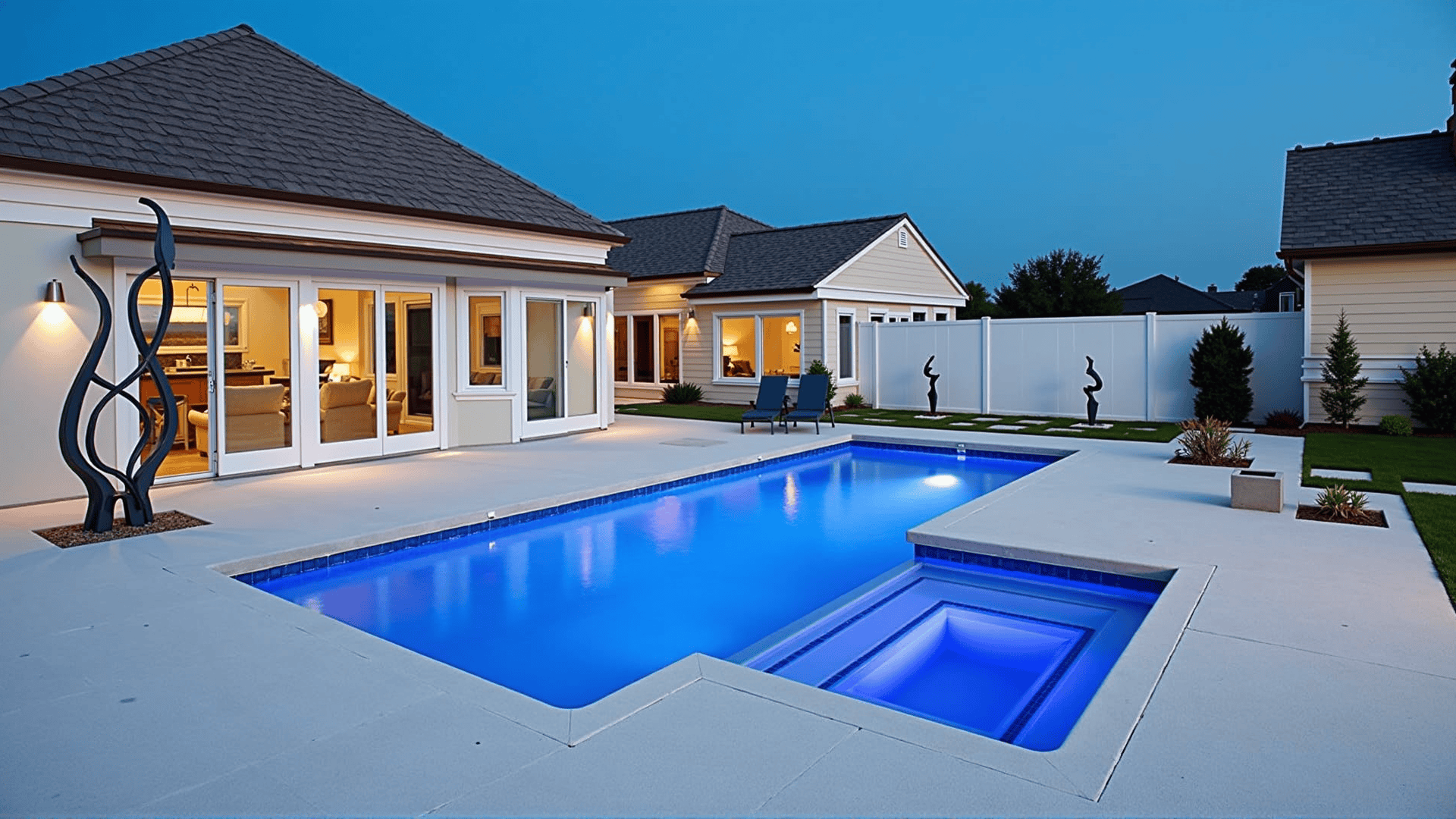
In my years of building custom pools, I've learned that the most beautiful pool deck isn't worth much if it isn't safe. Think of safety features as your pool deck's insurance policy – they might not be the most exciting part of your renovation, but they're absolutely crucial.
Non-Slip Surface Treatments: Your First Line of Defense
You know that heart-stopping moment when you see someone slip near the pool? I've made it my mission to prevent those moments. Modern non-slip treatments have come a long way from the rough, uncomfortable surfaces of the past. Today, we can create texture that's effective yet gentle on bare feet.
Best Practice: Look for surfaces with a coefficient of friction of 0.6 or higher - that's technical speak for "safe when wet."
Smart Drainage Solutions
Poor drainage isn't just about puddles – it's a safety hazard waiting to happen. I once worked on a renovation where improper drainage had quietly undermined the deck's foundation. Now, I insist on implementing multiple drainage points with proper slopes (minimum 1/4 inch per foot). Think of it as creating miniature rivers that guide water exactly where you want it to go.
Lighting: Your Nighttime Guardian
I can't stress this enough: proper lighting isn't just about ambiance. Here's what I recommend:
- LED step lights every 4-6 feet along walking paths
- Color-changing options that can switch to bright white for safety
- Motion-sensor lights for unexpected nighttime visits
- Underwater lighting for pool visibility
Safety Railings and Barriers
Here's a sobering thought: most pool accidents happen when the pool isn't even being used. That's why I'm adamant about proper barriers. Modern pool railings can be both elegant and effective – think sleek glass panels or architectural metal designs that complement your landscape while providing crucial protection.
Child Safety Considerations

As a father and grandfather myself, this one's personal. Every pool deck I design includes:
- Self-closing, self-latching gates
- Non-climbable sections near barriers
- Clear sight lines for supervision
- Textured surfaces in high-traffic areas
Pro Tip: Consider creating designated "safe zones" with slightly more aggressive non-slip treatments in areas where kids are likely to run (despite our best efforts to enforce the "no running" rule).
The Smart Integration Approach
Modern pool decks can incorporate smart technology for enhanced safety:
- Automated lighting systems
- Motion sensors for unauthorized access
- Smart locks for gates
- Water level monitors
Remember, safety features don't have to compromise your pool deck's aesthetic appeal. In fact, when thoughtfully integrated, they enhance both the functionality and value of your outdoor space. The key is finding the right balance between safety and style – something we've perfected over thousands of installations.
Design Elements That Transform Your Space
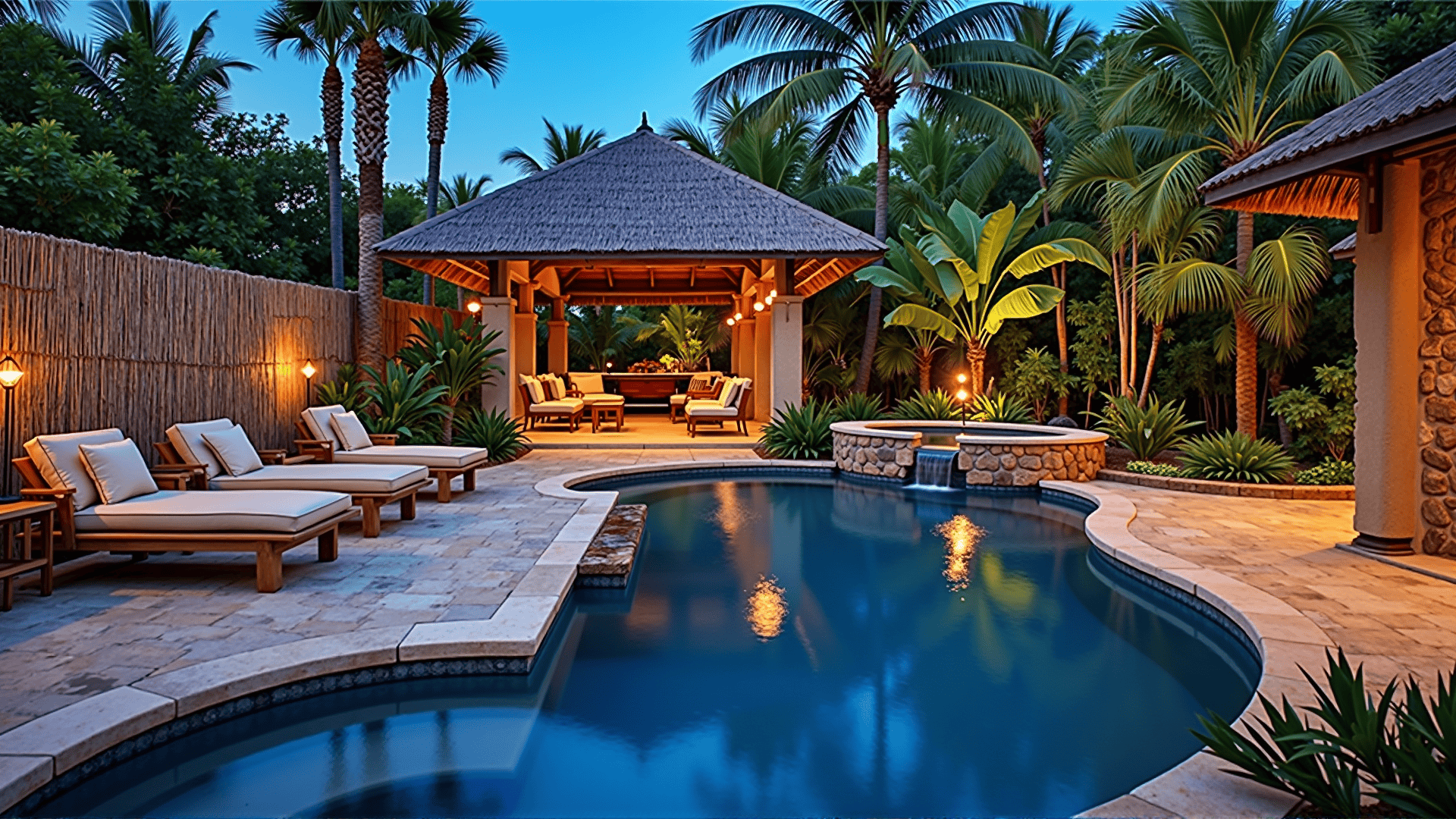
After designing thousands of pool decks over nearly five decades, I've learned that the difference between a good pool deck and a great one often lies in the details. Let me share some insider knowledge about the design elements that truly transform an ordinary pool deck into an extraordinary outdoor living space.
Color Schemes and Patterns: The Visual Foundation
Think of your pool deck's color scheme as the canvas for your outdoor masterpiece. I recently worked with a client who was hesitant about moving beyond traditional beige. We ended up incorporating subtle earth tones in a flowing pattern that mimicked natural stone – now their deck is the talk of the neighborhood.
Designer's Tip: Consider using darker colors around the pool's edge to mask water marks, with lighter tones in lounging areas to reflect heat.
Texture: The Tactile Experience
Texture isn't just about safety – it's about creating visual interest and defining spaces. I like to think of it as choreographing a dance:
- Smoother finishes for primary walking paths
- More textured surfaces for pool entry points
- Decorative patterns for lounging areas
- Contrasting borders to define spaces
Integrated Water Features: The Wow Factor
Nothing elevates a pool deck quite like thoughtfully integrated water features. I remember installing a series of deck jets along a pool's edge – the client's grandchildren called it their "mini Bellagio." Modern options include:
- Built-in deck sprayers
- Cascade waterfalls
- Illuminated water sconces
- Channel drains that double as water features
Built-in Seating and Planters: Form Meets Function
Here's a trick I learned early in my career: built-in features make any space feel more luxurious and intentional. Consider:
- Curved seating walls that follow the pool's contours
- Raised planters that double as privacy screens
- Multi-level seating areas for different viewing angles
- Hidden storage compartments within seating elements
Shade Structures: The Crown Jewel
Your pool deck isn't complete without considering shade. Modern pergolas and shade structures are like jewelry for your outdoor space – they're both functional and decorative. I've seen how a well-designed shade structure can transform a pool deck from a daytime-only space into an all-day outdoor living room.
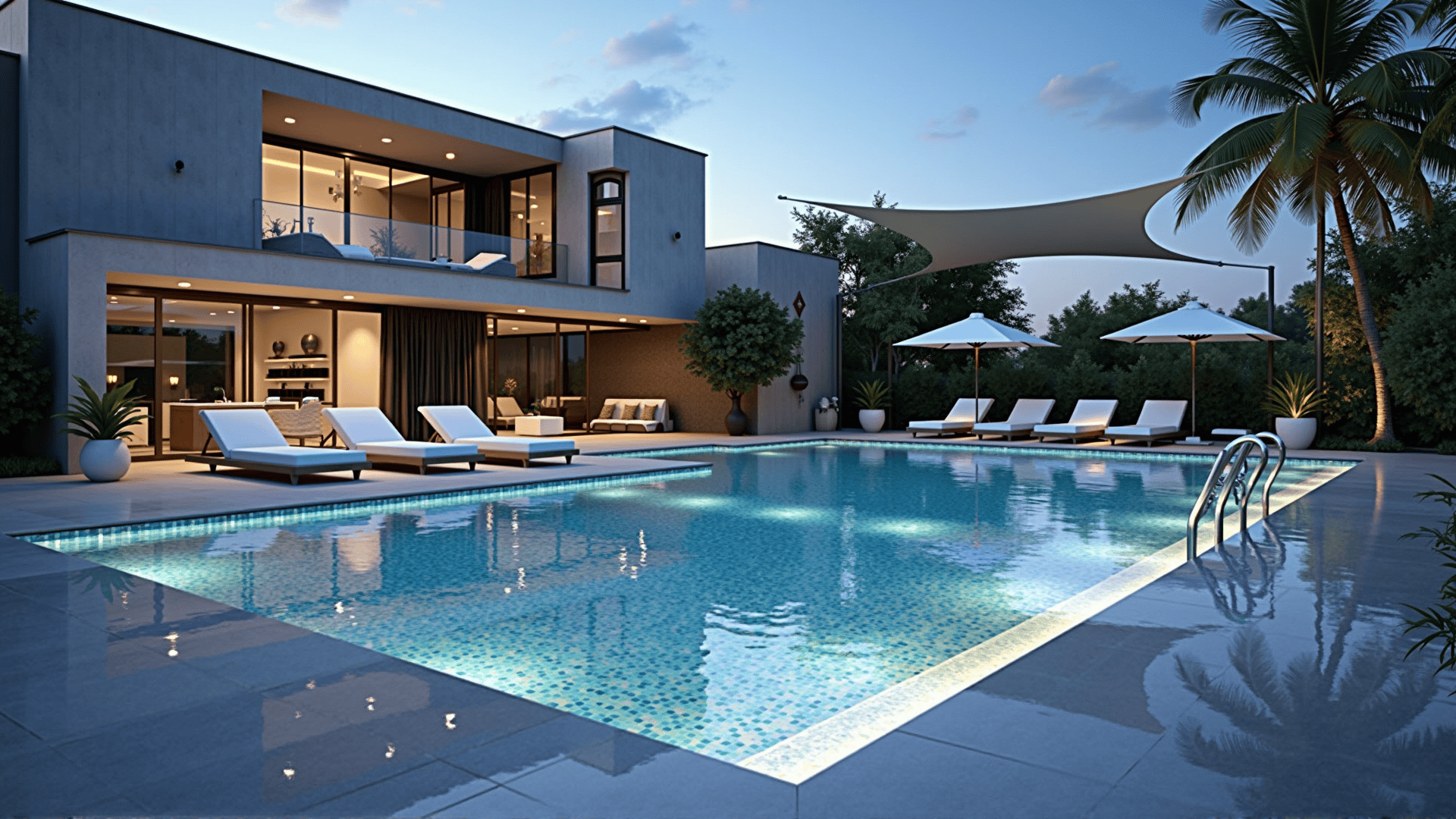
Pro Tip: Consider motorized shade solutions that can adjust throughout the day. They're like having a remote control for the sun! The key to successful pool deck design is creating
a space that flows naturally while serving multiple purposes. Each element should complement the others while adding its own unique value to the overall design. Remember, you're not just building a pool deck – you're creating an outdoor lifestyle that your family will enjoy for years to come.
Material Selection Guide

After installing countless pool decks over my career, I've learned that choosing the right material is like picking a life partner for your pool – it needs to look good, be reliable, and stand the test of time. Let me walk you through what really matters when selecting materials for your pool deck.
Weather Resistance: The Climate Factor
Living in various regions has taught me that what works in Arizona won't necessarily work in Maine. Your material needs to be a climate warrior:
Hot Climates:
- Travertine (stays surprisingly cool)
- Light-colored concrete with cooling additives
- Textured limestone
Cold Climates:
- Dense concrete with air-entrainment
- Granite (excellent freeze-thaw resistance)
- High-grade pavers with proper sealing
Durability: The Long Game
Here's a real story: Last month, I revisited a pool deck I installed 20 years ago. The family chose premium materials, and despite two decades of pool parties and weather exposure, it still looks fantastic. Quality materials aren't just about lasting – they're about aging gracefully.
Durability Rankings (based on decades of observation):
- Natural stone (25+ years)
- High-grade pavers (20+ years)
- Quality stamped concrete (15-20 years)
- Standard concrete (10-15 years)
Maintenance Requirements: The Reality Check
Let me be straight with you – every material requires some maintenance, but some are needier than others. Think of it like owning a car: some are low-maintenance economy models, others are high-maintenance luxury vehicles.
Low Maintenance:
- Textured concrete with sealed finish
- Through-body porcelain tiles
- Quality pavers with polymeric sand
Higher Maintenance:
- Natural stone (periodic sealing)
- Decorative concrete (regular resealing)
- Wood or composite decking
Cost-Effectiveness: The Value Proposition
I always tell my clients: "The most expensive material isn't always the best, and the cheapest often costs more in the long run." Here's my value-based recommendation:
Best Overall Value:
- High-quality stamped concrete (beauty and longevity)
- Premium pavers (versatility and repairability)
- Textured concrete overlay (cost-effective transformation)

Pro Tip: Factor in installation costs – some cheaper materials require more complex installation, evening out the total cost.
Remember, your pool deck material isn't just about what looks good today – it's about what will still look good and perform well years from now. Choose materials that match your lifestyle, maintenance preference, and local climate conditions. And remember, sometimes spending a bit more upfront can save you significantly in the long run.
The Renovation Process
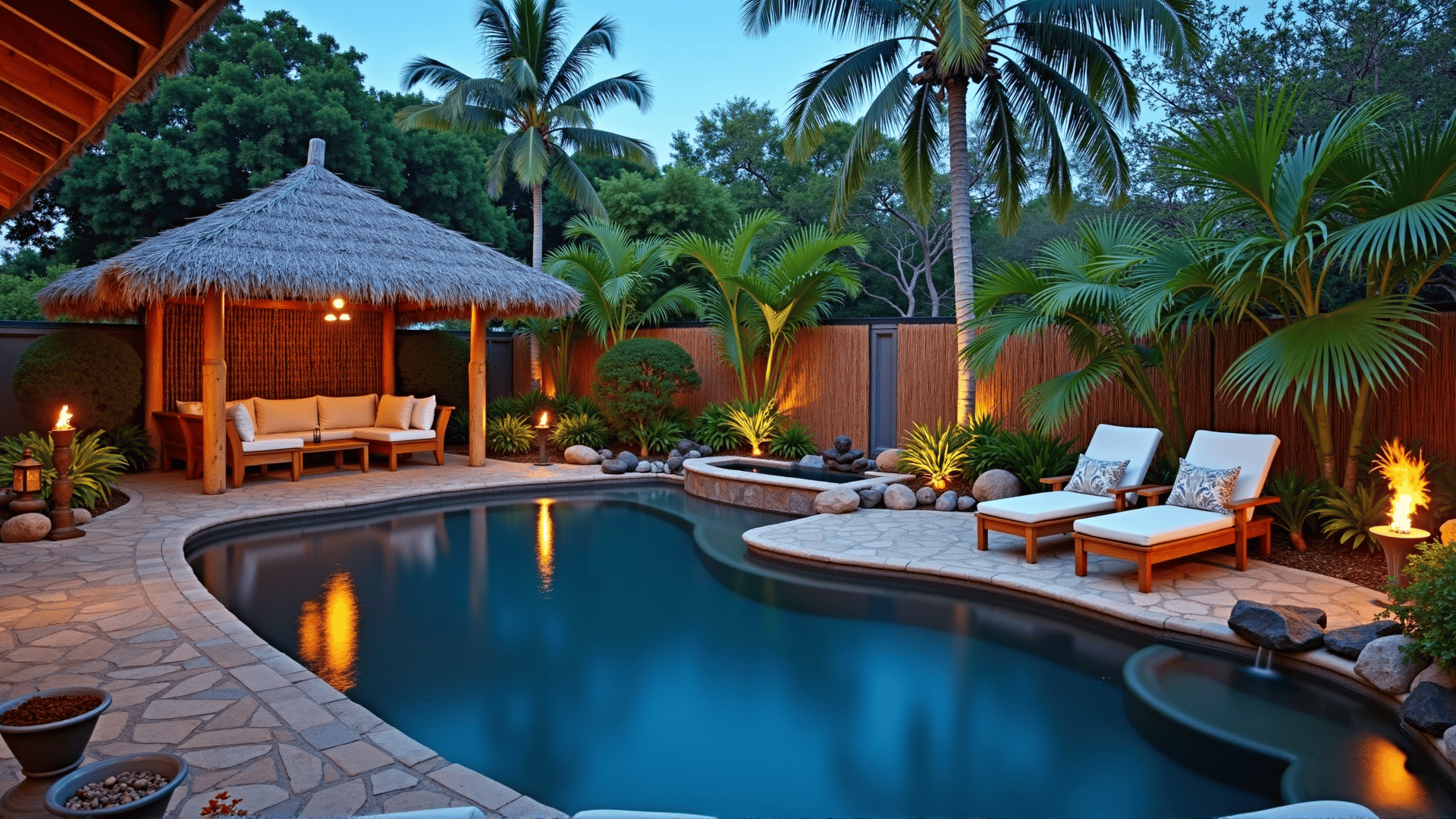
Having overseen thousands of pool deck renovations over the past 48 years, I can tell you that success lies in the details. Let me walk you through what really happens during a pool deck renovation – think of it as your backstage pass to the transformation show.
Initial Inspection and Planning
First things first – we need to play detective. Just last month, I met with a family who thought they needed a complete deck replacement. After a thorough inspection, we discovered only the surface was compromised. This saved them thousands! Here's what we look for:
- Structural integrity
- Drainage patterns
- Previous repair attempts
- Underlying soil conditions
Pro Tip: Always get a professional inspection before deciding on your renovation approach. What looks like a simple crack might tell a bigger story.
Surface Preparation: The Foundation of Success
This is where the magic begins – or as I like to tell my clients, "This is where we separate the professionals from the DIYers." Surface prep is like preparing a canvas for a masterpiece:
- Remove damaged materials
- Clean and etch the surface
- Repair cracks and level uneven areas
- Apply proper primers and bonding agents
Installation: The Main Event
Think of installation like conducting an orchestra – every element needs to be perfectly timed and executed. Whether we're applying a concrete overlay or laying pavers, precision is crucial. During this phase, we:
- Monitor weather conditions (temperature and humidity matter!)
- Apply materials in proper sequences
- Maintain consistent texture and color
- Create proper slopes for drainage
Curing and Sealing: The Patience Phase
Here's where I often have to play the role of patience coach. Everyone wants to jump right in and enjoy their new deck, but proper curing is critical. I always say, "Give it time o mature – like a fine wine!"
Typical Timeline:
- Initial set: 24-48 hours
- Light foot traffic: 3-4 days
- Full cure: 7-14 days
- Sealer application: After complete cure
Time Expectations
The question I get most often is "How long will this take?" Here's a realistic timeline:
- Small repairs: 2-3 days
- Complete resurfacing: 4-7 days
- Major renovations: 1-2 weeks
- Full deck replacement: 2-3 weeks
Remember, a pool deck renovation is like a well-choreographed dance – each step builds on the last, and rushing any part can compromise the entire project. When done right, your renovated deck will serve your family beautifully for years to come.
Budgeting Your Pool Deck Project

After years in the pool industry, I've learned that successful pool deck projects start with smart budgeting. Let me share some insider knowledge about costs that most Luxury Swimming Pool Contractors Los Angeles won't tell you upfront – consider this your financial blueprint for pool deck success.
Core Cost Factors
Think of your pool deck budget like an iceberg – there's what you see on the surface, and then there's everything else below. Here's what really impacts your bottom line:
Base Costs (per square foot):
- Simple concrete overlay: $3-10
- Stamped concrete: $8-15
- Pavers: $10-20
- Natural stone: $15-30
Pro Tip: Always add 15-20% to your initial budget for unexpected issues. Trust me, in my decades of experience, this buffer has saved many projects from budget stress.
Material Price Ranges
Here's something I tell all my clients: material costs are like buying a car – there's economy, luxury, and everything in between. But unlike a car, you can't trade in your pool deck if you're unhappy with it.
Investment Levels:
- Entry-Level: $3,000-5,000 (basic resurfacing)
- Mid-Range: $5,000-12,000 (quality materials, some features)
- Premium: $12,000-25,000+ (high-end materials, custom features)
Labor Costs: The Hidden Factor
Labor typically accounts for 40-60% of your total budget. Why? Because proper installation is as crucial as the materials themselves. I once had a client who chose premium materials but went with a budget installer – they ended up paying twice to have it done right.
Additional Feature Expenses
These "extras" can make or break your budget:
- Built-in lighting: $500-2,000
- Drainage systems: $1,000-3,000
- Custom water features: $2,000-5,000+
- Shade structures: $3,000-10,000
Long-term Value Analysis
Here's something I've learned over the years: sometimes spending more upfront actually saves money in the long run. For example, investing in quality sealing and proper drainage might add $1,000 to your initial cost but can save $5,000 in repairs over the next decade.
Value-Adding Features:
- Professional drainage solutions
- High-grade sealers
- Quality expansion joints
- Professional-grade lighting
Remember, budgeting for a pool deck isn't just about finding the lowest price – it's about finding the best value for your investment. Focus on quality where it matters most (structural elements and safety features), and you can save on purely aesthetic elements if needed.
Designer's Secret: Want to maximize your budget? Phase your project. Start with essential elements and add luxury features over time. This approach has helped many of my clients achieve their dream pool deck without breaking the bank.
Maintaining Your New Pool Deck
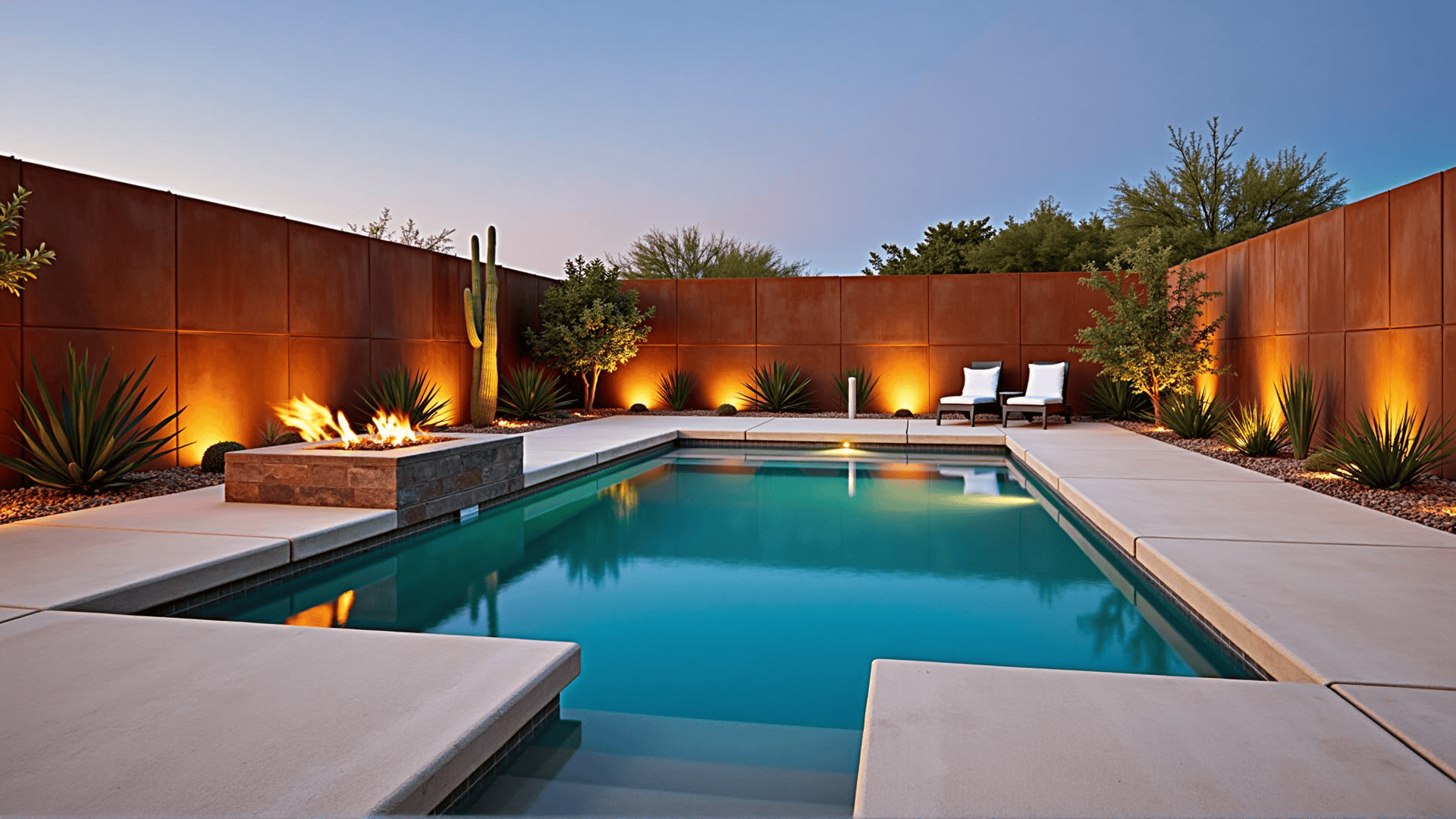
After years of building and maintaining pool decks, I like to tell my clients that a pool deck is like a luxury car – regular maintenance keeps it running smoothly and looking beautiful. Let me share some insider tips that have helped my clients keep their pool decks looking showroom-new for years.
Regular Maintenance Essentials
Think of these as your pool deck's vital signs:
- Weekly: Quick rinse to remove debris
- Monthly: Thorough cleaning with appropriate cleaners
- Quarterly: Detailed inspection for potential issues
- Annually: Professional assessment and deep clean
Pro Tip: Keep a maintenance log. It sounds nerdy (and my clients often laugh when I suggest it), but it's saved countless decks from premature aging.
Cleaning Procedures: The Right Way
Here's a common mistake I see: using harsh chemicals that promise quick results. Instead, follow this tested routine:
- Sweep debris (use soft bristles)
- Pre-treat stains (use pH-neutral cleaners)
- Clean with appropriate solutions
- Rinse thoroughly (standing water is your enemy)
Expert's Secret: A solution of mild dish soap and warm water works better than most expensive cleaners I've tested over the years.
Seasonal Care Tips
Your pool deck needs different care as seasons change:
Spring:
- Deep clean after winter
- Check for freeze-thaw damage
- Reseal if needed
Summer:
- Regular rinsing to prevent chemical buildup
- Monitor for heat-related expansion
- Clean spills immediately
Fall:
- Remove fallen leaves promptly
- Clean thoroughly before winter
- Check drainage systems
Winter:
- Use proper ice-melt products
- Remove snow with plastic shovels
- Keep surface as dry as possible
Preventive Measures
An ounce of prevention is worth a pound of cure – nowhere is this truer than with pool decks. Here's your prevention checklist:
- Use furniture pads
- Maintain proper pool chemistry
- Address stains immediately
- Keep trees trimmed to prevent debris
- Monitor drainage systems
Professional Maintenance Services
Sometimes, calling in the pros is the smartest move. Consider professional service when:
- Resealing is needed (every 2-3 years)
- Deep cleaning required
- Repairs needed
- Annual inspections
Remember, maintaining your pool deck isn't just about preserving its beauty – it's about protecting your investment. A well-maintained deck can last decades, while a neglected one might need replacement in just a few years. Think of it as preventive medicine for your outdoor space.
Making the Right Choice
After sharing decades of pool deck expertise with you, it's clear that renovating your pool deck is a significant investment in your home's value and your family's enjoyment. While this guide provides comprehensive insights, every pool deck project is unique and deserves personalized attention.
With years of experience transforming backyard pools, we understand that you're not just looking for a contractor – you're seeking a partner who can turn your vision into reality. Our proven track record of successful installations, commitment to quality materials, and deep understanding of safety standards sets us apart in the industry.
What makes us different? We approach each project with the same care and attention we'd give our own homes. From material selection to final inspection, our team brings unmatched expertise and dedication to every detail of your pool deck renovation.
Ready to transform your pool deck? Let's discuss your vision and create a space that your family will enjoy for years to come. Our experienced team is ready to help you make the right choice for your specific needs and budget.
Contact us today at (310) 261-2440 or visit our contact page to schedule your free consultation. Let's create your perfect outdoor oasis together.