Modern Therapy Pools: Advanced Features for Home Rehabilitation
Understanding Therapy Pools

After 48 years of building custom pools, I've seen a remarkable shift in how homeowners view their backyard investments. While luxury pools remain popular, I'm increasingly meeting professionals like you who are looking for something more purposeful – a modern therapy pool that combines wellness with luxury.
What Sets Therapy Pools Apart
Think of a therapy pool as the Swiss Army knife of pools – it's versatile, purposeful, and precisely engineered. Unlike standard pools that typically hover around 78-82°F, therapy pools maintain a consistent temperature between 86-94°F. This warmer environment isn't just about comfort; it's scientifically proven to help relax muscles and increase blood flow.
I recently completed a therapy pool for a surgeon who needed rehabilitation after shoulder surgery. She described the difference between her old pool and her new therapy pool as "the difference between trying to exercise in jeans versus athletic wear" – everything just moves more efficiently.
The Hidden Benefits
What many of my clients discover is that therapy pools offer benefits beyond rehabilitation. The controlled environment allows for:
- Low-Impact Exercise: Perfect for maintaining fitness while protecting joints
- Stress Relief: The warm water naturally reduces tension
- Year-Round Usage: Unlike traditional pools, therapy pools are designed for all-season use
- Family Wellness: From arthritis management for grandparents to sports recovery for teenage athletes
Temperature: The Game Changer
Here's something most pool contractors won't tell you: temperature control is the heart of a therapy pool. Last year, I worked with a client – a physical therapist who wanted precise temperature zones for different therapy needs. We installed a dual-temperature system that maintains different temperatures in separate areas of the pool. It's this kind of customization that sets therapy pools apart.
Making the Right Choice
The most successful therapy pool projects I've overseen start with a clear understanding of intended use. Are you looking for post-surgery rehabilitation? Athletic training? Chronic pain management? Each purpose might suggest different design elements.
Remember, as an investment in your health and property value, a therapy pool needs to be thoughtfully planned. During my initial consultations, I always ask clients to envision their typical week and how they plan to integrate the pool into their wellness routine.
In my experience, homeowners who approach therapy pool construction with a clear purpose end up with a feature that transforms not just their backyard, but their quality of life. It's not just about building a pool; it's about creating a personal wellness center that you can step into anytime.
Essential Design Features

In my nearly five decades of building therapy pools, I've learned that the magic lies in the details. Let me walk you through the critical design features that transform a standard pool into a therapeutic sanctuary.
Optimal Depth: More Than Just Numbers
The sweet spot for therapy pools is between 3.5 to 5 feet. Why? It's simple physics combined with human anatomy. At this depth, you achieve optimal buoyancy for exercises while maintaining safe footing. I remember a client – a marathon runner recovering from knee surgery – who initially wanted a deeper pool. After experiencing the perfect chest-high water level for resistance training, she understood why we insist on these specifications.
Entry and Exit Solutions
Think of your therapy pool entrance as your home's front door – it needs to be welcoming and accessible. We typically incorporate:
- Zero-entry gradual slopes: Perfect for wheelchair access
- Wide-step entries: With non-slip surfaces and strategic handrails
- Hydraulic lifts: For those needing extra assistance
- Movable floors: Our premium option, allowing depth adjustment
Safety Features That Don’t Compromise Style
One of my favorite projects involved designing a therapy pool for a physical therapist who wanted safety features that didn't scream "medical facility." We integrated non-slip surfaces using designer tiles with high grip ratings and installed LED-illuminated handrails that doubled as architectural features.
Size Considerations
The size of your therapy pool depends on its primary use. For individual therapy, a compact 11' x 18' pool often suffices. For family use combining therapy with recreation, I recommend at least 15' x 30'. Remember my golden rule: it's better to wish your pool was a bit smaller than wish it was bigger.
Professional Insight
Here's something most people don't consider: future adaptability. I always design therapy pools with modular features that can be modified as needs change. Recently, I worked with a couple who initially wanted basic therapy features. We designed their pool with pre-installed anchors for future equipment additions – which they ended up using two years later for advanced hydrotherapy options.

When planning your therapy pool, think of it as a long-term health investment. The right design features not only serve your current needs but anticipate future ones. In my experience, clients who carefully consider these essential elements end up with a therapy pool that exceeds their expectations in both function and form.
Advanced Therapeutic Elements
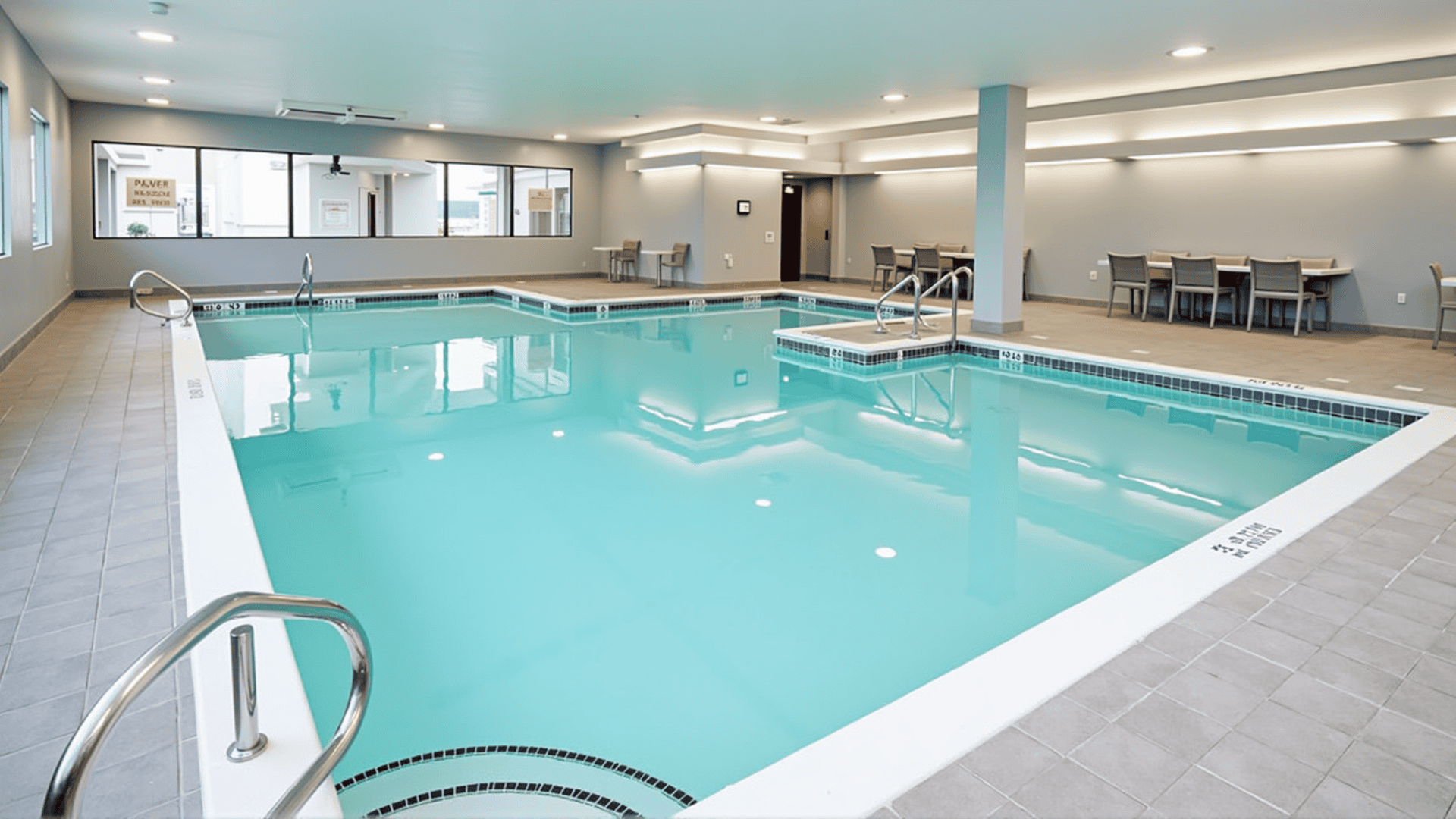
As someone who's designed therapy pools for professional athletes and rehabilitation centers, I can tell you that advanced therapeutic features are what transform a warm pool into a powerful recovery tool. Let me share what I've learned about the most impactful elements.
Strategic Jet Placement
Think of hydrotherapy jets as your personal massage therapist. We typically install 20-30 jets, each precisely positioned for specific therapeutic purposes:
- Lower back jets: Positioned at 24" and 36" heights
- Shoulder jets: Angled for optimal muscle relief
- Leg therapy jets: Arranged in a vertical pattern for comprehensive coverage
Recently, I designed a pool for a tennis pro recovering from rotator cuff surgery. We created a dedicated shoulder therapy station with adjustable-pressure jets that her physical therapist could control via a waterproof remote.
Resistance Systems
Modern resistance systems are like having an underwater gym. I always recommend installing:
- Variable-speed swim jets: Adjustable current for different exercise intensities
- Cross-current systems: For balance training
- Air injection systems: Creating therapeutic bubble massage zones
Support Features
Safety meets functionality with:
Smart handrails: LED-illuminated, heated rails that prevent slipping
Exercise platforms: Adjustable-height platforms for varied water depths
Underwater cameras: For gait analysis and exercise monitoring
Here's an insider tip: while these features might seem extensive, they're modular. You can start with essential elements and add more as needed. I always tell my clients it's better to have the infrastructure in place even if you don't install every feature immediately.
Remember, the goal is to create a personalized therapy environment. Just last month, I worked with a family where both parents were active runners, and we designed their pool with dual exercise stations – one for high-intensity training and another for recovery work. The result? A therapy pool that served multiple purposes while maintaining its therapeutic integrity.
Temperature Control Systems
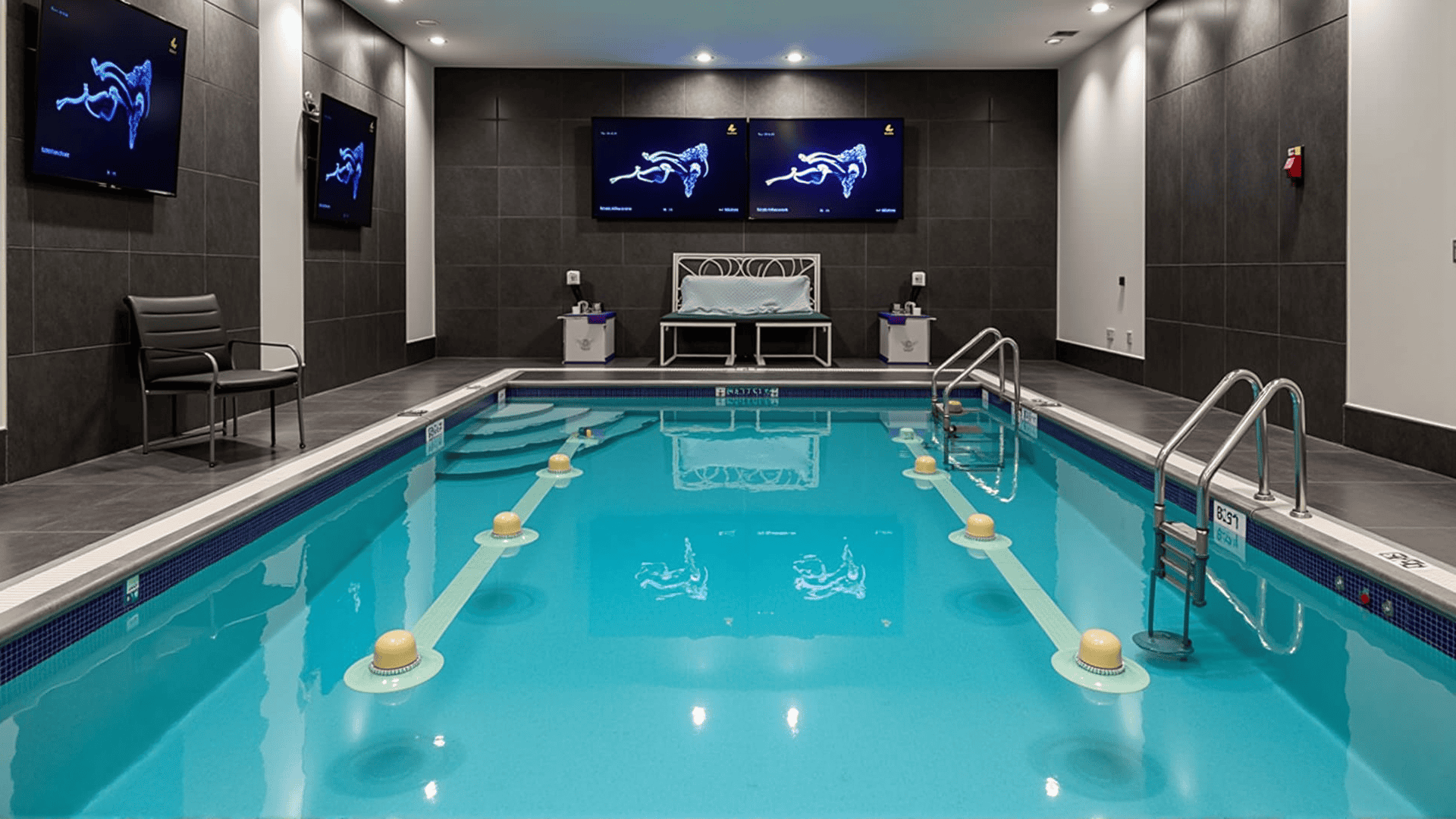
After decades in the therapy pool business, I can tell you that temperature control is the heart and soul of these installations. It's like conducting an orchestra – every component needs to work in perfect harmony.
Heating Systems: The Foundation
Modern therapy pools require sophisticated heating systems that maintain precise temperatures between 86-94°F. I typically recommend:
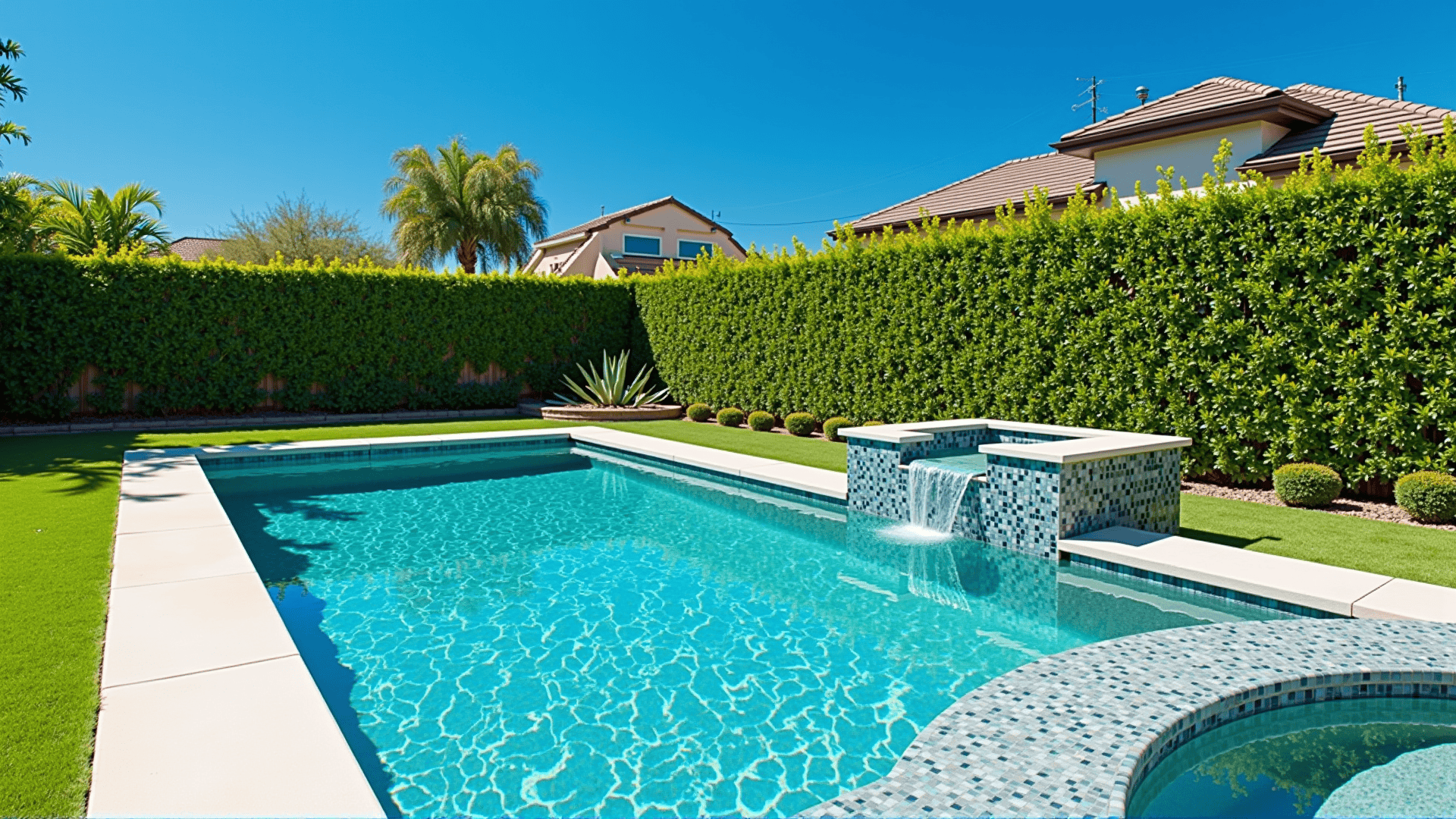
Dual-heater systems: Primary and backup for uninterrupted operation
Smart temperature controls: Programmable for different therapy sessions
Zone heating: For pools with multiple therapeutic areas
Year-Round Operation
Here's something I learned from building therapy pools in various climates: insulation is crucial. We use:
- Full-foam insulation: Surrounding all plumbing
- Thermal covers: Automated for convenience
- Heat retention systems: Reducing energy loss by up to 70%
Energy Efficiency Solutions
Having built hundreds of therapy pools, I've developed a system that significantly reduces operating costs:
Variable-speed pumps: Adjusting power based on usage
Solar integration: Supplementing traditional heating
Smart scheduling: Optimizing temperature patterns
Temperature Maintenance Tips
The most successful installations I've overseen include:
Remote monitoring: Control via smartphone
Automated chemical balance: Maintaining optimal conditions
Rapid heating capability: For quick temperature
adjustments I recently completed a project for a physical therapist who needed different temperature zones for various treatments. We installed a sophisticated control system that maintains three distinct temperature areas – it's like having multiple therapy pools in one.
Remember, proper temperature control isn't just about comfort; it's about creating the optimal therapeutic environment. When designed correctly, these systems can reduce your energy costs while ensuring your therapy pool is always ready for use, regardless of the season or time of day.
Water Quality & Maintenance
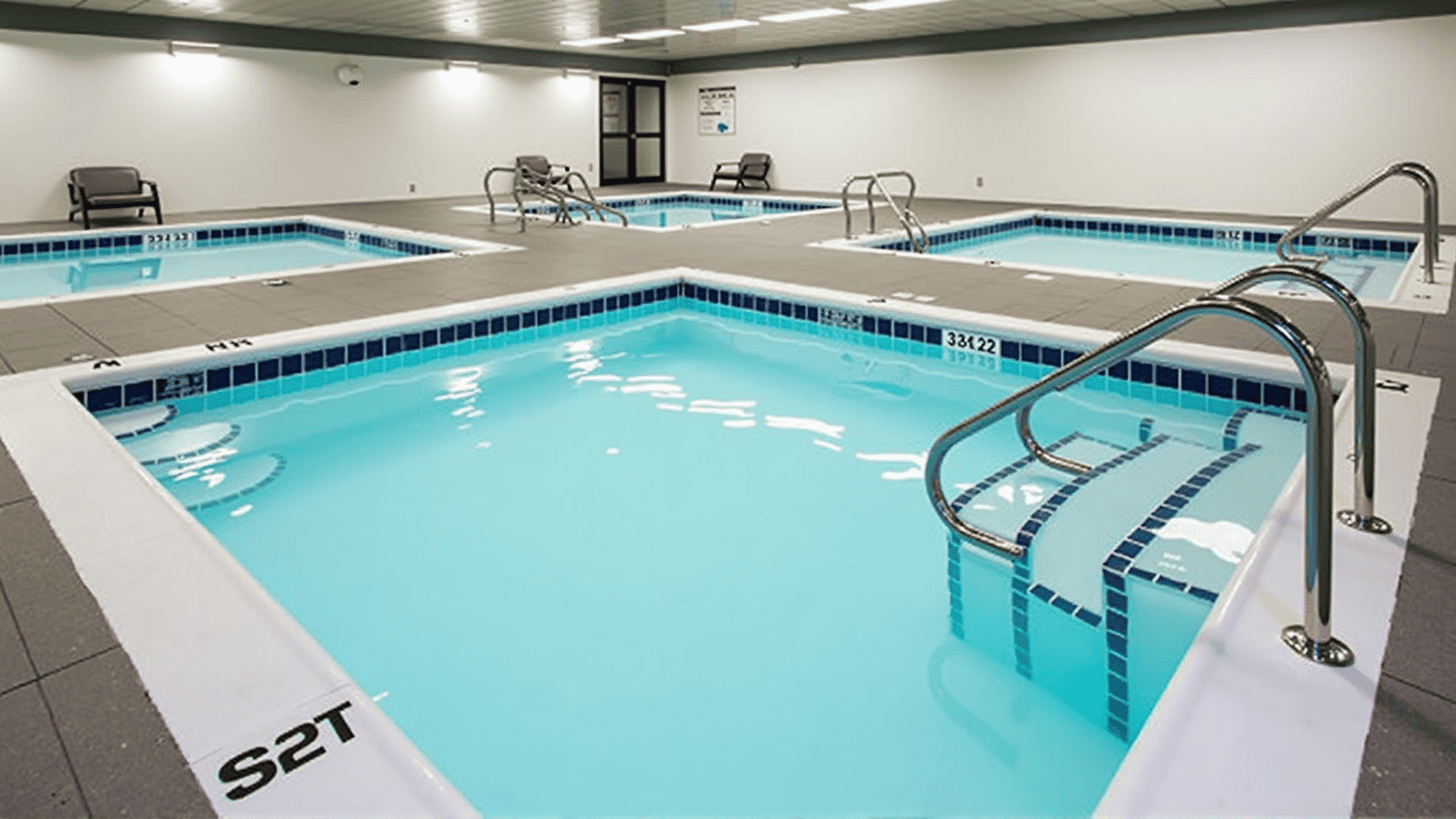

Let me share the Top-Rated Los Angeles Pool Contractors to maintaining crystal-clear water in your therapy pool – something I've mastered over 48 years of installations. Unlike standard pools, therapy pools require medical-grade cleanliness due to their warmer temperatures and therapeutic use.
Advanced Filtration Systems
Modern therapy pools demand sophisticated filtration:
Dual-filter systems: Capturing both large and microscopic particles
UV sanitization: Eliminating 99.9% of harmful microorganisms
Ozone treatment: Reducing chemical dependency
Chemical Balance Essentials
The warmer water in therapy pools requires precise chemical management:
Automated pH control: Maintaining optimal 7.2-7.6 range
Smart chlorine dispensing: Adjusted for therapeutic use
Mineral purification: Supplementing traditional sanitizers
Maintenance Schedule
Here's my proven maintenance routine:
- Daily: Automated chemical checks and adjustments
- Weekly: Filter inspection and cleaning
- Monthly: Comprehensive system check
- Quarterly: Professional deep cleaning
Smart Monitoring
I recently installed a therapy pool for a busy executive who wanted minimal maintenance hassle. We implemented:
- Remote monitoring: Real-time water quality data
- Automated alerts: Notification of any parameter changes
- Self-adjusting systems: Automatic chemical balancing
Pro tip: Install a commercial-grade sanitization system upfront. It's like having a full-time pool maintenance staff working 24/7. One of my clients, a physician, calculated that this investment saved her 2-3 hours of weekly maintenance time.
Remember, proper water quality isn't just about clarity – it's about creating a safe, therapeutic environment. With the right systems in place, maintenance becomes a minimal time investment for maximum health benefits.
Indoor vs. Outdoor Considerations
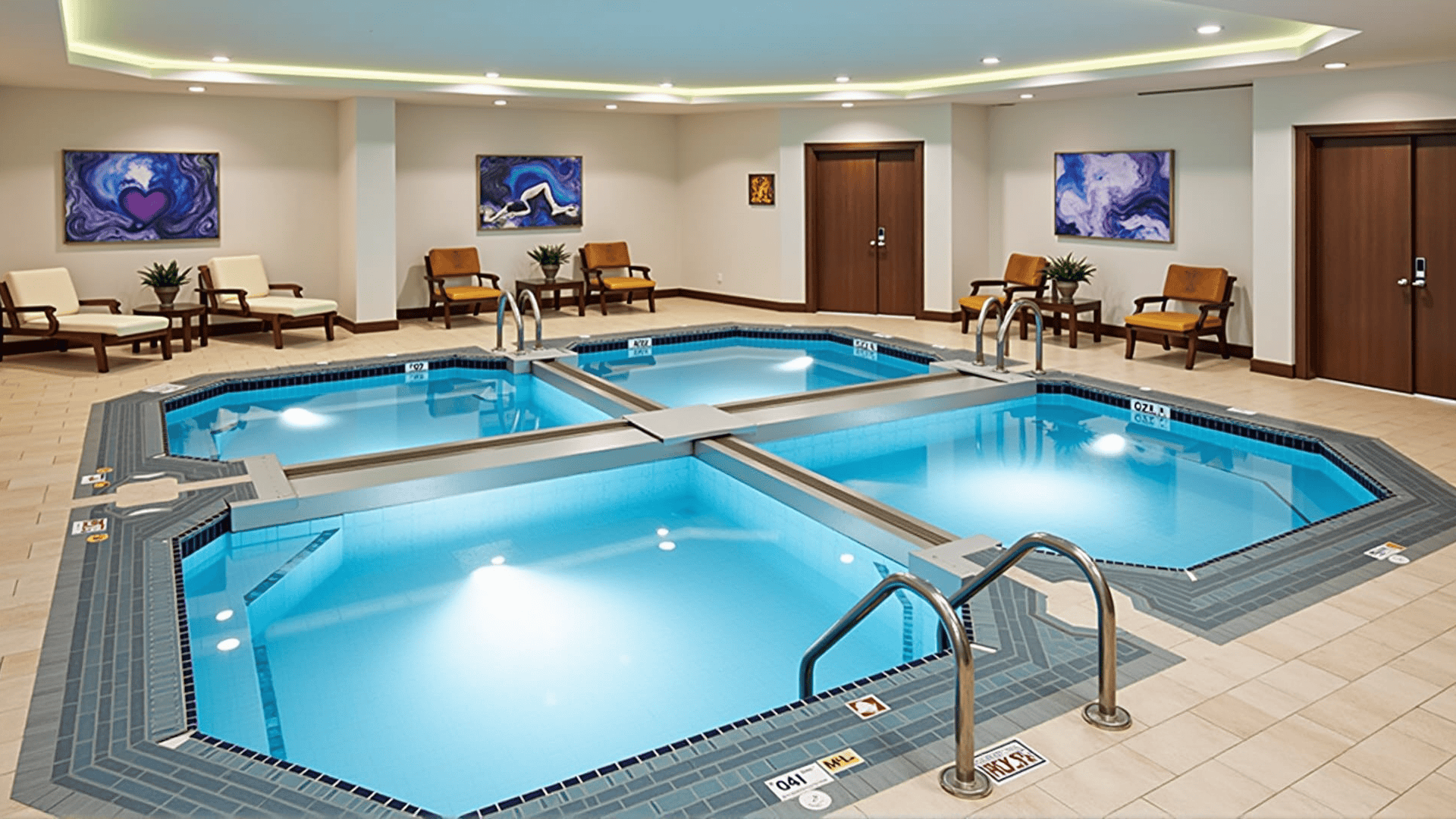
After installing hundreds of therapy pools both indoors and outdoors, I've learned that location can make or break your therapeutic experience. Let me share some real-world insights that could save you from costly mistakes
Indoor Installation Benefits

Having designed numerous indoor therapy pools, I've found these advantages:
- Year-round comfort: No weather concerns
- Controlled environment: Ideal for rehabilitation
- Enhanced privacy: Perfect for therapy sessions
However, ventilation is crucial. I recently installed a pool for a client who initially skipped proper ventilation – within weeks, they had humidity issues affecting their walls. We solved it with:
- Dehumidification systems: Commercial-grade units
- Air exchange systems: Fresh air circulation
- Moisture barriers: Protecting surrounding structure
Outdoor Installation Advantages
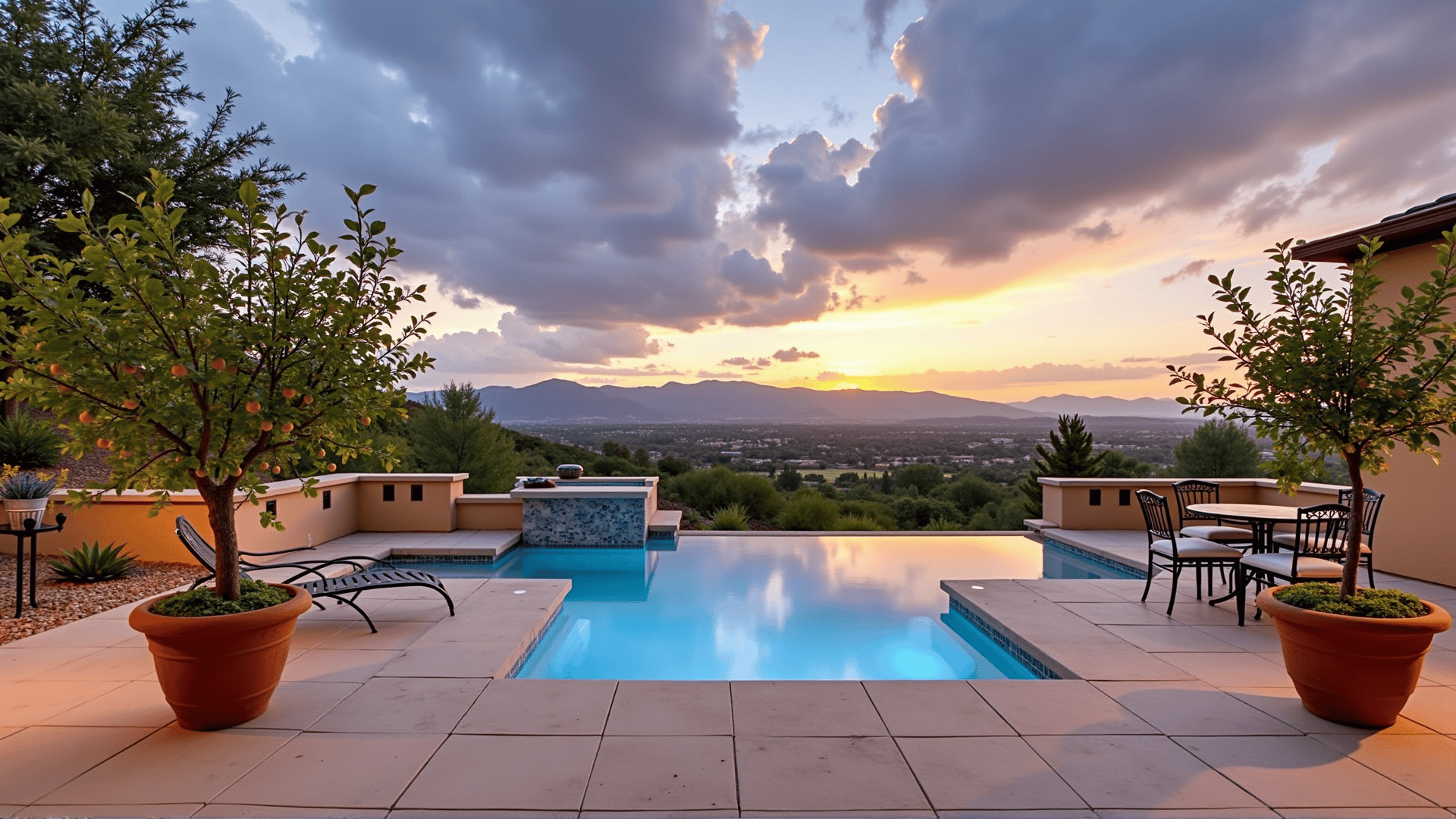
Outdoor installations offer their own benefits:
- Natural light: Beneficial for mental wellness
- Cost-effective: No building modifications needed
- Easier installation: Less structural consideration
Climate Control Solutions
For outdoor therapy pools, I recommend:
- Automated covers: Maintaining temperature
- Wind barriers: Reducing heat loss
- Solar integration: Supplementing heating systems
Privacy Features
Here's a clever solution I developed for an executive who wanted outdoor therapy without sacrificing privacy:
- Strategic landscaping: Natural screening
- Retractable covers: On-demand privacy
- Smart glass enclosures: Adjustable transparency
Professional Insight
Location choice often comes down to lifestyle and climate. In my experience, indoor installations work best for year-round therapeutic use, while outdoor installations excel in moderate climates with seasonal use. Consider your primary goals – consistent therapy needs might justify an indoor installation's higher initial cost. Top-Rated Los Angeles Pool Builder Secrets!
·Customization Options
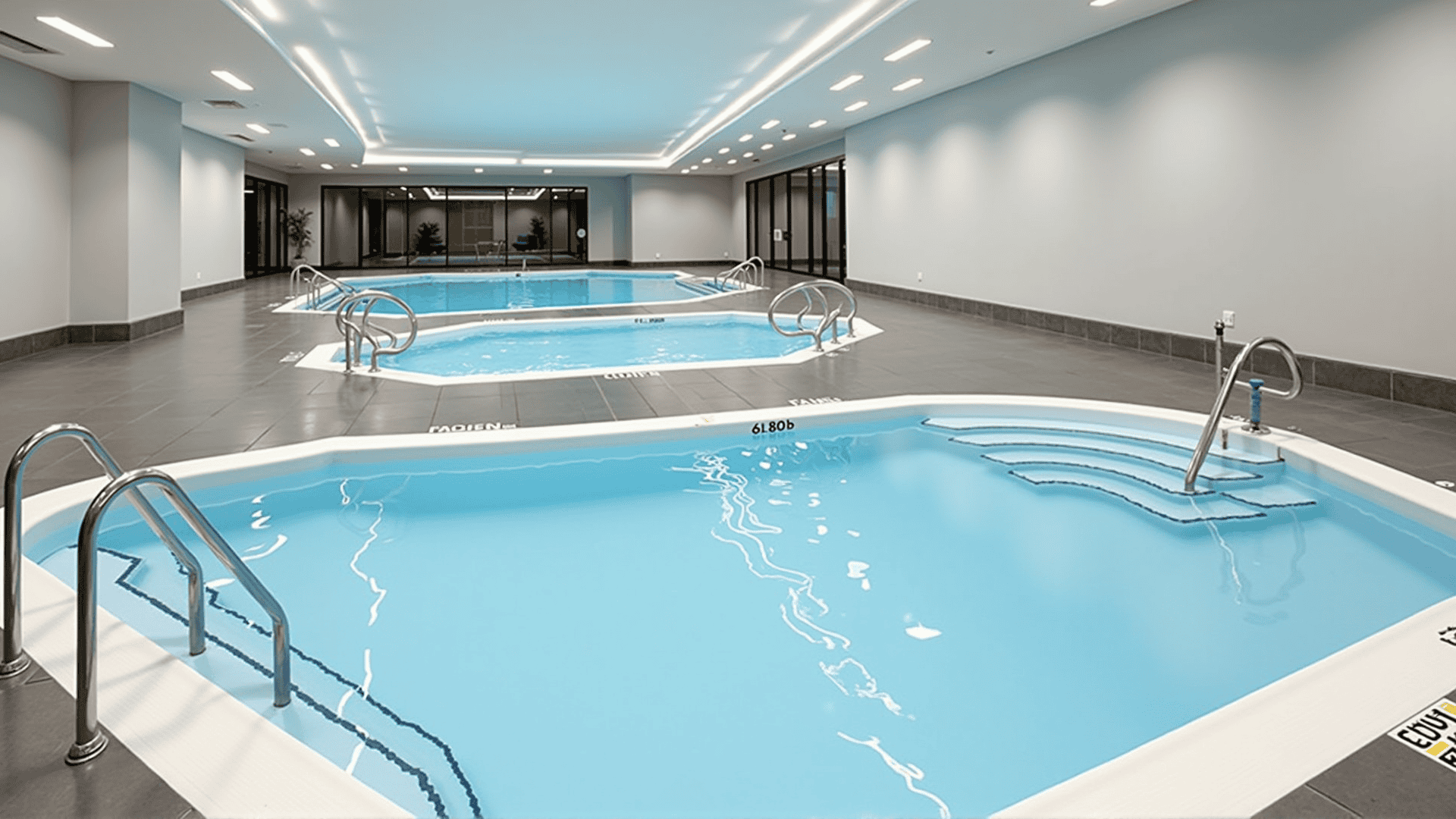
In my 48 years of building therapy pools, I've learned that customization isn't just about aesthetics – it's about creating a perfect match between the pool and your therapeutic needs. Let me share what works.
Exercise Integration
Smart exercise integration enhances therapeutic value:
- Adjustable resistance stations: Multiple anchor points
- Underwater exercise bikes: Fixed or removable
- Multi-level exercise platforms: For varied water depths
- Smart tracking systems: Monitoring progress
I recently designed a pool for a triathlete recovering from knee surgery. We integrated a smart training system that tracked his rehabilitation progress through underwater sensors.
Therapeutic Lighting
Lighting isn't just about visibility:
- Chromotherapy options: Color-changing LEDs
- Task lighting: For specific exercise zones
- Underwater guidance lights: For walking paths
- Mood lighting: For relaxation therapy
Accessibility Features
Smart accessibility enhances therapeutic value:
- Voice-activated controls: For temperature and jets
- Smartphone integration: Remote management
- Motion sensors: For safety monitoring
- Adjustable support rails: For varying abilities
Pool Cover Systems
Modern cover solutions offer multiple benefits:
- Automatic safety covers: Energy-efficient
- Bi-fold enclosures: For year-round use
- Retractable covers: For quick access
Pro tip: Always plan for future upgrades. I design every therapy pool with additional power and plumbing access points – like having extra electrical outlets in your home. It's amazing how often clients come back wanting to add features they initially passed on.
Remember, customization should enhance, not complicate, your therapy experience. The best features are those that seamlessly integrate into your daily routine.
Construction Process

Having overseen therapy pool installations from Beverly Hills to Boston, I can tell you that proper construction makes the difference between a pool that lasts 5 years and one that serves generations.
Site Preparation
Critical first steps include:
- Geological assessment: Evaluating soil stability
- Utility mapping: Locating underground services
- Drainage planning: Essential for both indoor/outdoor installations
- Access evaluation: Ensuring equipment can reach site
Material Selection
Modern therapy pools offer two primary options:
Stainless steel: Premium choice, offering:
- Better temperature control
- Easier maintenance
- Longer lifespan (30+ years)
Reinforced concrete: Traditional option, providing:
- More design flexibility
- Lower initial cost
- Proven reliability
Installation Timeline
Typical project phases:
- Site prep: 1-2 weeks
- Shell installation: 2-3 weeks
- Systems integration: 1-2 weeks
- Finishing work: 1-2 weeks
- Testing and calibration: 1 week
Pro tip: Always add a 2-week buffer for weather and inspections. I learned this lesson early when a sudden rainstorm delayed a project and taught me the value of conservative scheduling.
Permit Considerations
Key requirements typically include:
- Building permits: Local zoning compliance
- Health department approval: Water safety standards
- Electrical permits: For specialized equipment
- Environmental compliance: Especially for outdoor installations

Remember: Proper construction isn't about speed – it's about precision. A therapy pool is a medical-grade installation requiring exacting standards. When done right, it's an investment that pays dividends in both health and property value.
Investment & Value

After designing hundreds of therapy pools over my career, I can confidently say that understanding the investment isn't just about the initial price tag – it's about long-term value and health benefits.
Cost Considerations
Typical investment ranges:
- Basic therapy pool: $45,000-$65,000
- Advanced features: $65,000-$95,000
- Premium installation: $95,000-$150,000+
What influences cost:
- Construction method: Stainless steel vs. concrete
- Therapeutic features: Equipment sophistication
- Location: Indoor vs. outdoor installation
- Automation level: Smart systems integration
Maintenance Investment
Annual operating costs typically include:
- Energy: $1,200-$2,400
- Water treatment: $600-$1,200
- Regular maintenance: $1,200-$2,400
- Professional servicing: $600-$1,200
Pro tip: Investing in quality equipment upfront often reduces long-term maintenance costs by 30-40%.
Insurance Considerations
Key points to consider:
- Homeowner's insurance: Coverage requirements
- Liability protection: Additional coverage needs
- Medical insurance: Potential therapy coverage
- Property value impact: Average 5-8% increase
Return on Investment
Beyond monetary value:
- Reduced therapy costs: Average $2,000-$4,000 annual savings
- Healthcare savings: Preventive health benefits
- Property appreciation: Enhanced resale value
- Quality of life: Priceless daily accessibility
From experience, clients who view their therapy pool as a health investment rather than a luxury purchase tend to make better long-term decisions about features and quality. Remember, this isn't just a pool – it's your personal wellness center.
·Making the Right Choice for Your Therapy Pool
With 48 years of experience crafting premium therapy pools, we understand that choosing the right builder is crucial for your wellness investment. Our expertise in medical-grade installations, coupled with our commitment to custom solutions, has made us the trusted choice for discerning homeowners.
We pride ourselves on:
- Advanced engineering expertise in therapeutic systems
- Precision construction meeting medical-grade standards
- Custom design solutions tailored to your wellness goals
- Energy-efficient systems reducing long-term costs
- Smart technology integration for seamless operation
Ready to transform your backyard into a personal wellness sanctuary? Let our team of experts guide you through the process. From initial design to final installation, we ensure every detail meets our exacting standards for therapeutic effectiveness and luxury comfort.

Take the first step toward your wellness journey. Call us at (310) 261-2440 to schedule a consultation. Our dedicated team will work with you to create the perfect therapy pool solution for your needs and lifestyle.
Visit our contact page to learn more about our services and schedule your personalized consultation. Your path to enhanced wellness begins with one call.