The Ultimate Exercise Pools Handbook: From Design Options to Daily Workouts
Exercise pools represent the perfect fusion of wellness and luxury for today's homeowner. These specialized aquatic spaces go beyond traditional swimming pools by offering purposeful designs that support fitness, rehabilitation, and overall health. From lap pools and resistance systems to swim spas, exercise pools provide low-impact, joint-friendly workouts that engage your entire body through water's natural resistance. The ideal exercise pool balances proper dimensions, depth, and temperature control with customizable features like integrated spas, underwater exercise stations, and advanced lighting. Whether installed indoors for year-round use or strategically placed in your backyard, these wellness investments adapt to your specific fitness goals while accommodating family needs. With proper maintenance and care, an exercise pool becomes more than just a backyard addition—it transforms into a daily wellness ritual that enhances your quality of life for decades to come. At Designer Custom Pools, our 48 years of experience ensures your exercise pool perfectly aligns with your lifestyle, property, and long-term wellness vision.
What Are Exercise Pools?

Ever watched Olympic swimmers and thought, "I wish I could do that in my backyard"? Or perhaps you've felt the soothing relief of water therapy after a long day? As someone who's designed hundreds of pools over the years, I can tell you that more and more homeowners are discovering the perfect solution: exercise pools
Beyond the Traditional Backyard Pool
Traditional swimming pools are wonderful for summer splashing and social gatherings, but exercise pools serve a distinct purpose. Think of them as the sophisticated, fitness-focused cousins in the pool family. While your typical recreational pool prioritizes lounging areas and aesthetics, exercise pools are purpose-built for activity and wellness.
I don't need a pool for occasional weekend parties—I need a pool that works as hard as I do, every day.
Types of Exercise Pools for Your Consideration
When exploring options for your backyard, you'll encounter several varieties:
Lap Pools: Long, narrow, and typically rectangular, lap pools are designed specifically for swimming laps. Ideal dimensions start at 30-40 feet in length with consistent depth. They're perfect for serious swimmers who value their daily regimen.
Resistance Pools: These innovative designs use propulsion systems to create a continuous current you swim against—essentially creating an "aquatic treadmill." You're swimming in place against an adjustable current, making them ideal for smaller spaces. I've installed resistance pools as compact as 12' x 7' that provide the same workout as an Olympic-sized pool.
Swim Spas: The hybrid option combining exercise capabilities with spa features. These typically include resistance jets for swimming and heated seating areas for relaxation. They're particularly popular with clients who want year-round versatility in climate-variable regions.
The Functional Difference
What truly sets exercise pools apart are their features:
- Consistent depths optimized for standing exercises and swimming
- Lane markings for proper alignment during laps
- Attachment points for resistance bands and exercise equipment
- Temperature control systems for year-round comfort
- Specialized entry/exit points designed for fitness transitions
One client—a former competitive swimmer turned busy executive—told me his exercise pool became "the most efficient 30 minutes" of his day. Instead of commuting to a crowded gym, he maintains his fitness with morning swims just steps from his kitchen.
Is an Exercise Pool Right for You?
If you value fitness as part of your lifestyle, have limited time for gym commutes, or seek low-impact exercise options, an exercise pool might be your ideal solution. They're particularly valuable for those managing joint pain, recovering from injuries, or looking to maintain fitness while aging gracefully.
When designed properly, these pools do double-duty: serving as sophisticated backyard focal points while delivering genuine health benefits every day of the year. They're not just pools—they're investments in your daily wellbeing.
Benefits of Exercise Pools for Health and Wellness
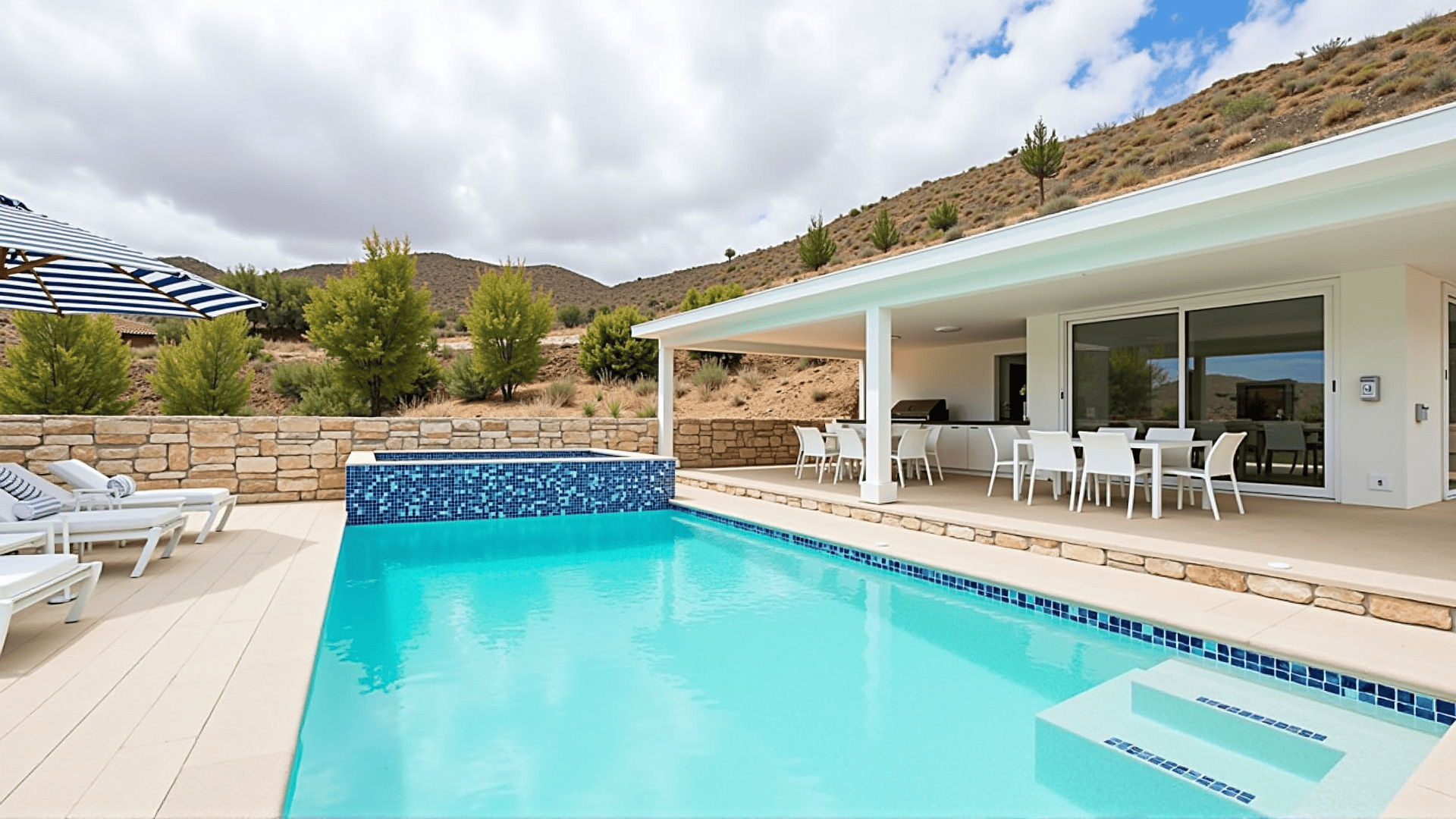

After designing custom pools for over two decades, I've witnessed a remarkable trend: more and more professionals are transforming their backyards into wellness sanctuaries. And at the center of this movement? Exercise pools. Let me share why these specialized pools have become the ultimate health investment for busy professionals and active families.
The Joint-Friendly Advantage
The most compelling benefit of water-based exercise is its extraordinary kindness to your joints. Water's natural buoyancy reduces your body weight by approximately 90% when submerged to neck level.
I recently built an exercise pool for an orthopedic surgeon who explained it perfectly: "On land, my knees feel every mile of my running history. In water, I'm 25 again." That's the beauty of aquatic exercise—it delivers cardiovascular benefits comparable to land-based workouts with minimal joint stress.
Full-Body Conditioning Like No Other
Water provides 12-14 times more resistance than air, effectively turning your pool into a liquid gym. Every movement—whether walking, jogging, or performing targeted exercises—engages multiple muscle groups simultaneously.
A simple water walk across your exercise pool can activate core stabilizers, leg muscles, and upper body more effectively than the same movement on land. This 360 degree resistance means more efficient workouts for time-pressed professionals.
Year-Round Therapy at Home
For many of my clients with busy careers, the therapeutic aspect of exercise pools proves invaluable. Temperate water (typically 82-88°F for exercise pools) improves circulation, reduces inflammation, and accelerates recovery.
One client, a high-powered executive with chronic back issues, eliminated twice-weekly physical therapy appointments after installing her exercise pool. As she put it, "Having therapeutic access at 5:30 AM before my first meeting has been career-extending."
Mental Clarity: The Overlooked Benefit
While the physical advantages are well-documented, don't underestimate the mental benefits. Water immersion naturally lowers stress hormones and blood pressure. Many pool owners report that their 30-minute morning swim provides mental clarity that carries through their entire workday.
Convenience Creates Consistency
As a pool builder, I've heard countless stories of expensive, unused gym memberships. The exercise pools we design eliminate the commute, the crowded changing rooms, and the scheduling conflicts.
When your workout facility is just steps from your back door, accessible at any hour, the consistency of your fitness routine dramatically improves. One technology executive told me his morning swim ritual became "non-negotiable me-time" precisely because it required zero additional planning.
Family Wellness Without Compromise
Perhaps most importantly, exercise pools serve the entire family. While you might use it for targeted workout sessions, your children gain valuable swimming skills, and teenagers find a healthy social gathering space.
Unlike specialized fitness equipment that serves a single purpose, exercise pools adapt to changing needs and multiple users. They're multi-generational investments in your family's wellness journey. When designing your custom exercise pool, remember that its greatest value isn't just the structure itself—it's the daily health rituals it enables for years to come.
Top Exercises for Your Exercise Pool
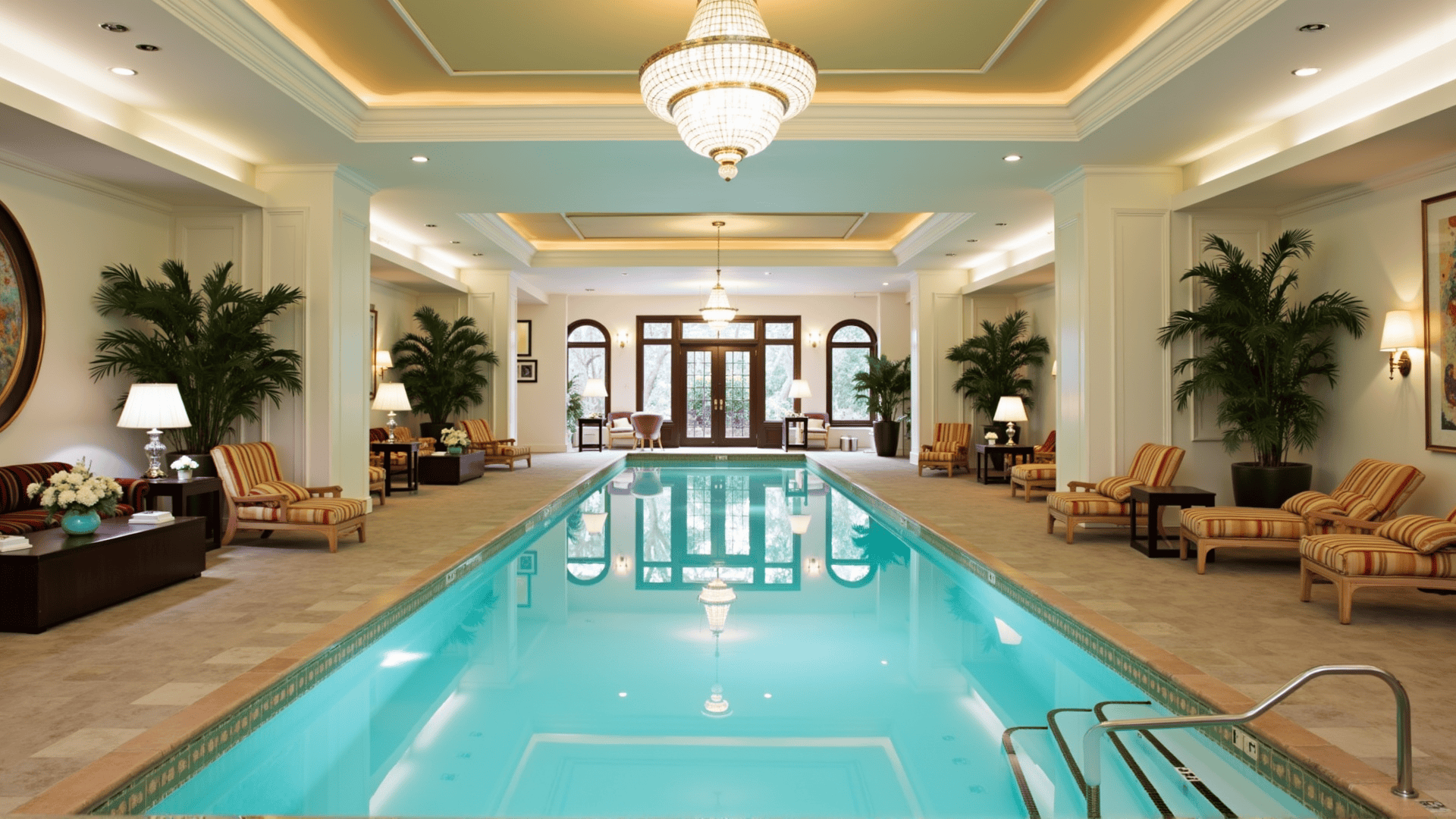
Having designed and built custom exercise pools for nearly two decades now, I've seen firsthand how a well-planned aquatic fitness space can transform lives. The question I hear most often from new owners isn't about maintenance or features—it's about what to actually do in their new exercise pool. Let me walk you through some of the most effective water workouts that my clients swear by.
Water Walking and Jogging
Don't let the simplicity fool you. Water walking is extraordinarily effective, particularly in chest-deep water where you'll experience about 80% reduction in weight-bearing stress while maintaining significant resistance.

I always recommend starting with a simple 5-minute water walking warm-up along the length of your pool. For those with our resistance-jet models, walking against the current amplifies the workout significantly. One of my clients, a busy corporate attorney, lost 15 pounds in three months with nothing more than 30 minutes of morning water jogging before heading to the office.
Secret Discounts from Premier Los Angeles Pool Builder: For proper form, keep your back straight and engage your core while making deliberate heel-to-toe movements.
Resistance Training That’s Gentle Yet Powerful
The natural resistance of water creates perfect conditions for strength training. Here are three exercises that deliver remarkable results:
Water Push-Ups: Standing in chest-deep water facing the pool wall, place your hands on the edge shoulder-width apart. Push yourself back and then return to the starting position. This exercise works your chest, shoulders, and arms with minimal joint stress.
Flutter Kicks: Hold onto the pool edge or use a kickboard, extend your legs behind you, and kick rapidly. This targets your core and lower body simultaneously.
Pool Planks: Using a pool noodle under your arms in the deep end, maintain a straight body position from head to heels. This core-stabilizing exercise is far more challenging—and effective—than it looks!
Aqua Aerobics: Not Just for Seniors
Despite their reputation, water aerobics deliver serious fitness benefits for all ages. I've incorporated specific design elements in many pools to accommodate these exercises:
Pool Jumping Jacks: Just like traditional jumping jacks, but with water providing resistance in every direction. The 360-degree resistance engages more muscle fibers than the land version.
Cross-Country Skiing: In waist-deep water, jump forward and backward while alternating your arms in opposition to your legs. It's low-impact cardio at its finest.
Equipment That Maximizes Your Investment
Strategic equipment can transform your exercise pool into a comprehensive aquatic gym:
- Underwater Treadmills: For clients who are serious about fitness, these built-in options provide exceptional workouts while eliminating impact concerns.
- Resistance Bands: Attach these to specially designed anchors (which we can incorporate into your pool design) for resistance training.
- Aquabikes: These underwater stationary bicycles provide cardiovascular benefits without the saddle discomfort of traditional bikes.
Remember, your exercise pool isn't just a luxury—it's a comprehensive wellness tool that can adapt to your changing fitness needs for decades to come. The best exercise routine is one you'll actually stick with, and having these options just steps from your back door makes consistency infinitely more achievable.
Design Considerations for Exercise Pools
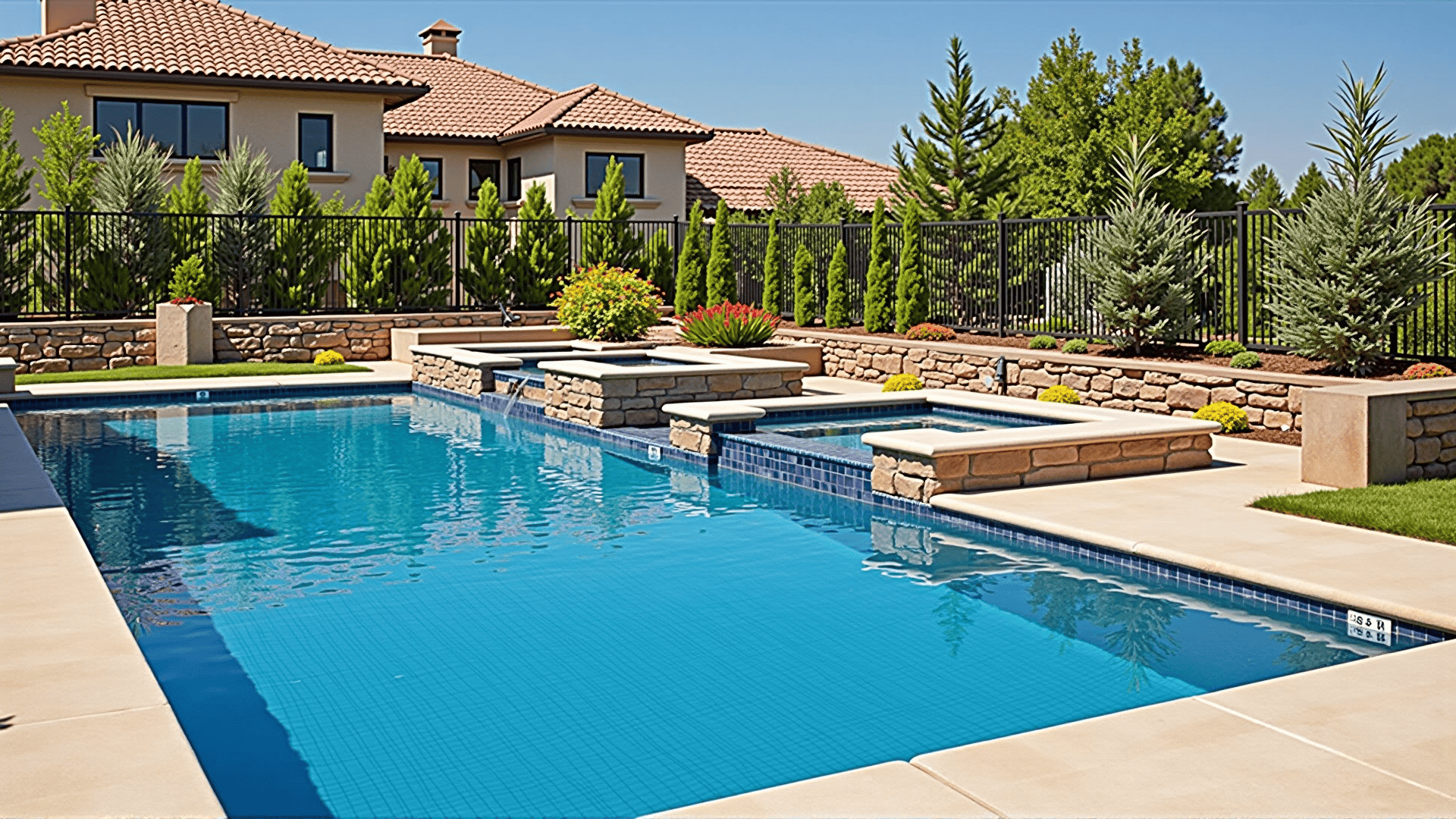
After designing hundreds of pools over my career, I've learned that exercise pools are a different breed entirely. They're not just about aesthetics—they're functional spaces where every design element impacts your workout experience. Let me walk you through the critical design considerations that will transform your backyard into an effective aquatic gym.
Size and Depth: The Foundation of Functionality

The dimensions of your exercise pool will directly influence the types of workouts you can perform. For dedicated lap swimming, I recommend a minimum length of 30-40 feet with a width of 8-10 feet. This provides enough distance for an effective stroke rhythm without constant turning.
Depth is equally crucial. I typically design exercise pools with a consistent depth of 4-5 feet throughout—deep enough for water aerobics and resistance training, yet shallow enough to maintain proper form during water walking and jogging. For clients who want both lap swimming and vertical exercises, a graduated depth from 4 to 6 feet often provides the perfect compromise.
I once had a client who insisted on a shallow 3-foot depth throughout. After construction, he quickly realized this limited his workout options significantly. We ended up renovating just six months later to create a more versatile depth profile—an expensive lesson in proper planning!
Current and Resistance Systems: The Heart of Your Aquatic Gym
The most game-changing element in modern exercise pools is the current system. These powerful jets create consistent water flow that you can swim against—essentially creating an "endless" swimming experience in a relatively compact space.
When selecting a current system, consider:
- Strength range: Can it provide enough resistance for an athletic swimmer while also offering gentler settings for beginners?
- Width of current: Narrow currents may be frustrating for those still developing their stroke technique
- Noise level: Some systems operate more quietly than others—important if morning workouts are part of your routine
Temperature Control: The Overlooked Essential
The ideal temperature for an exercise pool differs significantly from recreational pools. While family pools typically operate at 78-82°F, exercise pools perform best at 82 86°F. This warmer range reduces muscle stiffness while still preventing overheating during vigorous activity.
For year-round use in variable climates, I strongly recommend investing in a robust heating system and quality pool cover. The slight increase in upfront cost pays dividends in extended seasonal use and consistent workout conditions.
Flooring and Surfaces: Safety Meets Function
Surface selection in exercise pools requires balancing grip with comfort. Non-slip surfaces are essential for water walking and standing exercises, but overly abrasive materials can be uncomfortable during other activities.
I typically recommend a medium-texture finish that provides traction without causing discomfort during contact. For the pool deck, consider materials that remain non-slip when wet but won't absorb excessive heat in summer months.
Explore Award-Winning Los Angeles Pool Contractors Today: your exercise pool is a fitness investment that should adapt to your evolving wellness journey. Thoughtful design considerations now will ensure it serves your health goals for decades to come.
Location and Installation Options
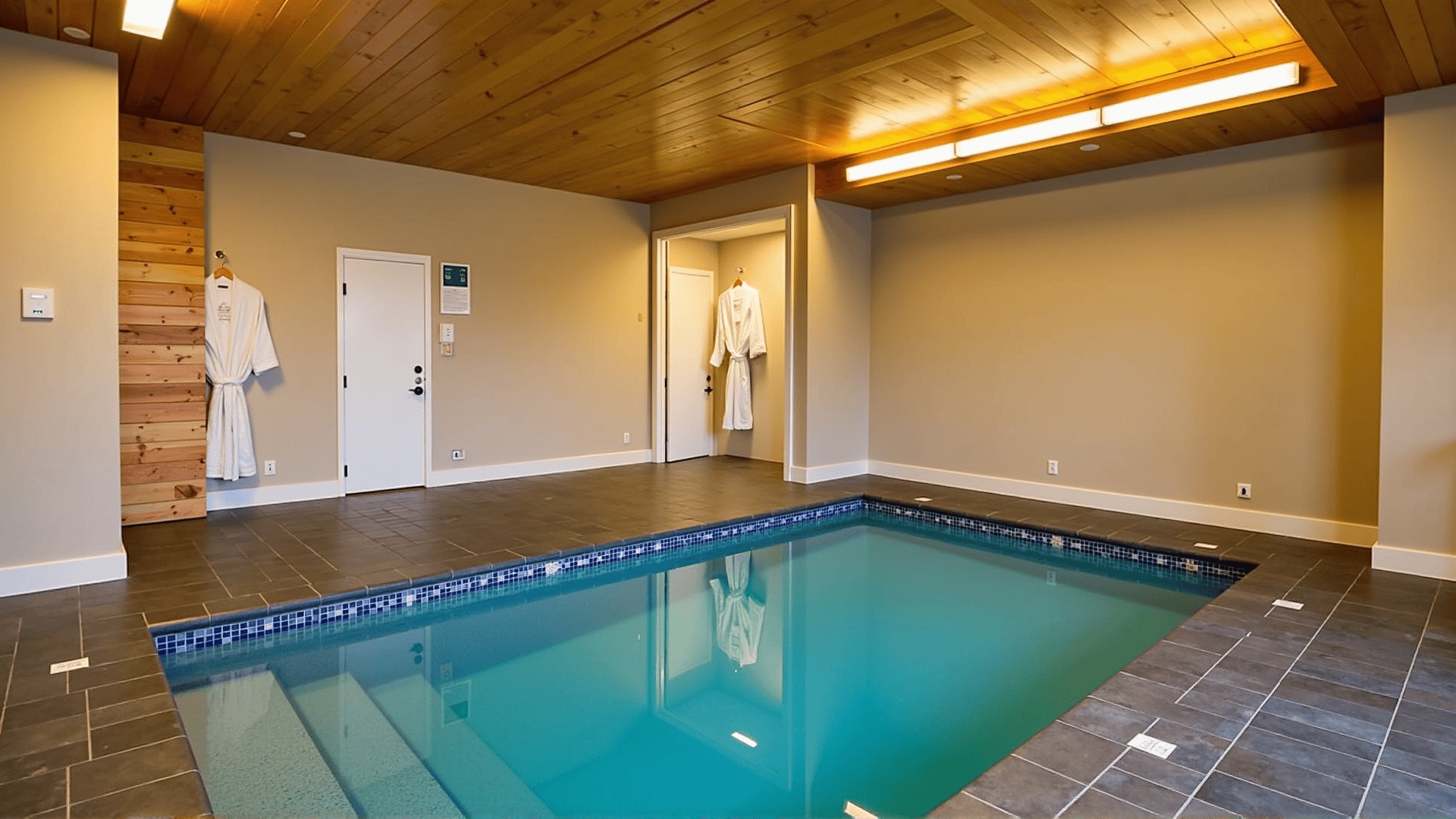
After building hundreds of exercise pools over the years, I've learned that the "where" is just as important as the "what." Your exercise pool's location will determine not just its aesthetics, but its functionality, maintenance requirements, and ultimately, how often you'll actually use it.
Above-Ground vs. In-Ground: More Than Just Aesthetics
The decision between above-ground and in-ground installation often comes down to budget, timeline, and property characteristics. But there are some nuances worth considering:
In-Ground Exercise Pools offer seamless integration with your landscape and typically add more property value. They're also easier to enter and exit during workouts something my knees have come to appreciate as I've gotten older! The drawback? They generally require more extensive excavation, permitting, and longer construction timelines.

Above-Ground Exercise Pools can be excellent options for those wanting quicker installation or dealing with challenging soil conditions. I recently installed an above ground exercise pool for a family in a rocky hillside area where excavation costs would have doubled their budget. Their cedar-clad above-ground pool looks stunning against their natural landscape while providing all the exercise benefits.
Indoor Installation: The Year-Round Advantage
If space and budget permit, indoor exercise pools offer the ultimate in convenience and year-round usability. Key considerations include:
- Room height (minimum 7-8 feet, but 10+ feet is ideal)
- Humidity management (proper ventilation systems are non-negotiable)
- Flooring materials (non-slip, waterproof surfaces)
- Sound dampening (pool equipment can echo in enclosed spaces)
I've converted garages, sunrooms, and basements into stunning indoor aquatic exercise spaces. One executive client told me her morning swim in her climate-controlled indoor exercise pool became "non-negotiable daily therapy" during Minnesota winters
Outdoor Placement Strategies
For outdoor installations, strategic placement dramatically impacts usage patterns. I always advise clients to consider:
- Sun exposure: Eastern exposure provides morning warmth without afternoon overheating – perfect for those morning workouts before heading to the office.
- Wind patterns: Consistent wind exposure dramatically increases heating costs and evaporation rates.
- Privacy concerns: Exercise pools get more use when users feel comfortable. Consider natural screening or strategic fencing to create a private workout space.
- Proximity to the house: The closer to your living space, the more likely you'll use it consistently. That 50-foot trek across the yard becomes a surprisingly effective deterrent on chilly mornings!
Space Requirements: Maximizing Functionality
Exercise pools can work in surprisingly compact spaces. For a resistance/current pool, you can create an effective swimming experience in as little as 12×8 feet. Traditional lap pools require more length – generally 30-40 feet minimum for effective swimming.
One creative solution I've implemented for space-challenged properties is the "L-shaped" exercise pool – with one section dedicated to swimming and the other to water aerobics and resistance exercises.
Remember, your exercise pool location should prioritize regular use above all else. The most beautiful pool in the world offers zero health benefits if it's too inconvenient to use consistently.
Customization Features for Exercise Pools
After 25 years of designing custom pools, I've learned that the most successful exercise pools perfectly balance fitness functionality with personal enjoyment. Your exercise pool shouldn't feel like a sterile gym facility—it should feel like your personal wellness retreat. Let me walk you through the customization features that make all the difference.
Built-in Hot Tub/Spa Combinations: Recovery Meets Reward
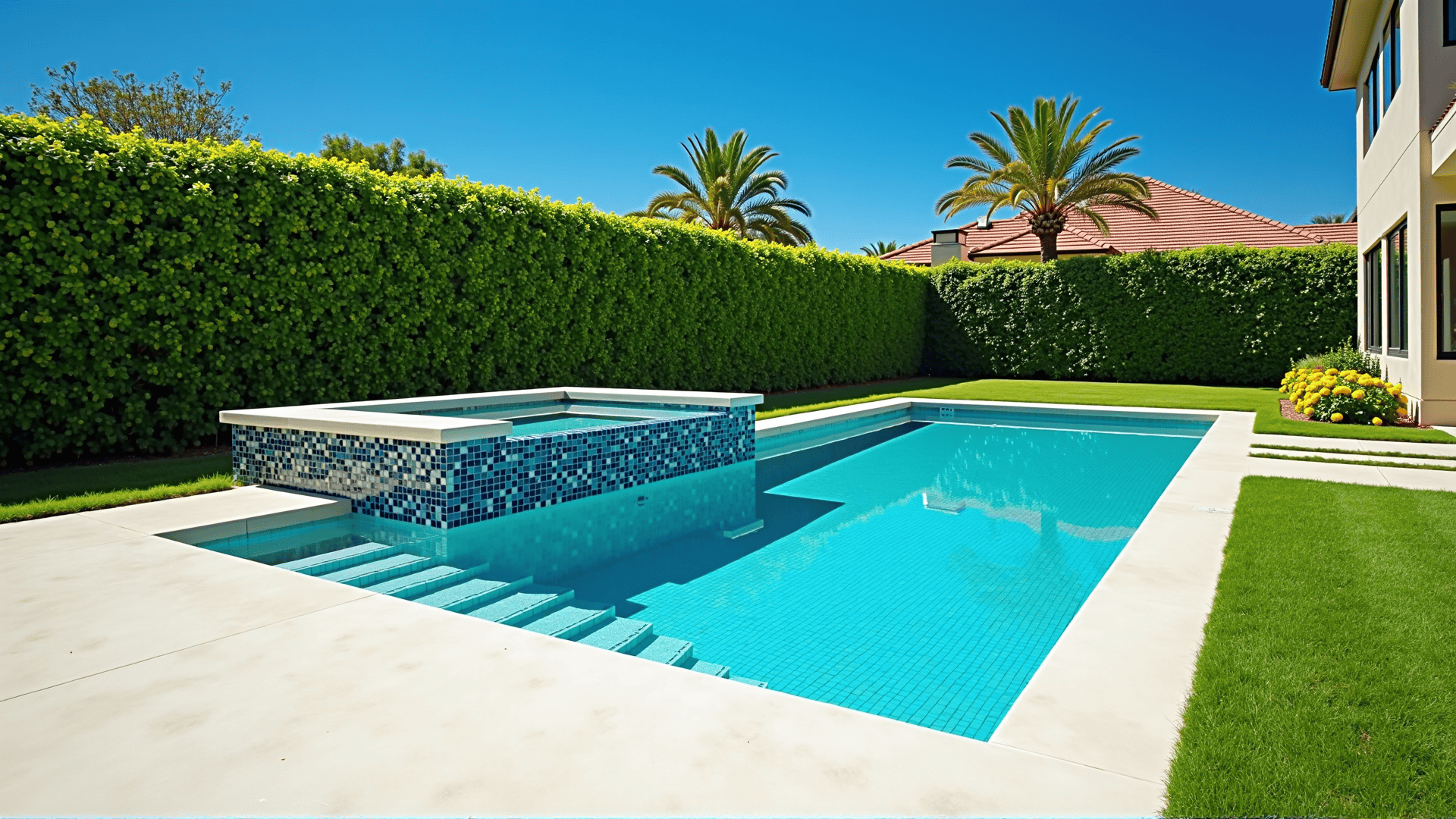
Pairing your exercise pool with an integrated spa creates the perfect workout-recovery cycle. I often design these as a connected but separate section with a spillover feature.
This combination serves a practical purpose beyond just luxury. After a vigorous swim or water workout, your muscles benefit tremendously from the therapeutic heat of a spa. It's like having your personal physical therapist on standby.
One of my favorite designs incorporated a swim-up transition bench between pool and spa—allowing users to slide from workout to recovery without ever leaving the water. This has proven especially popular with clients managing joint issues who appreciate not having to navigate steps between the two.
Lighting and Entertainment Systems: The Motivation Factor
Don't underestimate how proper lighting and entertainment can transform your exercise routine. Thoughtful LED lighting doesn't just look beautiful—it functionally extends your pool's usable hours and can actually enhance your workout experience.

I recommend:
- Underwater lighting that illuminates the full length of swimming lanes
- Perimeter lighting for safety during early morning or evening sessions
- Color-changing options that can be synchronized with music for more engaging aqua aerobics
For music lovers, underwater speakers paired with waterproof control systems allow you to create the perfect soundtrack for your workout without disturbing the neighborhood. I've had clients tell me their underwater sound system was the difference between 15-minute and 45-minute workouts!
Steps, Benches, and Exercise Stations: Functional Design Elements
Strategic entry points and exercise stations dramatically expand your workout options:
Recessed Exercise Platforms can be built into pool walls at varying depths to facilitate different standing exercises. I typically design these at 24", 36", and 48" depths to accommodate users of different heights and exercise types.
Wide Entry Steps with non-slip surfaces serve both as safe entry points and as perfect platforms for step aerobics and resistance exercises. When properly designed, these aren't just functional—they create beautiful architectural elements.
Exercise Bars and Attachment Points integrated directly into the pool structure allow for resistance band training and stability during certain exercises. Unlike portable options, these built-in features won't shift or move during intense workouts.
Aesthetic Design Possibilities
Just because it's an exercise pool doesn't mean it can't be beautiful. Modern materials allow for striking designs that complement your home's architecture:
- Sleek tile work with lane markers that enhance both function and beauty
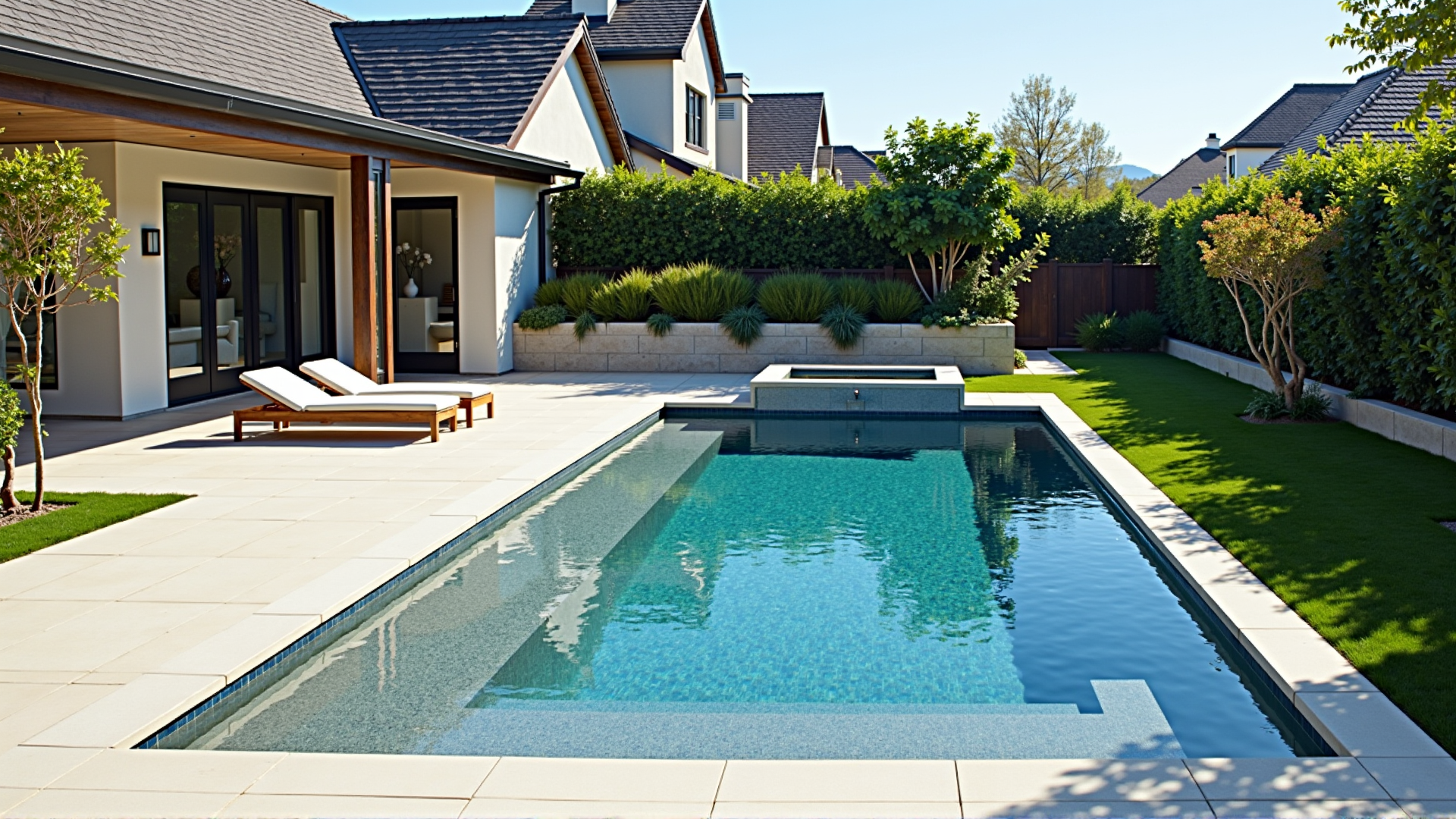
- Natural stone surrounds that create a spa-like atmosphere
- Elegant water features that can be turned off during serious workouts and on for relaxation periods
Remember, your exercise pool is both a wellness tool and a backyard centerpiece. The right customization features ensure it excels at both roles for years to come.
Maintenance Requirements for Exercise Pools

I've been building pools for over two decades, and if there's one thing I've learned, it's that exercise pools require a slightly different maintenance approach than your typical backyard splash zone. Think of an exercise pool like a high-performance vehicle—it needs specialized care to keep running at peak efficiency. Let me walk you through what that entails.
Water Quality Management: The Foundation of Pool Health
Exercise pools face unique water quality challenges. With more consistent usage and higher activity levels, these pools experience greater body oil introduction, sweat accumulation, and organic material deposit. This creates a perfect storm for potential water quality issues if not properly managed.
I tell my clients to think of their exercise pool as a living system. Your monitoring should be more frequent—I recommend checking chemical levels twice weekly rather than the once-weekly schedule suitable for recreational pools. The ideal chemical balance for exercise pools slightly favors higher sanitizer levels (2-4ppm chlorine versus the standard1-3ppm) to combat the increased organic load.

In my experience, automated chemical monitoring systems are worth every penny for exercise pool owners. These systems provide continuous readings and make small, frequent adjustments—much better than the typical "shock treatment" approach that creates wild swings in water chemistry.
Equipment Care and Maintenance
The specialized equipment in your exercise pool—current systems, underwater treadmills, resistance features—requires attention beyond standard pool components. I learned this lesson early in my career when a client's expensive current system failed prematurely because of improper maintenance.
For current and jet systems:
- Check and clean intake grates weekly to prevent debris accumulation
- Inspect propeller or impeller components monthly for signs of wear
- Schedule professional inspections of motors and electrical systems quarterly
For underwater exercise equipment:
- Rinse with fresh water after each use to remove chlorine residue
- Apply recommended lubricants to moving parts monthly
- Check attachment points and fasteners regularly for signs of corrosion
Seasonal Considerations for Maximum Performance
Exercise pools designed for year-round use face varying challenges with the seasons. In summer, higher ambient temperatures and increased UV exposure accelerate sanitizer depletion and can promote algae growth. In winter, temperature maintenance becomes critical for comfortable workouts.
I recommend seasonal maintenance schedules that address these changing conditions:
Summer Maintenance:
- Increase sanitizer monitoring to account for faster depletion
- Check water levels more frequently due to increased evaporation
- Inspect pool covers for UV damage that might compromise efficiency
Winter Maintenance:
- Confirm heater operation before cold weather arrives
- Inspect insulation around pipes and equipment
- Consider temporary enclosures for outdoor exercise pools in severe climates
Long-term Preservation Strategies
The investment you've made in your exercise pool deserves protection. Consistent maintenance isn't just about today's swim—it's about ensuring your pool serves your health goals for decades to come.
The most successful long-term preservation strategy I've seen involves creating a simple maintenance calendar with daily, weekly, monthly, and quarterly tasks clearly identified. Modern pool owners appreciate using smart home integrations or maintenance apps to receive timely reminders.
Remember, your exercise pool is a wellness partner, not just another household responsibility. The maintenance you perform ensures that partnership continues to benefit your health and lifestyle for years to come.
Cost Considerations for Exercise Pools
Let's have a frank conversation about the investment required for an exercise pool. After decades in the pool construction business, I've learned that transparency about costs leads to the most satisfied clients. An exercise pool represents a significant investment in both your property and your well-being—understanding the complete financial picture helps you make informed decisions.
Initial Investment Ranges
Exercise pools typically require a higher initial investment than standard recreational pools due to their specialized features and construction requirements. In my experience, here's what you can expect:
- Basic Exercise/Lap Pools: Starting around $50,000-$75,000 for a straightforward rectangular design with standard finishes and basic functionality.
- Mid-Range Exercise Pools: $75,000-$125,000 for pools with higher-quality materials, better filtration systems, and some specialized exercise features like built-in resistance jets.
- Premium Exercise Pools: $125,000-$200,000+ for comprehensive systems with advanced features like underwater treadmills, multi-zone designs, integrated spas, and high-end finishes.
These ranges can shift based on your location, site conditions, and material choices. I often remind clients that the initial price tag doesn't tell the complete story—both ongoing costs and potential value appreciation need consideration.
Operational and Maintenance Costs
The true cost of pool ownership extends beyond construction. For exercise pools, which typically see more frequent use, these ongoing expenses include:
- Energy Costs: Exercise pools generally require more heating than recreational pools since they're used year-round and often maintained at slightly higher temperatures (82-86°F). Advanced variable-speed pumps and high-efficiency heaters can significantly reduce these expenses.
- Water Chemistry: More frequent use means more diligent water maintenance. Budget around $50-100 monthly for chemicals and testing supplies.
- Equipment Maintenance: Specialized exercise equipment like current systems require periodic professional servicing. I recommend budgeting $500-1,000 annually for preventative maintenance.
- Insurance: Your homeowner's insurance premiums may increase slightly with an exercise pool addition.
Energy Efficiency Considerations
Smart investments during construction can yield substantial operational savings over time. In my experience, these upgrades offer the best return:
- Proper Insulation: High-quality pool shells with integrated insulation can reduce heating costs by 20-30%.
- Variable-Speed Pumps: These can reduce pumping energy costs by up to 80% compared to single-speed motors.
- Automated Covers: Beyond safety benefits, quality pool covers dramatically reduce heat loss and water evaporation.
- Solar Heating: In suitable climates, solar heating systems can significantly offset conventional heating costs.
Return on Investment and Property Value Impact
While exercise pools require significantinvestment, they often enhance property values—particularly for wellness-minded buyers. Real estate data suggests that well designed, properly maintained pools can return 70-80% of their construction cost at resale.
Exercise pools specifically appeal to health-conscious buyers and those seeking low-impact fitness options. As demographic trends continue to favor wellness-focused living, these specialized pools may become increasingly desirable features in premium properties.
Remember that the true value of an exercise pool combines tangible property appreciation with intangible benefits—the convenience of home-based fitness, family enjoyment, and improved quality of life. When viewed as both a wellness tool and a property enhancement, the investment often makes profound sense.
Choosing the Right Exercise Pool for Your Lifestyle
After years of designing custom pools, I've learned that the most successful projects begin with one crucial step: honest self-assessment. An exercise pool represents a significant investment in both your property and your well-being, so matching it perfectly to your lifestyle is essential.
Assessment of Fitness Goals and Needs
I always start client consultations with a simple but revealing question: "What does your ideal fitness routine look like in this pool?" The answers vary tremendously.
For serious swimmers, a traditional lap pool with sufficient length (at least 40 feet) and proper depth (around 4 feet) provides the straightforward swimming experience they crave. I recall a former collegiate swimmer who initially wanted all the bells and whistles, only to realize during our planning sessions that what she truly valued was uninterrupted, distraction-free swimming space.
For those focused on low-impact exercise and rehabilitation, resistance pools with adjustable current systems offer remarkable versatility in a smaller footprint. These systems allow you to swim in place against an adjustable current, essentially creating an "aquatic treadmill" experience.
For cross-training enthusiasts, multi-zone pools with distinct areas for different activities might be ideal. I recently designed a pool with a 30-foot lap swimming section that transitions into a deeper zone with underwater exercise platforms and integrated resistance training attachments.
Family Usage Considerations
Your exercise pool doesn't exist in isolation from the rest of your life. For most homeowners, family considerations significantly impact pool design decisions.

If you have children or grandchildren, incorporating a shallow play area adjacent to your exercise space might make perfect sense. I've designed numerous pools with separated zones—allowing adults to complete their water aerobics while younger family members enjoy supervised play.
For multigenerational households, accessibility features become crucial. Zero-entry designs, strategically placed handrails, and non-slip surfaces ensure that everyone from grandparents to grandchildren can safely enjoy the pool.
Space and Budget Evaluation
Be realistic about your available space and investment threshold. Exercise pools can range from compact resistance pools (as small as 8' × 14') to traditional lap pools requiring significantly more space (typically 15' × 40' minimum).
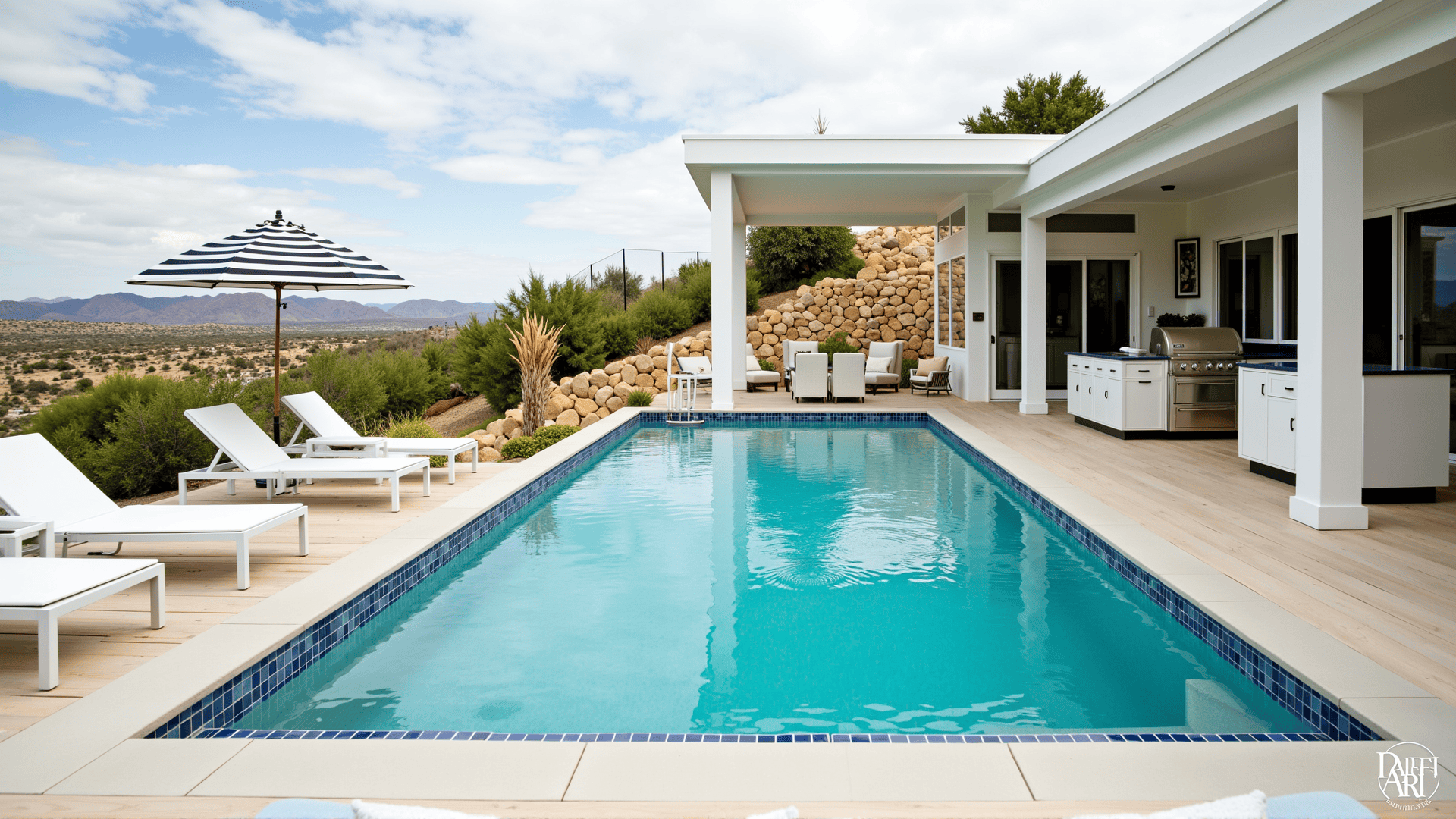
Your property's characteristics may dictate certain approaches. Sloped lots might better accommodate partially above-ground installations, while limited space might suggest a resistance pool with current system rather than a full-length lap pool.
Budget considerations extend beyond initial construction. Higher-end exercise features like integrated underwater treadmills can add significantly to upfront costs but might perfectly align with your specific fitness needs.
Professional Consultation Benefits
While online research provides valuable education, there's no substitute for professional assessment of your specific property, needs, and lifestyle. A qualified pool contractor brings experience with similar projects and can identify site-specific challenges or opportunities you might miss.
During your consultation, be prepared to discuss:
- Your primary fitness activities and frequency
- Who else will use the pool and for what purposes
- Your property's specific characteristics and constraints
- Your comfort with technology (for advanced features)
- Your maintenance preferences and availability
Remember, the right exercise pool isn't necessarily the most elaborate or expensive one—it's the one that seamlessly integrates with your lifestyle and continues to serve your wellness goals for decades to come.
Making the Move to Aquatic Fitness
As we've explored throughout this guide, an exercise pool isn't just a backyard addition—it's a transformation in how you approach fitness, wellness, and family time. After 48 years of designing and building custom pools, we've witnessed countless homeowners discover the life-changing benefits of aquatic fitness right in their own backyards.
The journey from concept to completion requires expertise that balances technical knowledge with a genuine understanding of your lifestyle needs. With nearly five decades of experience, we've refined our approach to create exercise pools that deliver on their wellness promises while enhancing your property's beauty and value.
Every exercise pool we build represents a collaboration between your vision and our expertise. We understand that this investment isn't just financial—it's an investment in your health, your family's enjoyment, and your home's future.

Ready to transform your backyard into a personalized aquatic fitness center? The next step is simple. Call us at (310) 261-2440 or visit our contact page to schedule a consultation where we'll discuss your specific fitness goals, property considerations, and design preferences. Our team will walk you through the entire process, from initial concept through completion of your custom exercise pool.
Your journey to convenient, effective, and enjoyable aquatic fitness is just one call away.