The Complete Guide to Building Indoor Pools: From Design to Construction
Indoor pools represent the ultimate luxury home addition, offering year-round swimming regardless of weather conditions with reduced maintenance compared to outdoor pools. Starting at approximately $165,000-$200,000, these investments combine a custom pool with a specialized room and technical systems that create a controlled environment perfect for swimming, exercise, and relaxation.
A successful indoor pool project requires thoughtful architectural integration, proper space planning, and specialized systems for humidity control, ventilation, and water quality management. Whether you choose gunite for unlimited customization, fiberglass for speed and simplicity, or vinyl liner for budget-conscious installations, the environment you create around the pool—with proper lighting, sound management, temperature control, and appropriate finishes—transforms it from merely a swimming venue into a true lifestyle enhancement.
The construction process typically spans 6-9 months, with installation of critical features like automatic covers, advanced heating systems, and proper dehumidification ensuring long-term enjoyment with minimal maintenance concerns. With proper care, an indoor pool becomes more than just an amenity—it becomes the heart of your home, offering health benefits, entertainment options, and a private retreat that your family will enjoy for decades.
The Advantages of Indoor Swimming Pools

As someone who's spent over two decades designing and building custom pools, I've seen the joy that washes over homeowners' faces when they first dive into their new indoor swimming pool in January. That's right, January! While their neighbors' outdoor pools sit dormant under winter covers, these homeowners are enjoying a refreshing swim regardless of what Mother Nature has planned.
Year-Round Swimming: The Ultimate Luxury
Perhaps the most compelling reason my clients choose indoor pools is the ability to swim anytime. Remember that week-long cold snap last winter? My clients with indoor pools didn't miss a single day of their morning laps. When you invest in an indoor pool, you're essentially extending your swimming season from 3-4 months to all 365 days of the year.
Lower Maintenance, Higher Enjoyment
One particular client—a busy surgeon—once told me, "I bought a pool to swim in it, not to clean it." That sentiment resonates with many homeowners. Indoor pools require significantly less maintenance than their outdoor counterparts.
Without exposure to falling leaves, lawn debris, and environmental contaminants, indoor pools stay cleaner longer. You'll spend more time enjoying your pool and less time skimming, vacuuming, and balancing chemicals. Additionally, chlorine levels remain more stable since sunlight (which rapidly degrades chlorine) isn't a factor.
Temperature Control: Your Pool, Your Comfort
Have you ever dipped your toe into your outdoor pool only to quickly withdraw it because the water was too cold? With an indoor pool, those days are over. The controlled environment allows for consistent water temperature year-round.
Most of my clients maintain their indoor pools between 82-86°F—the sweet spot for comfort—regardless of whether it's snowing or sweltering outside. Plus, since the air temperature can be regulated as well, getting in and out of the pool becomes a comfortable experience rather than a chilly dash for a towel.
Privacy Beyond Compare
In our increasingly public world, privacy has become a luxury. Indoor pools offer a sanctuary where family members can enjoy swimming without worrying about prying eyes or unexpected neighborhood visits. Many clients with teenagers particularly appreciate this aspect.
Health and Wellness at Your Fingertips
Perhaps the most lasting benefit I've observed is how indoor pools transform health routines. One client, a former college swimmer with arthritis, couldn't exercise comfortably until we installed her indoor pool. Swimming provides exceptional low-impact exercise that's particularly beneficial for joint health and cardiovascular fitness.
For families with children, having easy access to swimming means better water safety skills and a healthy activity that competes effectively with screen time. For professionals with demanding schedules, having a pool just steps away makes fitting in regular exercise infinitely more convenient.
An indoor pool isn't just a luxury addition to your home—it's an investment in a lifestyle of health, relaxation, and year-round enjoyment that outdoor pools simply cannot match. When you're ready to explore this option, working with an experienced builder who understands the unique requirements of indoor pool construction is essential to creating your perfect aquatic environment.
Cost Considerations for Indoor Pool Construction
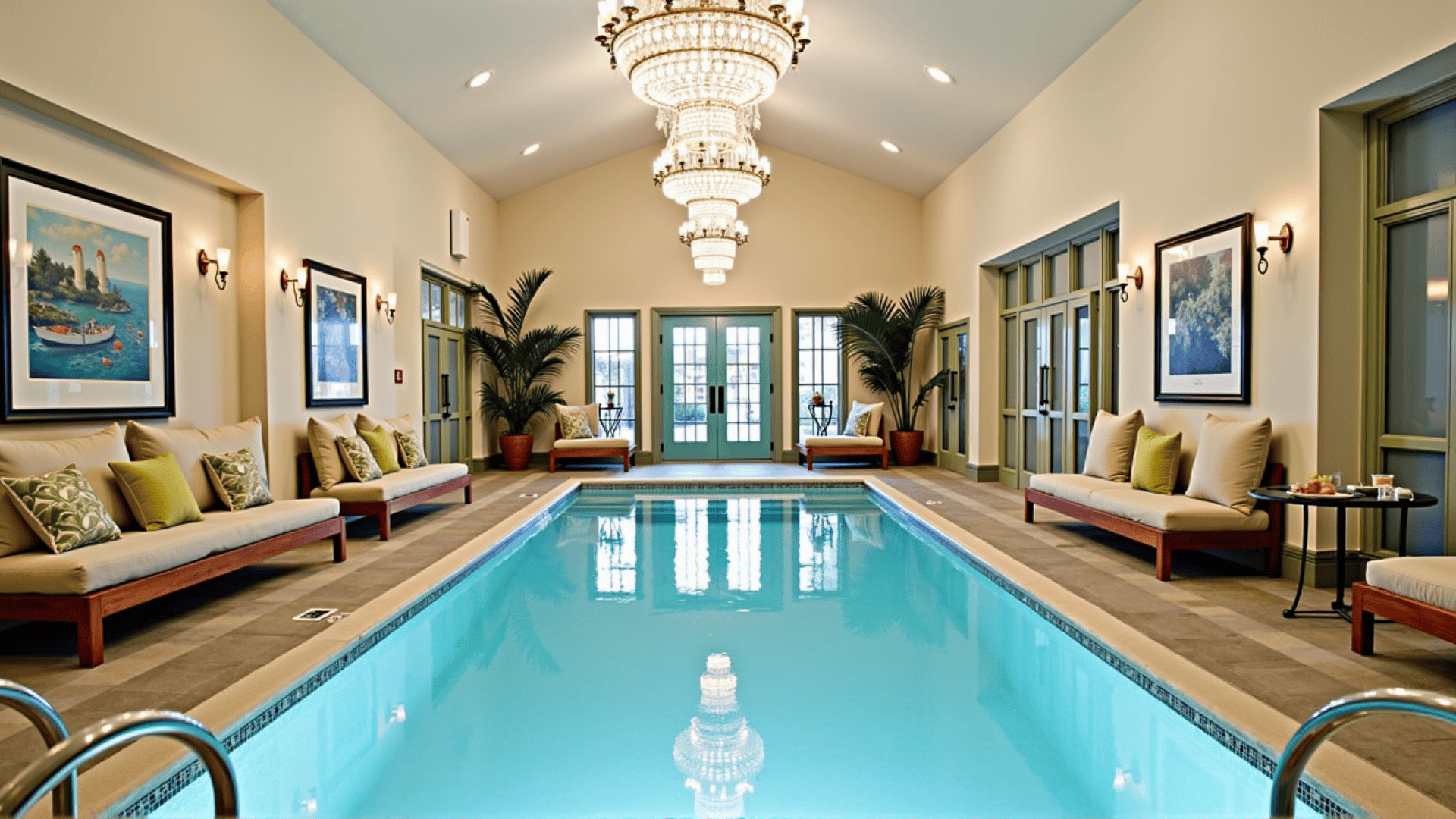

Let's talk money because in my years of building custom pools, the first question is almost always: "So, what's this going to cost me?" When it comes to indoor pools, I've learned to take a deep breath before answering. Indoor pools are investments that start at a higher price point than outdoor pools, but they deliver value in different ways.
The Starting Numbers
Indoor pools typically begin around $165,000-$200,000 for a complete project. If that number just made you spill your coffee, let me break it down:
- The pool itself: $75,000-$100,000 (similar to a high-end outdoor pool)
- The enclosure/structure: $75,000-$120,000 (depending on size and materials)
- Mechanical systems: $20,000-$30,000 (dehumidification, specialized HVAC, etc.)
These are starting figures customization, premium materials, and additional features will adjust these numbers upward. Remember, an indoor pool isn't just a pool; it's essentially adding a specialized room to your home.
What Drives the Cost Up (or Down)
Working with a family in Minnesota last year, we found significant savings by incorporating their pool room into an existing home addition. Conversely, a project in Connecticut increased in cost when the homeowners decided on floor-to-ceiling windows with mountain views (absolutely spectacular, by the way).
Key cost variables include:
- Enclosure size and complexity: A simple rectangle costs less than a soaring cathedral ceiling with skylights
- Integration with existing home: New construction vs. retrofitting
- Dehumidification system quality: This is not where you want to cut corners (trust me—I've seen the consequences)
- Finishes and amenities: Basic tile vs. imported stone; standard lighting vs. fiber optic systems
The Long-Term Financial Picture
One client, a financial advisor, insisted I calculate the 10-year cost difference between outdoor and indoor pools. The results were illuminating.
Secrets Los Angeles Pool Contractors Don't Want You to Know: Indoor pools have higher upfront and energy costs but lower maintenance expenses. They also provide year-round use instead of just 3-4 months in northern climates effectively giving you 8-9 more months of enjoyment annually.
Additionally, a properly designed indoor pool adds significant home value. While outdoor pools return about 40-50% of their cost in home value, quality indoor pools often return 70-80% in appropriate markets.
Budgeting Wisely
If you're serious about an indoor pool, I recommend:
- Add a 15% contingency to your budget for unexpected issues
- Prioritize mechanical systems over aesthetics initially (you can upgrade finishes later, but retrofitting ventilation is problematic)
- Consider phasing the project if appropriate (build the core now, add the sauna or changing rooms later)
- Invest in energy efficiency which pays dividends monthly
An indoor pool represents a significant investment, but when designed thoughtfully, it creates a year-round wellness center in your home that's both a luxury and a practical addition to family life. The key is working with experienced professionals who understand both pool construction and the unique requirements of indoor aquatic environments
Essential Design Elements for Indoor Pools

After designing hundreds of indoor pools over the years, I've learned that the most successful projects aren't just about the pool itself—they're about creating a complete environment that feels like a natural extension of your home. Let me share what makes the difference between an indoor pool that feels like a municipal recreation center and one that becomes the heart of your home.
Architectural Integration: The Seamless Connection
Your indoor pool should never feel like an afterthought. The most successful designs I've created integrate the pool area with the existing architectural language of the home. This doesn't mean the space can't be distinctive—but material choices, ceiling heights, and transitions should create a natural flow.
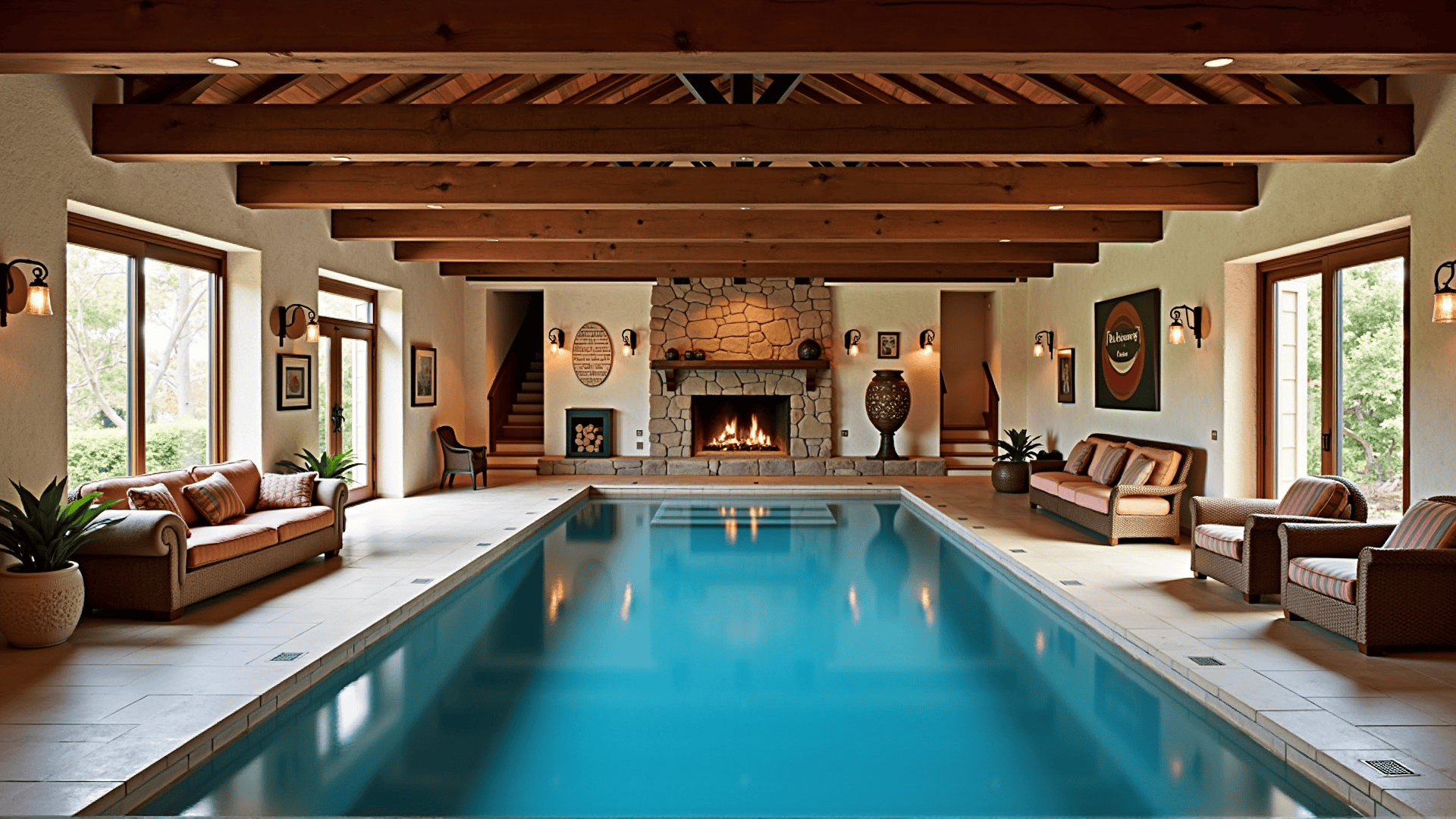
I once worked with a client whose Tudor-style home initially seemed at odds with a modern pool space. By incorporating exposed wooden beams, stone accents, and wrought iron fixtures, we created a pool room that felt like it had always been part of the original design. Visitors were shocked to learn it was a recent addition.
Space Planning: Beyond the Water’s Edge
An indoor pool requires thoughtful space allocation beyond just the pool dimensions. You'll need to consider:
- Deck space: Allow at least 4-6 feet around all sides for safety and furniture
- Ceiling height: Minimum 10 feet (higher is better for ventilation and aesthetics)
- Technical rooms: Hidden but accessible space for equipment
- Changing areas: Even a small changing room with a shower makes daily use more practical
One design principle I follow religiously: create "zones" within the space. A recent project included distinct areas for swimming, lounging, dining, and a small reading nook all within the pool room. This transformed the space from merely a place to swim into a true living area.
The Light Factor: Natural vs. Artificial
Natural light makes indoor pools come alive. Large windows, skylights, and glass doors not only reduce lighting costs but create an indoor-outdoor feeling that elevates the entire experience. However, strategic artificial lighting is equally important for evening use.
For a project in a northern climate, we installed a combination of clerestory windows (high windows that prevent heat loss while allowing light) and fiber optic ceiling lights that mimicked a starry night sky. The result was magical at any hour.
Style Selection: Finding Your Aesthetic
The style options for indoor pool environments are virtually limitless:
- Modern minimalist: Clean lines, neutral colors, hidden equipment
- Classic elegance: Columns, detailed tilework, formal seating areas
- Tropical retreat: Stone accents, water features, abundant plants
- Rustic sanctuary: Wood beams, natural stone, earth tones
Your choice should reflect both your personal taste and your home's existing character. If you're uncertain, I recommend creating a digital mood board with images that appeal to you—patterns often emerge that help clarify your preferences.
The Supporting Cast: Amenities
The most used indoor pools I've designed include thoughtful amenities: comfortable seating, audio systems, perhaps a small kitchenette or bar area, and proper storage for towels and pool equipment. These elements transform a swimming pool into a true living space that serves multiple purposes and invites regular use.
Remember, you're not just building a pool—you're creating an environment that will become one of your home's most distinctive features. Take the time to envision how you'll use the space daily, and design accordingly.
Solving the Technical Challenges
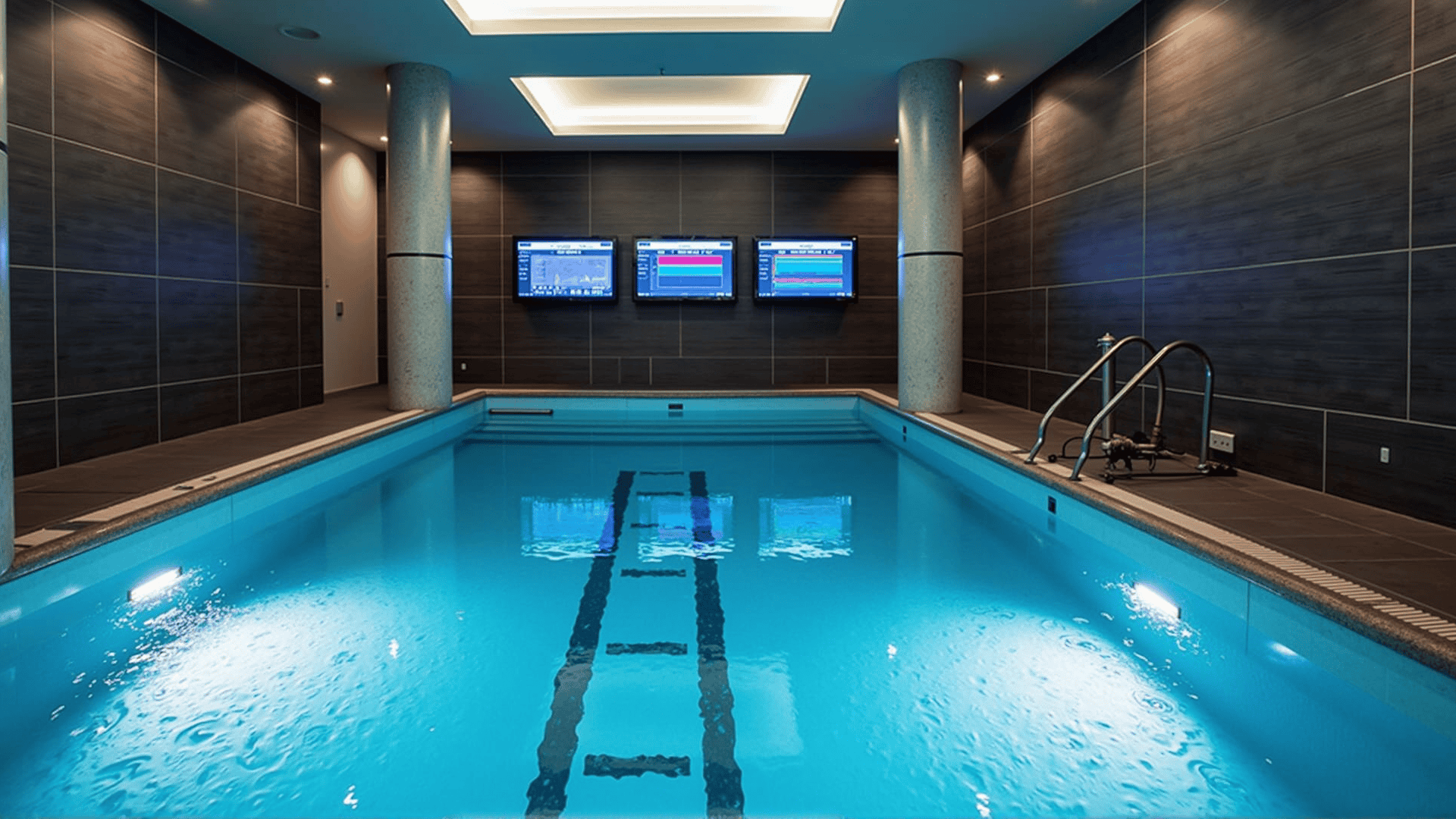
I've spent decades building pools, and I'll tell you a secret: the most beautiful indoor pools I've ever created were 90% engineering and 10% aesthetics. The technical aspects of indoor pool construction are what separate amateur attempts from professional installations that last decades without issues.
Humidity: Your Biggest Enemy
If there's one technical challenge that keeps me up at night, it's humidity control. An indoor pool is essentially a large, warm water feature constantly releasing moisture into the air. Left unchecked, this moisture will find its way into every crack, crevice, and surface of your home.
I once visited a DIY indoor pool project where the owner had skimped on dehumidification. The windows were permanently fogged, wooden doorframes had warped, and mold was spreading throughout adjacent rooms. The "savings" on proper dehumidification ended up costing them ten times more in remediation.

A properly sized dehumidification system is non-negotiable. These systems typically need to:
- Handle 4-8 pounds of water per square foot of pool surface daily
- Maintain humidity levels between 50-60%
- Include appropriate air exchanges per hour (typically 6-8 complete air changes)
Ventilation: It’s All About Airflow
Airflow design in an indoor pool environment is surprisingly complex. The goal is to move air across all surfaces—especially windows and skylights—without creating drafts across the pool surface (which accelerates evaporation).
I've developed a design approach that uses low-wall return registers and ceiling-based supply diffusers to create a gentle circulation pattern that prevents condensation on surfaces while minimizing water evaporation. The difference this makes in both comfort and building preservation is remarkable.
Structural Considerations: Supporting Weight and Moisture
An indoor pool isn't just heavy—it's heavy with special requirements:
- The average 16'x32' pool holds about 20,000 gallons of water weighing 160,000+ pounds
- The structure must accommodate this weight plus the weight of the enclosure
- All materials must be able to withstand constant high humidity
Working closely with structural engineers is essential, especially when retrofitting an existing building. For new construction, we generally recommend reinforced concrete foundations with proper waterproofing membranes.
Moisture Barriers: The Invisible Shield
One of my mentors taught me: "Build your indoor pool room like you're building a submarine—from the inside out." This means using specialized vapor barriers behind all finishes.
Standard housewrap won't cut it. We typically use:
- Continuous 10-15 mil polyethylene sheeting behind walls
- Special moisture-resistant drywall (not just "greenboard")
- Sealed joints at all penetrations
- Waterproof membranes under floor materials
Equipment Selection: Specialized for Indoor Use
Indoor pool equipment requires special considerations. Saltwater systems, for example, need properly vented areas to prevent corrosion from chlorine gas. Heaters often need to be sized differently due to the controlled environment.
One particularly successful approach I've implemented is creating a fully isolated equipment room with its own ventilation system, accessible from outside the pool enclosure. This prevents equipment noise from disturbing swimmers while allowing maintenance without traipsing through the house.
The technical challenges of indoor pool construction are substantial, but with proper planning and experienced execution, they can be overcome to create a trouble-free environment that will provide enjoyment for decades.
Choosing the Right Pool Type for Indoor Installation

After building pools for nearly three decades, I've found that choosing the right pool type for an indoor installation involves different considerations than outdoor pools. While any of the three major pool types—gunite (concrete), fiberglass, and vinyl liner—can work indoors, each brings distinct advantages and challenges in an enclosed environment.
Gunite (Concrete) Pools: Ultimate Customization
Gunite pools have always been my go-to recommendation for clients who want complete design freedom for their indoor sanctuary.
Advantages for Indoor Installation:
- Unlimited shape and depth options (want that unique freeform design with a diving well? No problem.)
- Ability to integrate custom features like beach entries, swim-up bars, and elaborate water features
- Exceptional durability in controlled environments
- Can be finished with virtually any material from simple plaster to elaborate glass tile

Considerations:
- Longer construction time (typically 8-12 weeks on-site)
- Higher initial cost than other options
- More porous surface can require slightly more chemical maintenance
I recently completed an indoor gunite installation where we designed a pool that appeared to emerge from a natural rock formation against one wall. This simply wouldn't have been possible with pre-formed options.
Fiberglass Pools: Speed and Simplicity
For indoor installations where construction time is critical, fiberglass pools offer significant advantages.
Advantages for Indoor Installation:
- Extremely fast installation (often just 2-3 weeks)
- Non-porous surface requires fewer chemicals and is gentle on swimmers
- Factory-controlled quality with consistent finishes
- Many models include built-in features like benches and tanning ledges
- Lower lifetime maintenance costs
Considerations:
- Limited to pre-manufactured shapes and sizes
- Requires access for delivery of the shell (can be challenging for some indoor locations)
- Less customizable than gunite
I remember one project where we had a tight 6-week window between the enclosure completion and a major family event. We opted for fiberglass, and the clients were swimming within 3 weeks of shell delivery—something impossible with other pool types.
Vinyl Liner Pools: Budget-Friendly Option
Vinyl liner pools occupy an interesting middle ground for indoor installations.
Advantages for Indoor Installation:
- Lower initial cost than other options
- Smooth surface that's comfortable for swimmers
- More design flexibility than fiberglass
- Protected from UV degradation that affects outdoor liner pools
- Faster installation than gunite (typically 4-6 weeks)
Considerations:
- Liners eventually need replacement (though they last longer indoors)
- Limited depth options compared to gunite
- Somewhat less prestigious than other options
Making Your Decision
When guiding clients through this decision, I ask them to prioritize these factors:
- Timeline: How quickly do you need to be swimming?
- Budget: Initial cost vs. lifetime considerations
- Design flexibility: How custom do you want your pool to be?
- Maintenance preferences: How hands-on do you want to be?
For indoor installations specifically, I've found gunite and fiberglass to be the most popular choices, with gunite winning for custom designs and fiberglass for speed and simplicity.

Meet the Most Sought-After Los Angeles Pool Builder of 2025: Whatever type you choose, remember that indoor pools generally have longer lifespans than outdoor pools due to their protection from the elements—making your choice of pool type an even more important long-term decision.
Creating the Perfect Indoor Pool Environment
The magic of an indoor pool isn't just in the water—it's in the complete environment you create around it. After building hundreds of indoor pools over my career, I've found that the difference between "nice" and "extraordinary" often comes down to how thoughtfully the surrounding environment is designed.
Lighting: Setting the Mood
Lighting an indoor pool space is like painting with light—it transforms the entire experience. I always recommend a layered approach:
- Underwater lighting creates that magical glow that makes water inviting. LED color-changing options let you shift from energizing blue-whites for morning exercise to calming amber tones for evening relaxation.
- Ambient room lighting should be indirect and dimmable. Avoid placing fixtures directly over the water—they create harsh reflections and are difficult to maintain. Instead, wall sconces and cove lighting provide a soft, flattering glow.
- Natural light through skylights and windows creates beautiful water reflections and connects you with the outdoors. However, I always recommend motorized shades or blinds to control glare and heat when needed.
I'll never forget walking a client through their finished pool room at dusk as the underwater lights gradually intensified while the natural light faded. She actually teared up at how beautiful the space had become.
Sound Management: The Forgotten Element
Many first-time indoor pool owners don't consider acoustics until it's too late. Hard surfaces and water create an echo chamber that can make conversation difficult and relaxation impossible.
Strategic placement of acoustic panels (now available in decorative designs or even disguised as art), soft furnishings, and plants can dramatically improve sound quality. One of my favorite techniques is incorporating wooden slat ceilings with acoustic backing—they look gorgeous while absorbing sound waves.
Temperature Harmony: Air and Water Balance
The relationship between air and water temperature is crucial for comfort. The ideal air temperature is 2-4°F warmer than the water temperature—this prevents the chill you feel when exiting the pool.
For most clients, I recommend:
- Water temperature: 82-86°F (slightly warmer for primarily recreational use)
- Air temperature: 84-88°F
- Humidity level: 50-60%
This balance creates a comfortable environment where you don't feel chilled when wet or overheated when dry.
Finishes That Last: Humidity-Resistant Materials
Not all materials can withstand the constant humidity of an indoor pool environment. I've seen beautiful hardwood trim warp within months when improperly sealed.
Successful materials include:
- Porcelain and ceramic tile (floor and walls)
- Natural stone with proper sealing
- Marine-grade woods or composite alternatives
- Specialized paint with anti-mildew properties
- PVC trim and moisture-resistant crown molding
Bringing Nature Indoors: Plants and Landscaping
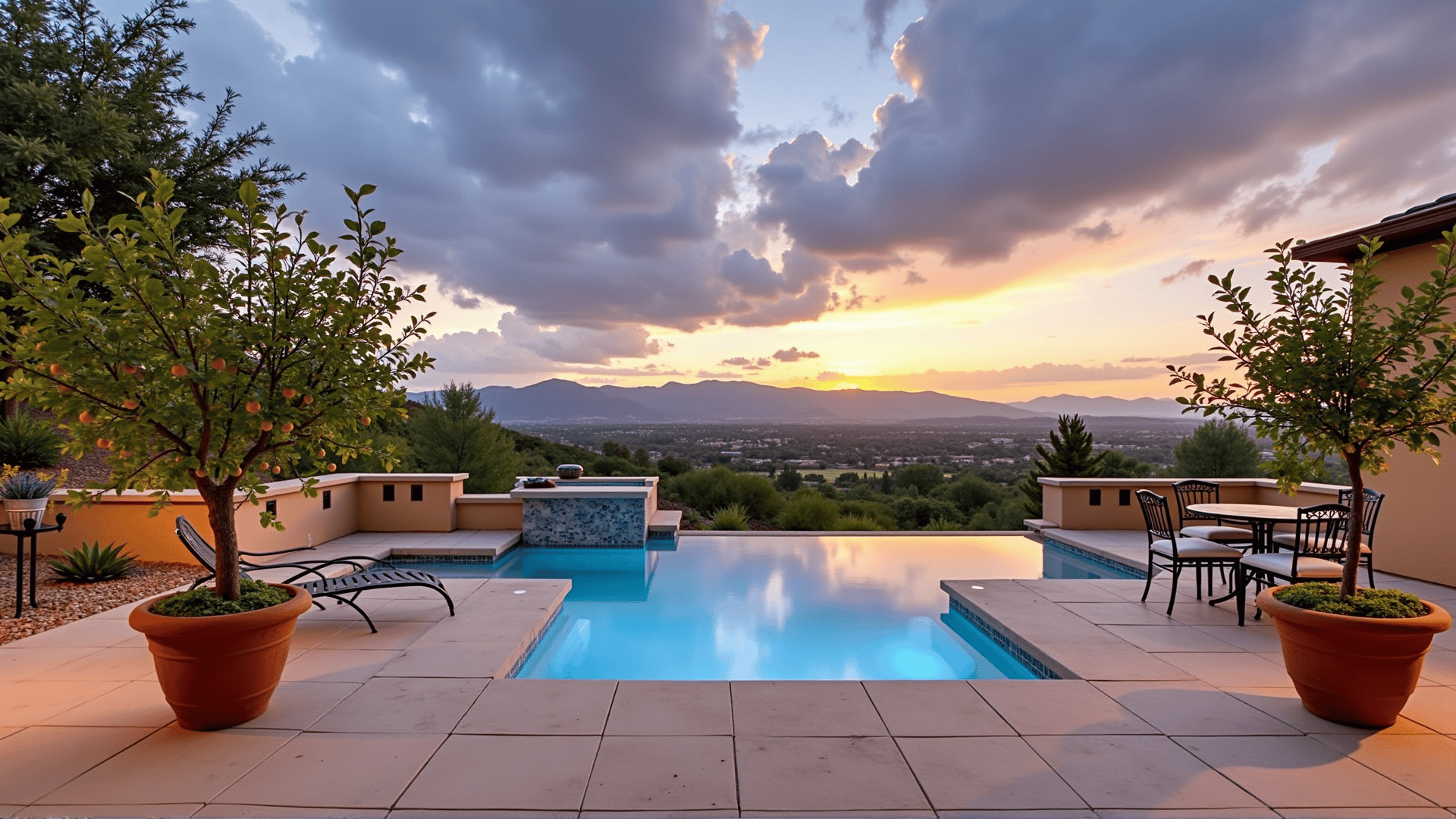
Plants not only beautify your pool environment but actually improve air quality and acoustics. Species that thrive in high-humidity environments create a lush, resort-like atmosphere.
In one memorable project, we created a living wall of tropical plants opposite the pool, complete with a subtle irrigation system hidden behind the greenery. The result was a stunning focal point that made the space feel like a tropical getaway.
Creating the perfect indoor pool environment requires careful attention to these elements, but the result is a space that engages all your senses and becomes much more than just a place to swim—it becomes your personal retreat from the world.
The Construction Process Explained

Building an indoor pool is a bit like conducting an orchestra. As your conductor (or builder), I'm coordinating multiple skilled professionals who need to perform their parts at precisely the right moment. After overseeing hundreds of indoor pool projects, I've developed a rhythm to this complex dance that delivers beautiful results while minimizing the inevitable disruption to your household.
Phase 1: Planning and Permitting (4-8 weeks)
The success of your indoor pool begins long before any excavation. During this critical phase, we're:
- Finalizing architectural plans with structural engineering input
- Securing necessary building permits (which often require specialized approval for indoor pools)
- Coordinating with mechanical engineers on HVAC, dehumidification, and pool systems
- Creating detailed construction schedules
I always tell my clients that patience during this phase pays dividends later. I remember one particular project where rushing through planning led to a 3-week delay when the building department required additional structural calculations for the roof span. Had we addressed this upfront, construction would have proceeded without interruption.
Phase 2: Structural Work (8-12 weeks)
This is where your project truly begins to take shape:
- Excavation and foundation work
- Framing of the enclosure (if building new)
- Rough plumbing and electrical installation
- HVAC and dehumidification system rough-in
During this phase, you'll see dramatic daily progress as the structure emerges. It's also the phase with the most variables due to weather, soil conditions, and potential surprises behind walls in existing homes.
One homeowner once told me this phase reminded her of watching a time-lapse nature documentary—each day bringing visible growth and change to her property.
Phase 3: Pool Construction (4-8 weeks depending on type)
Now comes the centerpiece of the project:
- Pool shell construction (concurrent with Phase 2 for many projects)
- Plumbing and equipment installation
- Interior finishing (tile, plaster, liner, etc.)
- Coping and immediate deck area completion
The timeline here varies significantly based on your pool type: fiberglass can be installed in days once the foundation is prepared, while gunite requires several weeks of construction followed by curing time.
Phase 4: Interior Finishing (3-4 weeks)

With the major structural elements complete, we focus on creating the perfect environment:
- Interior wall and ceiling finishes
- Specialized floor installations
- Lighting systems
- Final trim and details
This phase transforms a construction site into your personal oasis. It's where all the design decisions you've made come together into a cohesive whole.
Phase 5: Systems Integration and Testing (1-2 weeks)
Before handing over the keys, we meticulously test every system:
- Pool equipment calibration
- HVAC and dehumidification commissioning
- Lighting and control system programming
- Water chemistry balancing
I never consider a project complete until everything functions flawlessly together. Indoor pools are complex systems where all elements need to work in harmony.
The Timeline Reality
From the first design meeting to your first swim, most indoor pool projects take 6-9 months total. While this may seem long, remember you're essentially building both a pool AND a specialized room to house it.
The most successful projects I've managed have involved clients who understood the complexity involved and trusted the process. The result is always worth the wait—a personal aquatic retreat that will serve your family for decades.
Must-Have Features for Indoor Pools

After building indoor pools for over two decades, I've developed what I call my "non-negotiable list" – features that elevate an indoor pool from merely functional to exceptional. These aren't just luxury add-ons; they're practical elements that dramatically improve the user experience, energy efficiency, and longevity of your investment.
Automatic Pool Covers: The Indoor Pool’s Best Friend
If there's one feature I insist on for every indoor pool, it's an automatic cover. Here's why:
An automatic cover reduces evaporation by up to 95% when closed, which:
- Dramatically reduces humidity (protecting your home from moisture damage)
- Lowers energy costs by minimizing heat loss
- Reduces chemical consumption
- Improves air quality in the pool room
I remember visiting a client who had opted against an automatic cover despite my recommendation. Within six months, they called me back to install one after battling persistent humidity issues and watching their heating bills skyrocket.
Modern automatic covers integrate beautifully into the pool design with hidden vault systems that preserve the aesthetic appeal while providing these practical benefits.
Advanced Heating Systems: Beyond Basic
Indoor pools benefit from heating systems specifically designed for their unique environment. While outdoor pools might use solar or heat pumps, indoor pools typically perform best with:

- High-efficiency gas heaters: Providing rapid temperature adjustments and reliable performance
- Secondary heat exchangers: That capture waste heat from dehumidification systems
- Smart controllers: That learn your usage patterns and optimize temperature management
One innovation I've incorporated recently is a heat recovery system that captures energy from the dehumidification process and redirects it to heat the pool water effectively using the same energy twice and reducing operating costs by up to 30%.
Dehumidification Technology: The Silent Guardian
A properly sized dehumidification system is the unsung hero of every successful indoor pool. But not all systems are created equal.
The latest systems include:
- Variable speed compressors that adjust to actual conditions
- Air-to-water heat recovery
- Smart monitoring that alerts you to performance changes
- Ultra-quiet operation
I always tell clients that skimping on dehumidification is like buying a luxury car without an engine – it might look nice, but it simply won't function properly.
Water Sanitization: Beyond Traditional Chlorine
Traditional chlorine systems can create irritating chloramines that become trapped in the indoor environment. Modern alternatives include:
- UV sanitization systems: That reduce chlorine needs by up to 70%
- Ozone generators: That provide powerful oxidation without chemical byproducts
- Salt chlorine generators: That produce gentler forms of chlorine on-demand
One client with sensitivity to traditional chlorine was thrilled when we installed a combination UV/ozone system that allowed us to maintain crystal clear water with minimal traditional chemicals.
Smart Home Integration: Control at Your Fingertips
Today's indoor pools should seamlessly integrate with your home automation system. Imagine:
- Adjusting water temperature from your phone before arriving home
- Voice commands to open/close the cover or activate water features
- Automated routines that prepare the pool environment for your morning swim
- Monitoring systems that alert you to any maintenance needs
These smart features aren't just convenient—they ensure optimal energy usage and system performance by making it effortless to manage your pool properly.
When designed thoughtfully, these must-have features work together to create an indoor pool experience that's as effortless to maintain as it is enjoyable to use.
Maintenance and Long-Term Care

One of my favorite moments as a pool builder comes about three months after an indoor pool installation is complete. That's when I visit clients for their first quarterly maintenance check-up and hear:

"This is so much easier than I expected!" It's true—indoor pools require substantially less day-to-day maintenance than their outdoor counterparts, but they do need a specific approach to care that ensures they remain trouble-free for decades.
The Simplified Cleaning Routine
Without leaves, debris, pollen, and outdoor contaminants to deal with, indoor pool cleaning becomes remarkably straightforward. Most of my clients follow this streamlined routine:
Weekly maintenance:
- Brief skimming (5 minutes)
- Test and adjust water chemistry (10 minutes)
- Quick vacuum or activate automatic cleaner (15 minutes)
Monthly maintenance:
- Clean waterline tile (15 minutes)
- Backwash or clean filters if needed (20 minutes)
- Inspect equipment for proper operation (10 minutes)
Compare this to outdoor pools requiring multiple weekly cleanings during heavy use seasons, and you'll understand why indoor pool owners smile when discussing maintenance.
Chemical Management: A Different Approach
Indoor pool chemistry requires a different approach than outdoor pools. Without UV rays constantly degrading chlorine, your sanitizer lasts significantly longer, but proper balance becomes even more critical.
I recommend:
- Using test strips or digital testers for daily quick-checks
- Conducting a complete water analysis monthly
- Maintaining slightly lower chlorine levels (1-3 ppm rather than 2-4 ppm for outdoor pools)
- Emphasizing proper pH control to prevent etching of surfaces
The enclosed environment makes water chemistry more stable but also means imbalances can affect both the pool and the surrounding room. Think of it like tending a carefully balanced aquarium rather than fighting the constant challenges of an outdoor pond.
Equipment Maintenance: Protecting Your Investment
The specialized equipment in indoor pools benefits from preventative maintenance rather than reactive repairs.
- Your quarterly service schedule should include:
- Dehumidification system inspection and filter changes
- HVAC system check and cleaning
- Automatic cover mechanism lubrication and tension adjustment
- Checking for any signs of moisture damage in the surrounding structure
I often tell clients that their pool equipment is like a luxury car—regular maintenance is far less expensive than waiting for something to break down.
Preventing Common Indoor Pool Issues
After building dozens of indoor pools, I've identified patterns in the rare issues that arise. The good news? They're almost all preventable:
Condensation on windows and surfaces:
- Solution: Proper air circulation and dehumidification system operation
Chloramine buildup (causing "pool smell"):
- Solution: Adequate ventilation and supplemental sanitization systems like UV
Mold or mildew in adjacent areas:
- Solution: Maintaining appropriate humidity levels and proper vapor barriers
Surface etching or staining:
- Solution: Regular water chemistry balancing
The Professional Touch
While indoor pools require less daily attention, I strongly recommend quarterly professional inspections that go beyond the surface. This approach has kept every indoor pool I've built looking and functioning like new even after decades of use.
Remember that your indoor pool is both a body of water AND a specialized room environment—maintaining both aspects is key to long-term enjoyment with minimal headaches.
Making Your Indoor Pool Dream a Reality
After 48 years of designing and building custom indoor pools, we've learned that the difference between an ordinary pool and an extraordinary aquatic retreat comes down to expertise, attention to detail, and a genuine understanding of how families live with and enjoy their pools.
An indoor pool represents more than just a construction project—it's an investment in your family's health, happiness, and home value for decades to come. When properly designed and built, it becomes the heart of your home, offering year-round enjoyment regardless of weather or season.
At Designer Custom Pools, we bring nearly five decades of specialized indoor pool expertise to every project. We've refined our process to address all the unique technical challenges while creating stunning environments that seamlessly integrate with your home and lifestyle. Ready to explore how an indoor pool could transform your home and lifestyle? The journey from dream to reality begins with a conversation.
Call us today at (310) 261-2440 or visit our contact page to schedule a consultation where we'll discuss your vision, answer your questions, and begin planning your perfect indoor retreat. Your indoor pool is too important to trust to anyone without proven expertise in this specialized field. Let us show you why so many discerning homeowners have chosen Designer Custom Pools to create their year-round aquatic sanctuary.