Natural vs. Traditional Pool Installation: Expert Insights for Your Custom Backyard Project
Choosing between a natural and traditional pool represents a fundamental decision about your backyard's future. Traditional pools offer familiar, chemical-based sanitization with clear blue water, customizable designs, and well-established maintenance routines requiring regular chemical balancing. They excel in smaller spaces and provide consistent water clarity. Natural pools, conversely, utilize biological filtration through plant regeneration zones to maintain water quality without chemicals. They create vibrant ecosystems, require less maintenance (though more space), and seamlessly integrate with landscaping while supporting local wildlife. While natural pools generally have higher upfront costs but lower long-term expenses, traditional pools offer more heating options and familiar aesthetics. The right choice ultimately depends on your specific circumstances: available space, lifestyle preferences, maintenance willingness, environmental priorities, and regional climate. With 48 years of experience, Designer Custom Pools brings expert craftsmanship to both pool types, ensuring your backyard oasis perfectly aligns with your family's unique needs and values.
Definition and Core Principles

When I first started building pools nearly two decades ago, the conversation was simple: "Do you want it kidney-shaped or rectangular?" Today, homeowners like you are asking more sophisticated questions about sustainable options, long-term value, and how their pool integrates with their lifestyle.
Traditional Pools: The Classic Approach
Traditional swimming pools—what most of us grew up with—operate on a straightforward principle: use chemicals (primarily chlorine) to sanitize water and mechanical filtration to remove debris. Think of it as a controlled aquatic environment where nature is deliberately kept at bay.
These pools typically feature:
- Concrete (gunite/shotcrete), fiberglass, or vinyl liner construction
- Chemical disinfection systems (chlorine, bromine, or salt systems that generate chlorine)
- Mechanical filtration through sand, cartridge, or diatomaceous earth (DE) filters
- A single, uniform basin with equipment housed externally
As one client recently told me, "I want crystal clear water that's always ready for my kids to jump in." That's precisely what traditional pools excel at—providing a highly controlled swimming environment with that iconic blue water.
Natural Pools: Swimming with Nature
Natural swimming pools (or NSPs) represent a fundamentally different philosophy. Rather than fighting against nature, they work with it. As I explain to my clients, "Imagine swimming in a pristine mountain lake—clean, refreshing, chemical-free—but in your own backyard."
The defining characteristics include:
- Biological filtration through plants, beneficial bacteria, and gravel beds
- A dedicated "regeneration zone" where aquatic plants purify water
- Often divided into swimming and regeneration areas (typically a 1:1 ratio)
- Construction using rubber/polyethylene liners, concrete, or clay
- Little to no chemical usage
During a recent project, I watched a skeptical homeowner transform into an enthusiast after experiencing their completed natural pool. "It's like having my own private swimming hole, but cleaner," they remarked.
The Core Philosophical Difference
The fundamental difference between these pool types isn't just technical—it's philosophical. Traditional pools take a chemical approach to creating a sterile environment, while natural pools establish a balanced ecosystem where beneficial organisms do the work.
Think of it this way: traditional pools are like modern medicine—quick, effective interventions with chemicals—while natural pools are more like preventative healthcare, creating conditions where problems don't develop in the first place.
This distinction affects everything from daily maintenance to how the water feels on your skin. Traditional pool owners actively eliminate microorganisms, while natural pool owners cultivate beneficial ones.
When guiding clients through this choice, I often ask: "Do you want a swimming experience that feels more like a resort, or one that connects you with nature?" Your answer typically reveals which approach aligns better with your values and lifestyle. As we move forward exploring other aspects of pool ownership, keep this core difference in mind—it influences every decision from design to maintenance and beyond.
Material Matters: Building Your Dream Pool
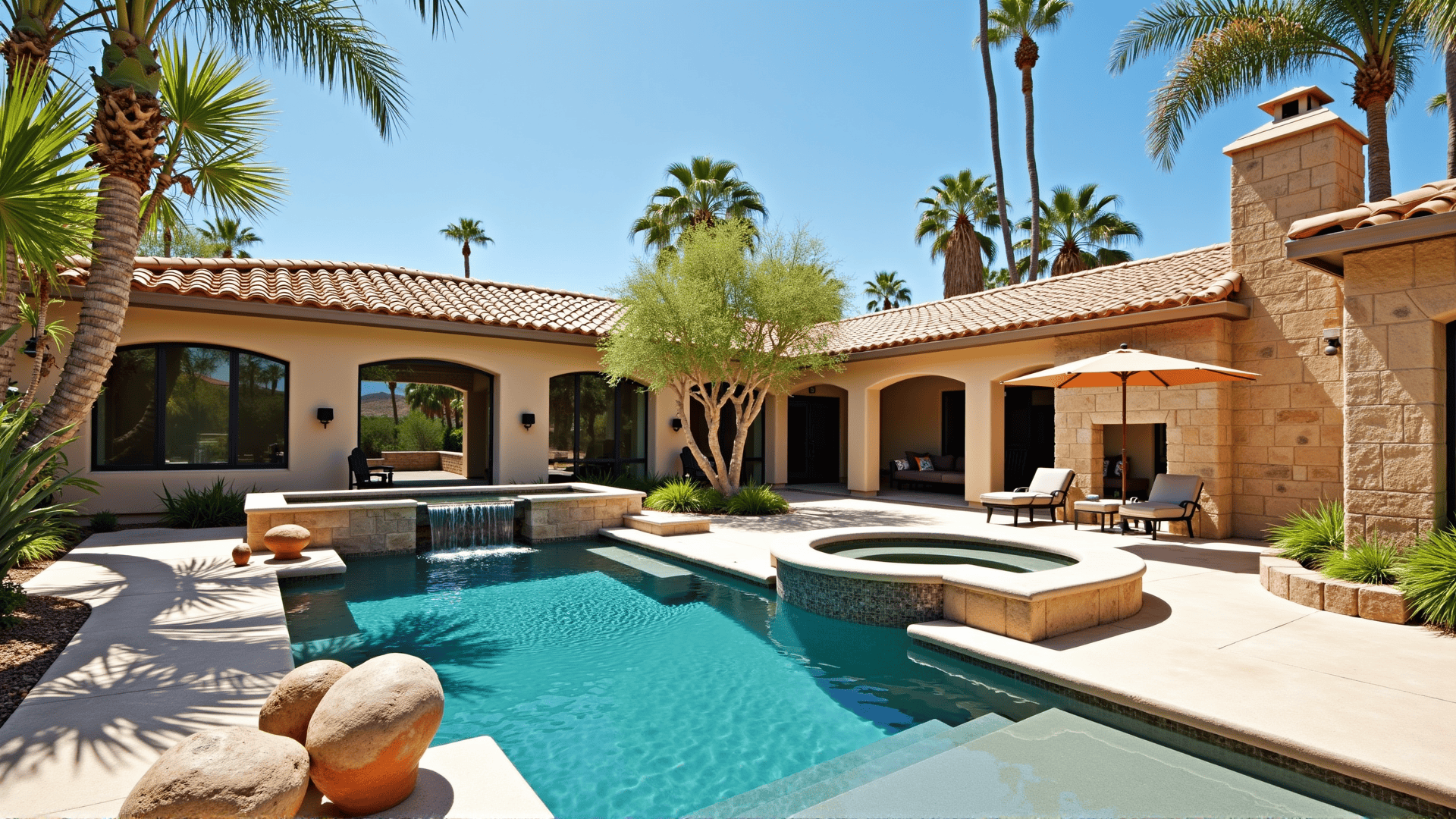

After years of translating homeowners' dreams into actual backyard havens, I've learned that material selection is where theory meets reality—and budget. Let me walk you through your options with both eyes wide open.
Traditional Pool Materials
Traditional pools typically utilize three primary building methods:
Concrete/Gunite Pools offer unparalleled design flexibility. Want a pool shaped like your company logo? Concrete can do that. Last month, I built a multi-level infinity edge pool on a challenging hillside lot—something only possible with concrete. The downside? They're the most expensive option upfront and require resurfacing every 10-15 years.
Fiberglass Shells come pre-manufactured and arrive at your home ready to drop into the ground. They're smooth to the touch (no scraped toes!), highly durable, and faster to install. Their limitation? You're restricted to the manufacturer's shapes and sizes. As I tell my clients: "It's like buying an off-the-rack suit versus having one tailored."
Vinyl Liner Pools strike a middle ground with customizable shapes at a lower price point. The catch is that liners typically need replacement every 7-10 years, which feels like it always happens right before you host that big summer party.
Natural Pool Construction
Natural pools generally employ two construction approaches:
One-Pot Design creates a single vessel with both swimming and regeneration zones separated by a submerged wall. This approach looks more natural and pond-like but requires careful planning to maintain water clarity in the swimming area.
Two-Pot Design physically separates the swimming and regeneration zones into distinct vessels with water pumped between them. This allows the swimming area to more closely resemble a traditional pool while the regeneration zone can be designed as a beautiful water garden feature.
Most natural pools utilize either an EPDM rubber liner or reinforced concrete sealed with a waterproof membrane. The regeneration zone requires specialized substrate layers for plant growth and filtration.
Space Requirements and Layout Considerations
This is where reality checks often happen. Traditional pools can be compact—I've installed beautiful plunge pools in spaces as small as 10' x 15'.
Natural pools demand more real estate. The regeneration zone typically needs to equal the swimming area, essentially doubling your space requirements. I recently designed a natural pool for a property where we nestled the regeneration zone around a bend in the yard, creating the illusion that the swimming area connected to a natural stream.
Aesthetic Integration
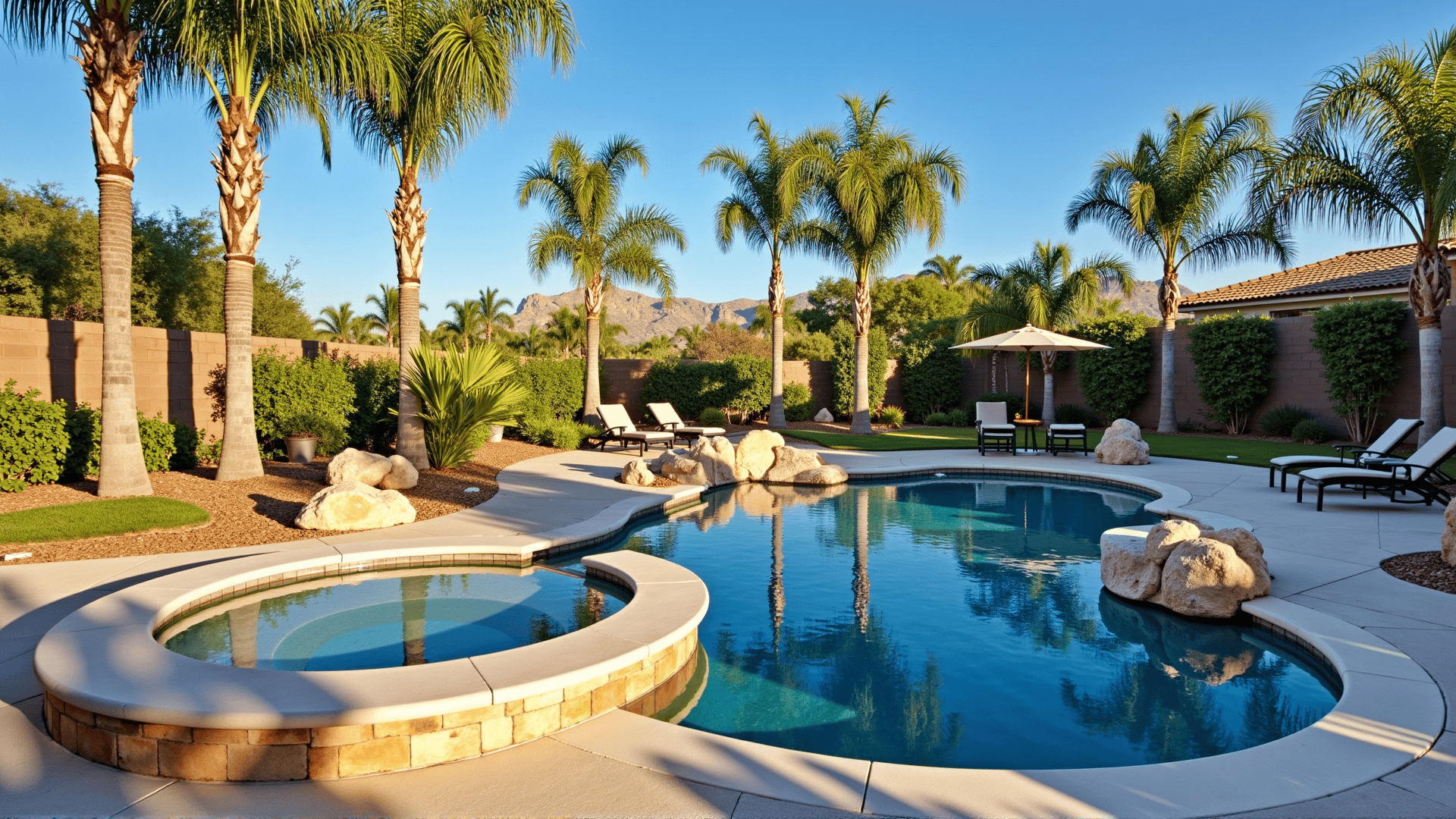
Traditional pools can be designed to look resort-like with traditional blue finishes, or more tropical with rock features and waterfalls.

Natural pools shine when it comes to landscape integration, appearing as though they've always been part of your property. I particularly enjoy designing these with native plantings that attract butterflies and dragonflies—turning your pool into both recreation space and wildlife habitat.
Remember, the most beautiful pool is one that looks like it belongs in your specific landscape—whether that's a sleek modern design or a naturalistic retreat.
The Battle for Clean Water: Two Different Philosophies
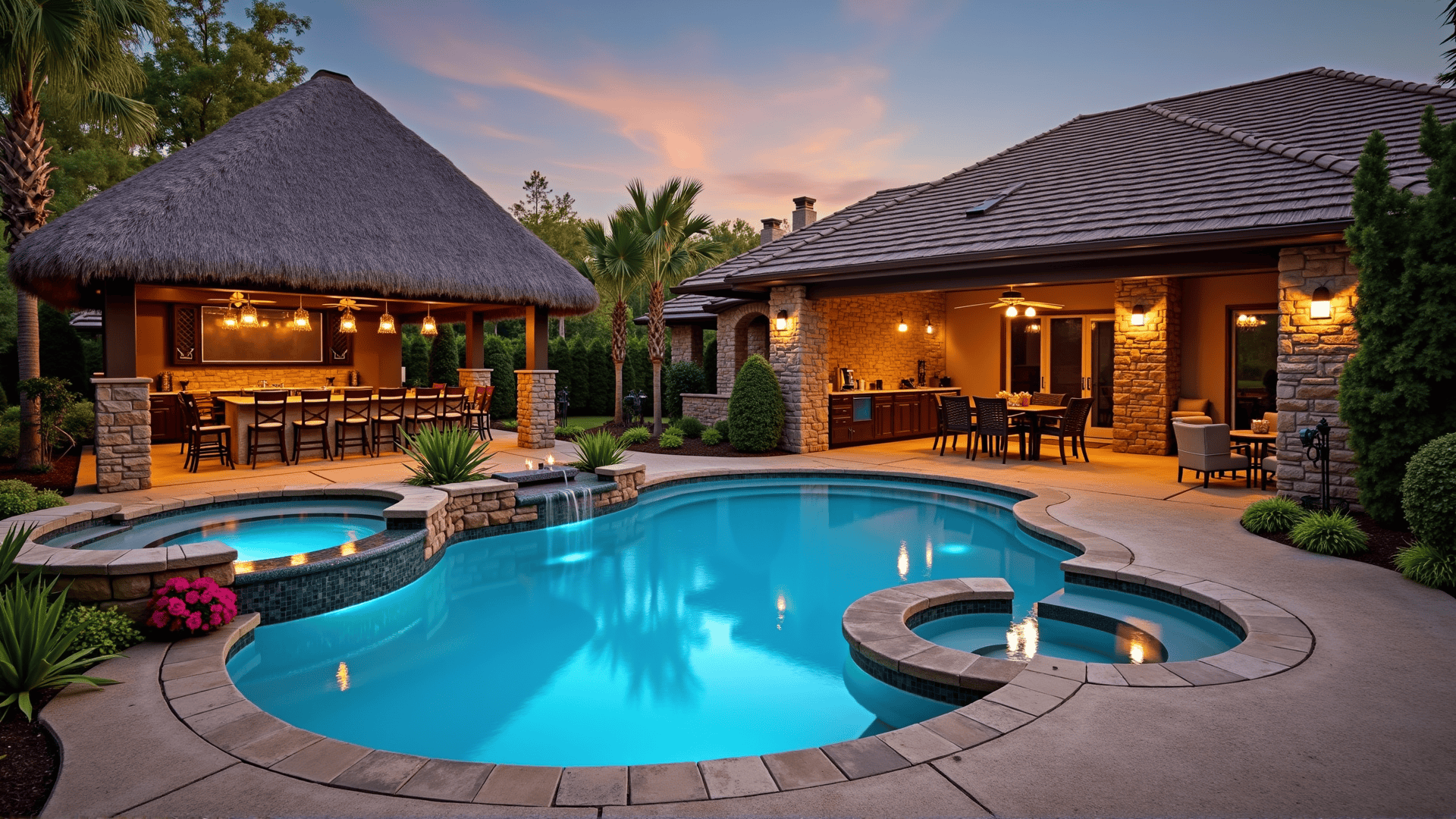
In my years of building pools, I've seen the light bulb moment countless times. It's when homeowners realize that maintaining a pool isn't just about skimming leaves it's about managing an entire water ecosystem. Let me break down how these two pool types handle the crucial task of keeping water safe and inviting.
Traditional Pool Purification: The Chemical Approach
Traditional pools operate like miniature water treatment plants in your backyard. Here's the system at work:
Chemical Sanitization: Chlorine (or bromine) acts as the front-line defender, killing bacteria, viruses, and algae on contact. Think of chlorine as your pool's immune system—constantly patrolling for invaders. Saltwater systems are still chlorine pools; they just generate chlorine from salt rather than you adding it directly.
Mechanical Filtration: Your pool pump circulates water through a filter (sand, cartridge, or DE) that captures physical contaminants. I often compare this to your pool's kidneys—constantly cleaning the water of impurities.
pH and Alkalinity Balancing: This chemical balancing act prevents corrosion, scaling, and ensures sanitizer effectiveness. When a homeowner tells me their chlorine "isn't working," it's usually because their pH is out of whack.
The Maintenance Reality: Weekly testing and chemical adjustments, regular filter cleaning, and occasional "shocking" with high doses of chlorine. I always tell new pool owners: "Plan to spend about 30-60 minutes per week on maintenance, or budget for professional service."
Natural Pool Purification: Nature’s Way
Natural pools mimic the purification systems of pristine mountain lakes or streams:
Biological Filtration: Beneficial microorganisms form a biofilm on the gravel substrate and plant roots, consuming nutrients and pathogens. This living filter gets more effective over time—unlike mechanical filters that degrade.
Plant-Based Purification: Aquatic plants in the regeneration zone absorb nutrients (particularly phosphates and nitrates) that would otherwise feed algae. I've watched water lilies, rushes, and irises transform murky water to crystal clear in just days.
Water Circulation: Low-energy pumps move water through the regeneration zone, ensuring continuous filtration. In well-designed systems, this gentle flow creates a pleasant ambient sound—nature's music.

The Maintenance Reality: Regular plant trimming, occasional skimming of debris, and infrequent cleaning of circulation systems. Natural pool owners typically spend less time on routine maintenance, but the tasks are more akin to gardening than chemistry.
The Practical Difference for Homeowners
The maintenance contrast is striking. For traditional pools, I provide clients with testing kits, chemical charts, and detailed schedules. For natural pools, I hand over pruning shears and a skimming net.
One family I worked with switched from a traditional to a natural pool after their children developed sensitivity to chlorine. Their maintenance routine changed from vigilant chemical monitoring to occasional plant care—a change they welcomed.
Ultimately, both systems can provide clean, safe water—they just reflect different philosophies about how to achieve that goal. Choose based on your comfort with chemistry versus biology, your environmental priorities, and whether you'd rather spend your maintenance time testing water or tending plants.
Beyond the Blue: Wellness and Ecological Impact of Your Pool Choice
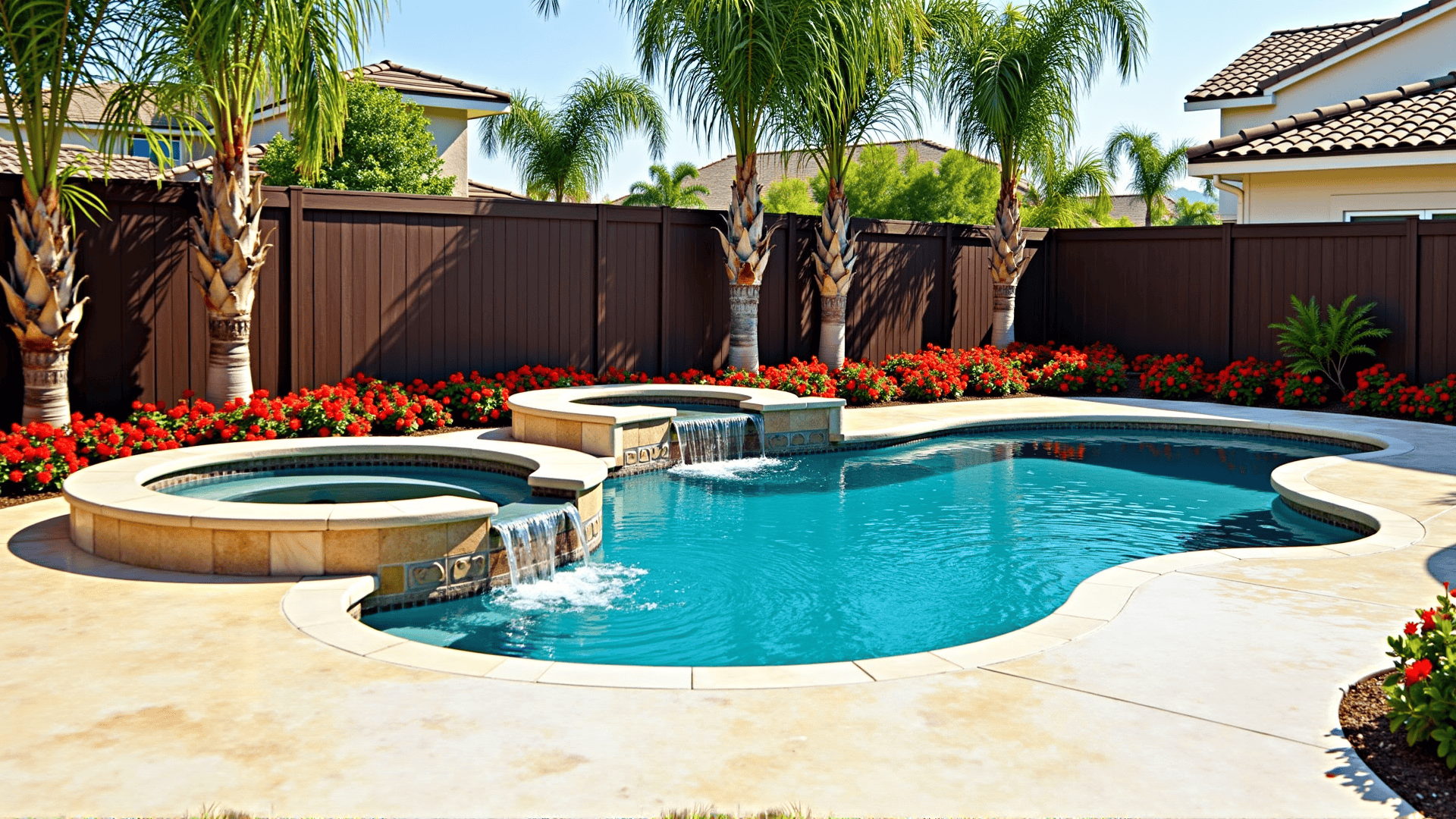
When I first started building pools in the late 90s, conversations rarely ventured into health impacts or environmental footprints. Today, these considerations often drive the decision-making process for educated homeowners. Let me share what decades in this industry has taught me about these crucial factors.
Personal Health: What Touches Your Skin Matters
Traditional Pools and Health
Chlorine has been the faithful guardian of pool hygiene for generations—it's effective and time-tested. However, it does come with trade-offs:
- Chemical Exposure: Chlorine can cause red eyes, dry skin, and brittle hair. I've had countless conversations with swimmers who accept these minor irritations as the "price of pool ownership."
- Respiratory Considerations: Indoor pools or poorly ventilated outdoor pools can create chloramines (chlorine combined with sweat and oils), which may aggravate asthma or breathing sensitivities.
- Health Management: Modern technology has improved this significantly. Salt systems, UV purification, and ozone treatments can reduce chemical exposure while maintaining safety.
Celebrity-Approved Los Angeles Pool Contractors Revealed: building a pool for a family with a child who had eczema. We implemented a UV system that allowed them to reduce chlorine levels by 60%, significantly improving their swimming experience.
Natural Pools and Health
Swimming in a natural pool offers a fundamentally different physical experience:
- Chemical-Free Immersion: Without chlorine or other synthetic sanitizers, the water feels noticeably softer and doesn't leave that familiar "pool smell" on your skin.
- Gentler on Sensitive Systems: People with chemical sensitivities or skin conditions often find natural pools more comfortable.
- Biological Balance: A properly functioning natural pool is microbiologically safe, though not sterile—much like swimming in a clean lake.
Environmental Impact: Your Backyard’s Ecological Footprint
These pools do require resources that impact our planet:
- Chemical Production and Disposal: Manufacturing and disposing of pool chemicals has environmental costs.
- Energy Consumption: Running pumps and heaters can significantly impact your home's energy usage—traditional pools often rank second only to HVAC in household energy consumption.
- Water Usage: Regular backwashing of filters and evaporation can consume thousands of gallons annually.
Natural Pools as Ecosystem Contributors
This is where natural pools truly shine:
- Habitat Creation: Natural pools support local wildlife—dragonflies, beneficial insects, and birds—creating a biodiversity hotspot in your yard.
- Lower Energy Requirements: Most natural pools use significantly less electricity, as their pumps typically run at lower flow rates for fewer hours.
- Water Conservation: These pools rarely need draining or significant water replacement.

One of my favorite moments was watching the transformation of a backyard after installing a natural pool. Within one season, the previously sterile lawn became a vibrant ecosystem with native wildflowers, pollinators, and even visits from herons—while providing the family with chemical-free swimming.
Your pool choice reflects your values around health and environmental stewardship. Whether you prioritize convenience and familiar maintenance or ecological integration and chemical reduction, understanding these impacts helps ensure your investment aligns with your family's priorities.
The Real Price Tag: Beyond the Sticker Shock
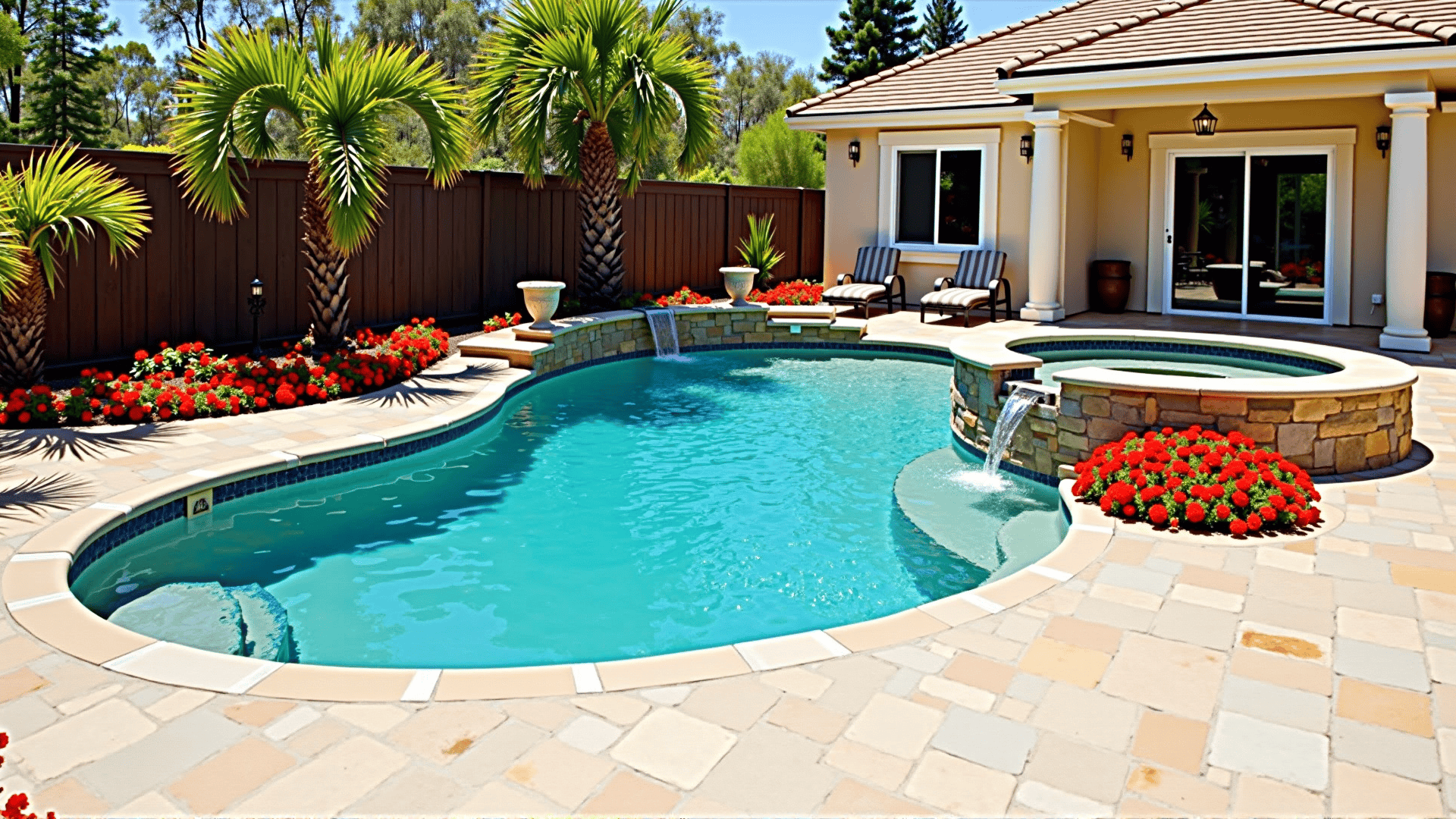
As someone who's guided hundreds of families through pool investments over the years, I've noticed one consistent pattern: people who focus solely on the initial price tag often end up spending more in the long run. Let me break down the true cost equation of both pool types based on what I've seen play out in real backyards across the country.
Upfront Construction Costs
Traditional Pool Initial Investment
- Vinyl liner pools: $35,000-$65,000
- Fiberglass shells: $45,000-$85,000
- Concrete/gunite: $50,000-$100,000+
The price variability here depends largely on size, features, and site conditions. That gorgeous infinity edge? It might add $15,000-$30,000. Building on a slope? Expect additional engineering costs.
Natural Pool Initial Investment
- Typical range: $60,000-$120,000+
Why the premium? Natural pools generally require more space (remember that regeneration zone), specialized design knowledge, and often more complex excavation to create natural-looking contours and plant zones.
I'm always transparent with my clients: If upfront cost is your only consideration, traditional pools—especially vinyl liner models—will almost always win the day. But that's not the whole story.
The Long-Term Equation
This is where the calculation gets interesting, and why I encourage clients to think in terms of 10-year ownership costs.
Traditional Pool Ongoing Expenses
- Chemicals: $400-$800 annually
- Electricity (pump, filter, lighting): $500-$1,200 annually
- Vinyl liner replacement (every 7-10 years): $4,000-$7,000
- Concrete resurfacing (every 10-15 years): $10,000-$15,000
- Professional service (optional): $1,200-$3,600 annually
Natural Pool Ongoing Expenses
- Electricity (low-power pumps): $150-$300 annually
- Plant maintenance/replacement: $100-$300 annually
- Professional ecological service (optional): $600-$1,500 annually
I once calculated a 15-year cost comparison for a homeowner torn between options. The natural pool had a $20,000 higher initial cost but saved approximately $35,000 over 15 years in reduced operational expenses—a net savings of $15,000.
Energy and Water Consumption
This is particularly relevant for environmentally-conscious homeowners:
Traditional pools typically require powerful pumps running 8+ hours daily during swim season. Add heating, and your energy bills can spike dramatically.
Natural pools use significantly less electricity—in my experience, about 60-80% less than traditional pools. Their pumps are smaller and often run intermittently rather than continuously.
Water consumption follows similar patterns. Traditional pools require periodic partial draining and refilling, plus regular backwashing of filters. Natural pools generally maintain their water level with only evaporation top-offs.
The Property Value Proposition
While both pool types can enhance property values, I've noticed an interesting trend: in luxury markets and environmentally-conscious communities, natural pools often command a premium as a distinctive feature that sets a property apart.
Remember, a pool is both a lifestyle investment and a financial decision. Choose based on your long-term plans, environmental priorities, and how you value the different swimming experiences each pool type offers.
Swimming Through the Seasons: How Your Pool Type Handles Climate Challenges

Having built pools across diverse climate zones—from frost-prone northern states to scorching dessert regions—I've learned that your location should significantly influence your pool choice. Let me share some real-world insights about how both pool types perform when Mother Nature throws her seasonal curveballs.
Year-Round Usability
Traditional pools excel at temperature control through mechanical means:
- Heating Options: Gas heaters can extend your swimming season by weeks or months, though at considerable operational cost. I've installed systems that can warm a pool from 60°F to 82°F in under 24 hours.
- Heat Pumps: More energy-efficient but slower to raise temperatures—ideal for maintaining warmth rather than rapid heating.
- Solar Heating: A fantastic middle ground, especially in sunny climates. One system I installed in a south-facing yard extended the client's swimming season by nearly eight weeks with minimal energy costs.
Natural Pools Through the Seasons
Natural pools respond differently to seasonal changes:
- Passive Solar Heating: The shallow regeneration zones warm naturally in sunlight, gradually transferring heat to the swimming area.
- Limited Heating Options: While you can install heat exchangers, natural pools generally resist rapid temperature changes—a blessing in hot weather but a limitation for extending swim seasons.
- Winter Transformation: Rather than shutting down for winter, natural pools freeze naturally without damage to their structure. Several of my clients use their frozen natural pools for ice skating in winter—truly year-round enjoyment!
Winterization Requirements
This is where the maintenance paths diverge significantly:
Traditional Pool Winterization
- Lowering water levels
- Adding winterizing chemicals
- Draining equipment
- Installing winter covers or safety covers
- Spring opening procedures (often requiring professional service)

I always remind my traditional pool clients: "Proper winterization isn't just about protecting your investment—it's about ensuring an easy opening next spring."
Natural Pool Winterization
- Minimal to none—these pools are designed to handle freezing
- Plants naturally die back and regenerate with spring warmth
- No chemicals or special covers required
- Most pumps need simple protection from freezing
A professional tip from experience: While natural pools require less winterization, they benefit from fall cleanup of excess plant material to prevent excessive decomposition during dormant months.
Regional Suitability Factors
Hot, Sunny Climates
- Traditional pools may require additional algae prevention measures and evaporation management.
- Natural pools thrive with abundant sunlight for plant growth but need enough plant coverage to prevent algae blooms.
Cold, Northern Climates
- Traditional pools have shorter usable seasons without significant heating expenses.
- Natural pools experience longer dormant periods for plants but still function effectively upon thawing.
After installing both pool types in various climates, I've found that regional adaptability comes down to design expertise more than inherent limitations of either pool type. With proper design adjustments, both can succeed in most climates—though the operational costs and seasonal usability will vary considerably.
Your climate should influence not just your pool choice, but also specific design elements that maximize enjoyment throughout your region's unique seasonal patterns.
Beyond Theory: Real-World Considerations for Your Pool Investment

After guiding hundreds of homeowners through the pool selection process, I've noticed that theoretical comparisons eventually give way to practical realities. Let me share the critical decision factors that should inform your choice based on your specific situation.
Space Availability Assessment
This is often the first filter in the decision process:
Traditional Pools can work in spaces as small as 400 square feet. I once designed a 10' x 15' plunge pool for a townhome that transformed a postage-stamp yard into a refreshing retreat.
Natural Pools generally require at least 800-1000 square feet minimum due to the regeneration zone requirements. The rule of thumb: if your planned swimming area is 400 square feet, you'll need approximately the same additional space for the regeneration zone.
Behind the Design Top Los Angeles Pool Builder Reveals All: Walk your yard with stakes and string to physically mark out the proposed pool footprint. This visualization exercise has saved many homeowners from committing to a size that overwhelms their outdoor living space.
Lifestyle and Usage Patterns

Your honest assessment of how you'll use the pool should guide your decision:
Traditional Pools Shine For:
- Families with competitive swimmers who need lane lines
- Households that entertain frequently and value consistent water clarity
- Those who prefer warmer water temperatures (easily heated)
- Homeowners who want "turn-key" swimming with minimal engagement
Natural Pools Excel For:
- Nature enthusiasts who value the wildlife habitat aspects
- Those seeking a chemical-free swimming experience
- Families interested in educational aspects of ecosystem management
- Homeowners who enjoy gardening and biological engagement
I always ask clients: "Imagine your perfect Saturday by the pool. What are you doing? Who's there? What's the experience like?" Their answers often reveal their true priorities better than technical discussions.
Aesthetic Preferences and Property Integration
How your pool looks within your landscape matters enormously for long-term satisfaction:
Traditional Pools offer clean lines and a manicured appearance that complements architectural landscapes and formal designs. They can be visually striking with dramatic lighting, tile work, and water features.
Natural Pools create a naturalistic focal point that integrates with the surrounding landscape. They change with the seasons as plants bloom, grow, and go dormant, providing a dynamic visual element.
I built adjacent pools for neighbors once—a traditional pool for one family and a natural pool for the other. What fascinated me was how each perfectly expressed the homeowners' broader aesthetic sensibilities. The traditional pool family had a meticulously maintained formal garden, while the natural pool owners had embraced native landscaping throughout their property.
The Honest Self-Assessment
The most crucial question I ask potential pool owners requires brutal honesty: "How much ongoing involvement do you want with your pool?"
If you see pool maintenance as a chore to minimize, traditional pools with automation and professional service might be your path. If you view your outdoor space as a living system to engage with, a natural pool offers a deeper connection to ecological processes.
There's no universally "better" choice—only the right choice for your specific property, lifestyle priorities, and personal values.
Choosing the Right Pool for Your Lifestyle
After years of transforming backyards into personal oases, we've learned that the perfect pool isn't about following trends—it's about aligning with your values, lifestyle, and property.

Whether you gravitate toward the chemical efficiency of traditional pools or the ecological harmony of natural systems, the most important factor is working with experienced builders who understand both approaches deeply.
At Designer Custom Pools, we've mastered both traditional and natural pool construction, allowing us to objectively guide you toward the solution that truly fits your family's needs. Our expertise ensures that whichever direction you choose, the execution will be flawless. Your backyard deserves more than a cookie-cutter approach. It deserves a thoughtful design process that considers your space, environmental priorities, maintenance preferences, and aesthetic vision.
Ready to take the next step toward your perfect backyard retreat? Our design consultants are prepared to walk you through the options, answer your questions, and help you make an informed decision without pressure.
Call us today at (310) 261-2440 to schedule your complimentary design consultation, or visit our contact page to request more information. Let's transform your backyard dreams into a refreshing reality that you'll enjoy for decades to come.