Modern vs. Classic Pool Designs: Blending Aesthetics with Functionality for Year-Round Enjoyment
Choosing between modern and classic pool designs means balancing sleek, geometric precision against timeless, organic elegance. Modern pools feature clean lines, minimalist aesthetics, and cutting-edge technologies like infinity edges and smart automation.
Classic pools embrace softer curves, natural materials, and traditional elements that have stood the test of time. The right choice depends on your home's architecture, how you'll use the space, and your personal style preferences. Materials and finishes—from glass tile to natural stone—set the tone, while water features and technology transform your experience from simple swimming to multi-sensory enjoyment.
The surrounding decking and landscaping complete the look, creating a cohesive outdoor living space that reflects your lifestyle. While costs vary between styles, both can add significant value when thoughtfully designed. The most successful pools often thoughtfully blend elements from both aesthetics, creating personalized spaces that function beautifully across all seasons. At Designer Custom Pools, our 48 years of experience ensures that whether you prefer contemporary minimalism, traditional elegance, or a customized blend, your backyard oasis will provide beauty and enjoyment for decades to come.
Defining Modern and Classic Pool Aesthetics

As someone who has spent over two decades helping homeowners transform their backyards into personal paradises, I've noticed one question consistently surfaces during initial consultations: "Should we go modern or classic with our pool design?" It's a bit like choosing between a sleek Tesla and a vintage Mustang—both are beautiful, but they speak different design languages.
Modern Pool Aesthetics: Clean, Bold, and Architectural
Modern pool designs embrace minimalism with confidence. Think of them as the architectural equivalent of that perfectly tailored suit nothing excessive, just precision and intention in every line. These pools typically feature:
- Geometric shapes with sharp angles - Rectangles and squares dominate, often with crisp 90-degree corners that create a bold statement
- Clean, uninterrupted sightlines - Less visual clutter means your eye can travel smoothly across the water's surface
- Monochromatic color schemes - Dark blues, sleek blacks, and neutral grays create a sophisticated water surface that can mirror the sky beautifully
I recently completed a project for a tech executive in the hills overlooking the city. He wanted something that would complement his contemporary home. We designed a rectangular pool with an infinity edge that visually connected with the horizon. The dark interior finish made the water appear as a sheet of polished obsidian. The result was breathtaking—architectural and purposeful, just like the home it accompanied.
Classic Pool Aesthetics: Timeless, Organic, and Inviting
Classic pool designs, on the other hand, embrace a more traditional sensibility. They're like that perfect Sunday dinner—comfortable, welcoming, and satisfying. These pools typically showcase:
- Curved edges and organic shapes - Kidney, freeform, or Roman-end designs that feel less rigid and more natural
- Softer transitions - Gentle slopes and rounded steps that feel inviting rather than architectural
- Traditional blue color palettes - Light to medium blues that evoke tropical waters and create a refreshing visual
Last summer, I worked with a family who wanted their pool to feel like a natural extension of their Colonial-style home. We crafted a classic Roman-end design with curved steps and traditional coping. The light blue finish sparkled in the sunlight, creating that quintessential "pool blue" that has been delighting homeowners for generations.
Which Is Right For You?
Your choice ultimately depends on three key factors:
- Your home's architecture - Your pool should complement your home, not fight with it
- How you plan to use the space - Entertaining, family fun, exercise, or relaxation
- Your personal aesthetic preferences - What genuinely makes you happy when you look at it
Remember, while design trends come and go, you'll be living with your pool for decades. The most successful projects I've completed have always been those where the homeowner chose the style that genuinely resonated with them, rather than simply following current trends.

Whether you choose the architectural precision of modern design or the timeless comfort of classic aesthetics, the perfect pool is one that makes you smile every time you look out your window.
Shapes and Layouts: Form Meets Function
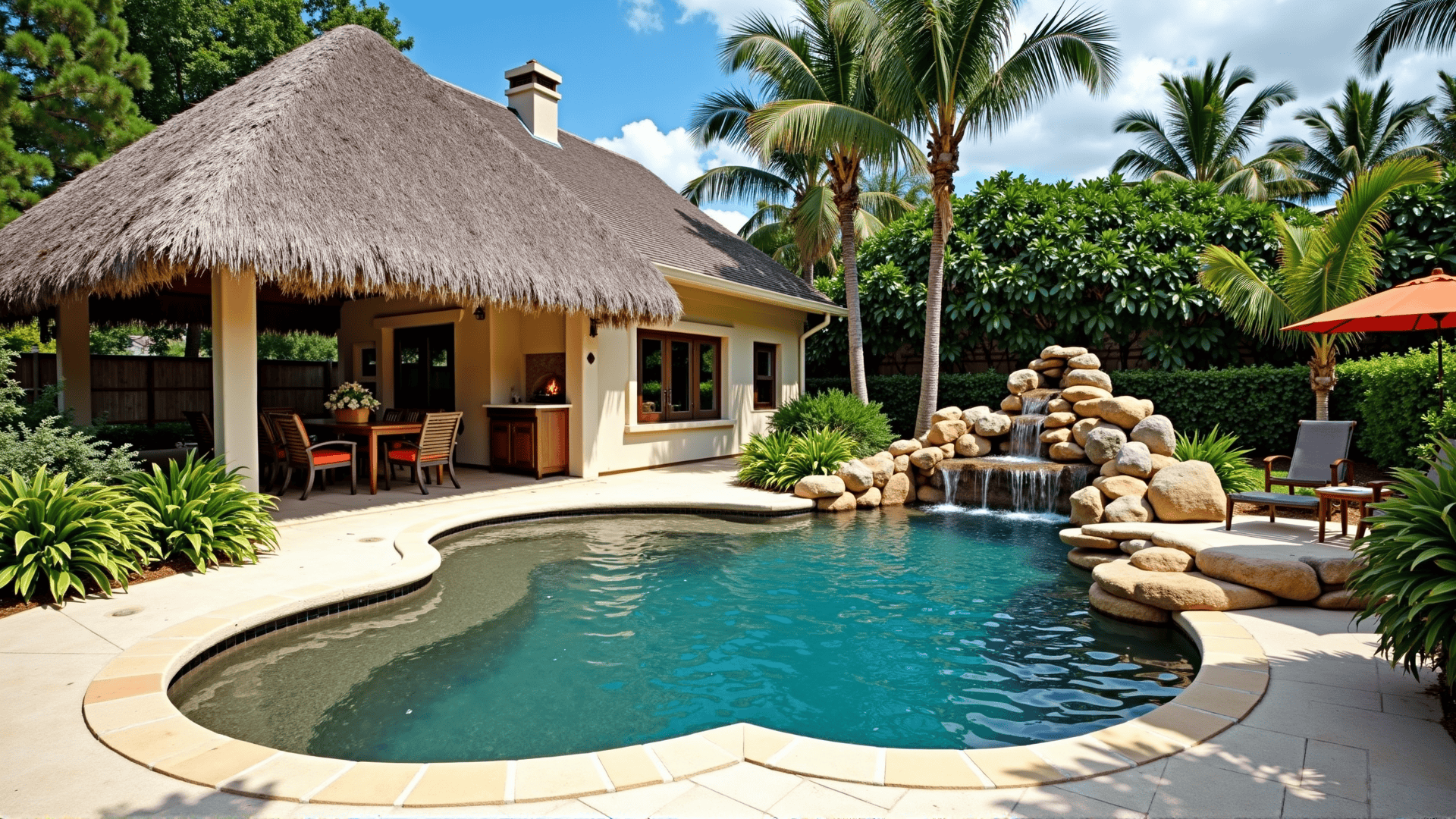
In my years of building custom pools, I've learned that a pool's shape is far more than just aesthetics—it's about how your family will live with that pool for decades to come. Think of your pool shape like the floor plan of your home: it determines traffic flow, functionality, and ultimately, your enjoyment.
Modern Pool Shapes: Precision With Purpose
Modern pool designs typically embrace geometric precision:
Rectangular Pools - The sophisticated workhorse of modern designs. I've installed countless rectangular pools for professionals who want both form and function. These pools excel for lap swimming and games like volleyball, with clear boundaries that make them versatile entertainment spaces.
L-Shaped Pools - One of my favorite layouts for families with varied needs. The design naturally creates separate zones—one for active play and another for quiet relaxation. Last year, I designed an L-shaped pool where parents could enjoy cocktails in the shorter leg while keeping an eye on children playing in the longer section.
Infinity Edges - Nothing makes a statement quite like an infinity edge. These create a visual connection between your pool and the surrounding landscape, making your water appear to merge with the horizon. They're particularly stunning on properties with views, though they do require specific terrain conditions and additional engineering.
Classic Pool Shapes: Timeless Appeal
Classic designs offer softer, more organic approaches:
Kidney-Shaped Pools - These curved designs feel natural in landscaped settings. The inward curve creates a perfect spot for steps or a beach entry, while the outward curve accommodates a deeper end. They've remained popular for decades because they simply work well with the human form.
Roman-End Pools - A beautiful marriage between modern and classic. The straight sides provide swimming lanes while the curved ends offer perfect spots for entry steps or seating areas. I recently completed a Roman-end pool for a history professor that complemented their Mediterranean-style home perfectly.
Freeform Pools - These custom-shaped pools mimic natural bodies of water. They're ideal for creating a lagoon-like retreat, especially when paired with rock features and lush landscaping. While less ideal for lap swimming, they excel at creating resort-like environments in your backyard.
Choosing Your Perfect Shape
When guiding clients through shape selection, I always ask these key questions:
- How will you primarily use the pool? Fitness swimmers need lanes, while entertainers need conversation areas.
- What's your yard's size and shape? Some designs require more space than others. What's your home's
- architectural style? Your pool should feel like an extension of your home.
I once worked with a surgeon who initially wanted a freeform pool because he thought it looked more "natural." After discussing his family's needs, however, we realized they needed the functionality of a rectangle for their teenage competitive swimmers. We found middle ground with a classic Roman-end design that offered both straight swimming lanes and curved areas for socializing.

Remember, the perfect pool shape is one that serves your lifestyle today while being versatile enough to adapt as your family's needs evolve over time.
Materials and Finishes: Setting the Tone
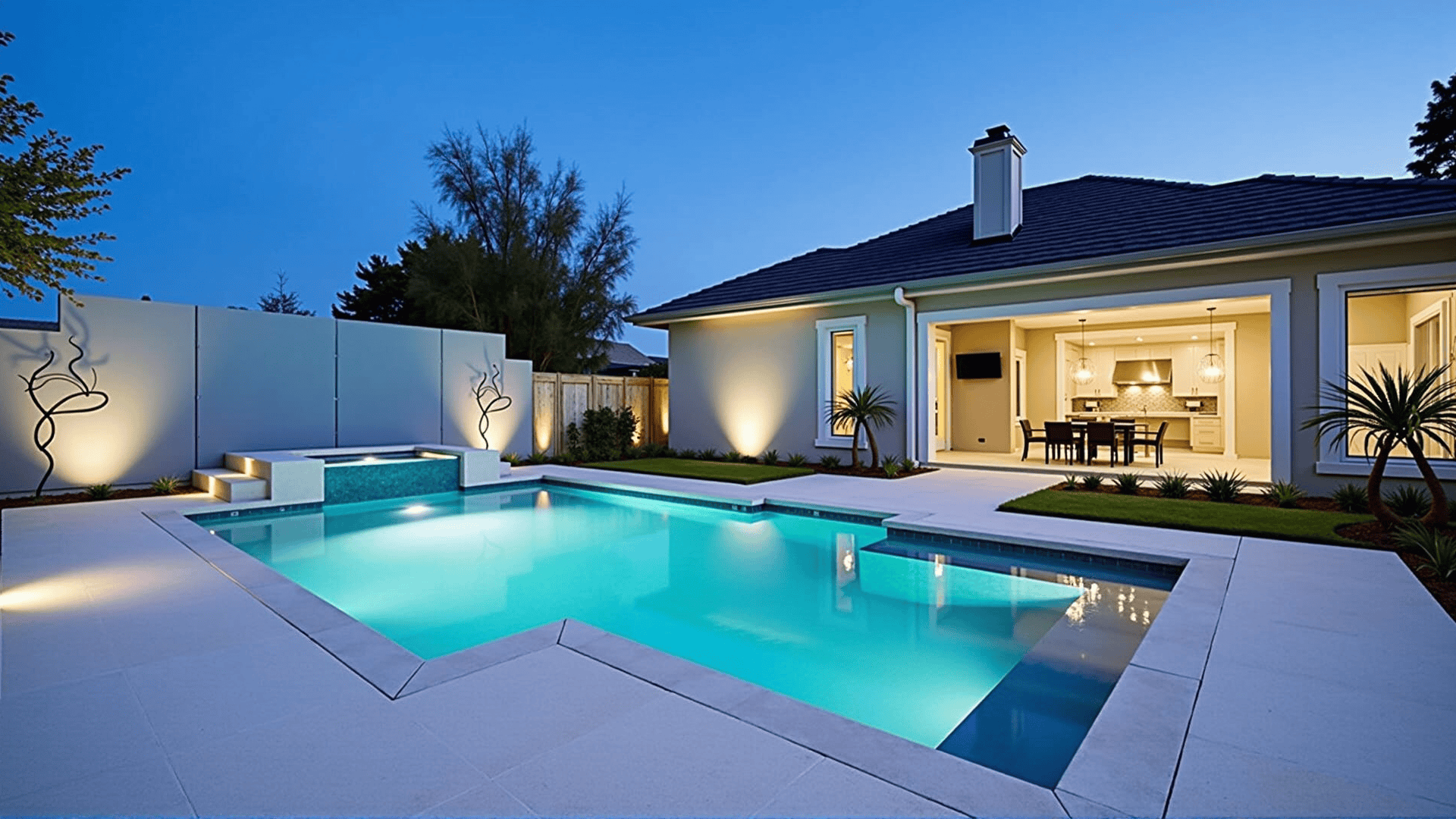
If shapes determine how your pool functions, then materials and finishes determine how your pool feels. After building hundreds of custom pools, I can tell you that the materials you select are like choosing between cotton, silk, or denim—they each create a distinctly different experience and set a unique tone for your backyard retreat.
Modern Pool Materials: Sleek Sophistication
Modern pool designs often embrace materials that feel contemporary and architectural:
Glass Tile - Nothing creates a luxurious, reflective surface quite like glass tile. I've installed stunning sapphire and emerald glass tile finishes that shimmer like jewels under the sunlight. While they represent the higher end of the budget spectrum, the visual impact is unmatched—especially for infinity edge or negative edge pools where the water surface becomes a focal point.
Dark Plaster Finishes - One of the most dramatic transformations I've witnessed is switching a pool from traditional light blue to a deep charcoal or navy finish. These darker surfaces create mirror-like reflections and give water a sophisticated, almost architectural presence. As a bonus, dark finishes absorb more solar heat, potentially extending your swimming season.
Porcelain and Large-Format Tiles - For deck surrounds, large-format porcelain pavers have revolutionized modern pool design. They offer the look of natural stone without the heat retention (your bare feet will thank you in July!) and maintenance issues. I particularly love the 24" x 24" or larger formats that create a clean, minimalist surround with fewer grout lines.
Classic Pool Materials: Timeless Elegance
Classic designs typically feature materials with established pedigrees:
Traditional White Plaster - There's something undeniably appealing about the classic light blue water created by white plaster. It's been the go-to finish for generations, creating that quintessential "pool blue" we all recognize. While requiring more maintenance than some newer alternatives, many homeowners still prefer this traditional look.
Natural Stone Coping and Decking - Materials like travertine, limestone, and sandstone have stood the test of time for good reason. I recently completed a project using honey-colored limestone that beautifully complemented a Mediterranean-style home, creating a warm, inviting pool space that felt established rather than newly built.
Ceramic Tile Waterlines - A six-inch band of decorative ceramic tile at the waterline isn't just practical (it makes cleaning easier); it adds a touch of personality. For classic pools, I often recommend Mediterranean-inspired patterns or solid blues that enhance the traditional aesthetic.
Finding Your Perfect Palette
When I sit down with clients to discuss materials, I always bring samples to their home and view them in natural light. What looks perfect in a showroom can read completely differently in your backyard's specific lighting conditions.
Consider these factors when selecting materials:
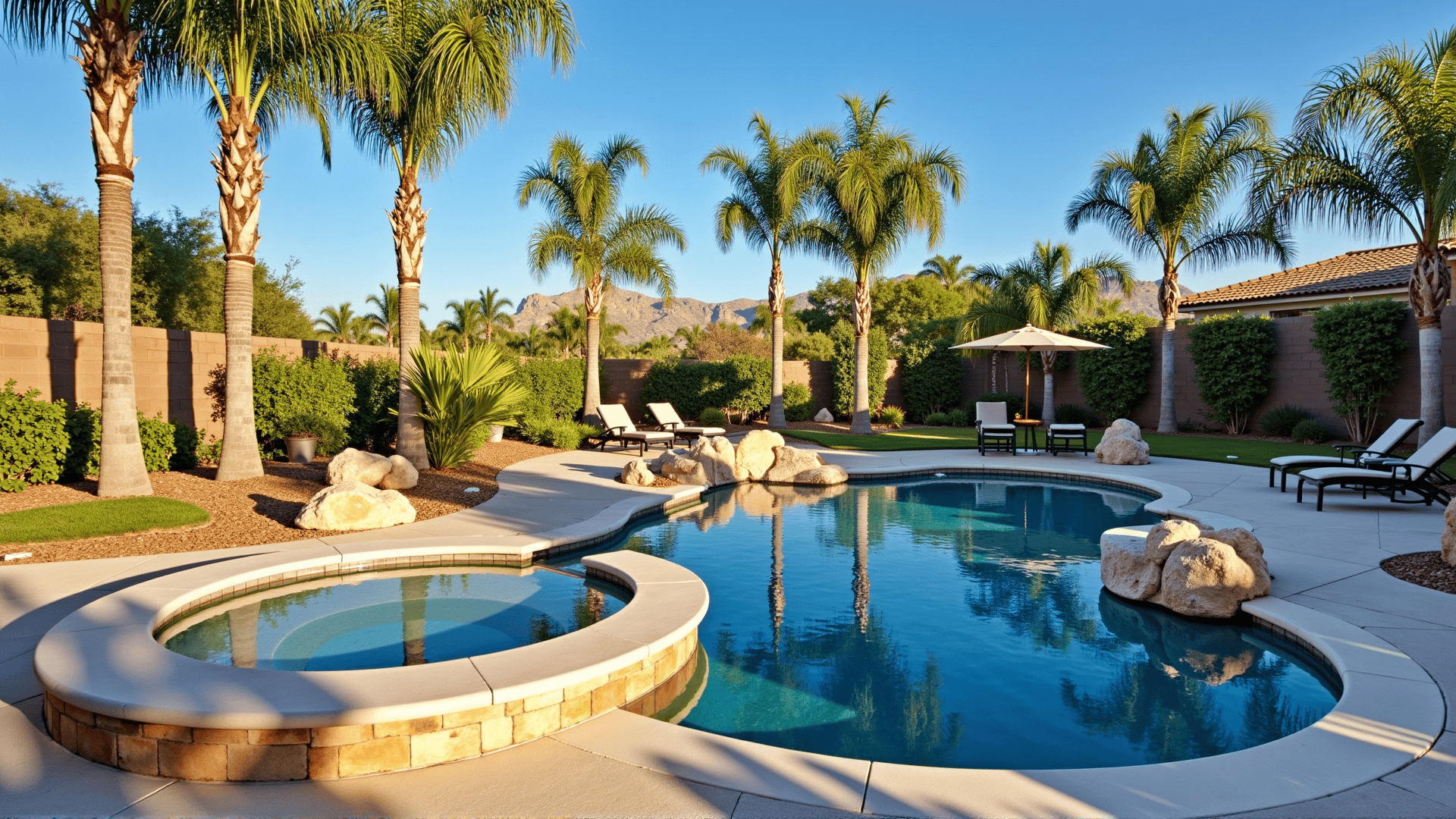
- Climate considerations - Some materials retain more heat than others, an important factor in hot climates.
- Maintenance commitment - Certain finishes require more regular care than others.
- Longevity vs. initial investment - Sometimes spending more upfront means spending less over the life of your pool.
Remember that while pool trends come and go, the materials you select will determine your daily experience with your pool for years to come. Choose wisely, and your pool will remain a source of joy and pride long after the construction dust settles.
Water Features and Technology

If the pool itself is the canvas, then water features and technology are the artistic flourishes that bring your aquatic masterpiece to life. After designing countless backyard retreats, I've seen firsthand how the right features can transform a simple swimming pool into an immersive sensory experience.
Modern Innovations: Precision and Control
Modern pool designs often incorporate technology-forward features that emphasize clean lines and customization:
Infinity Edges - Nothing makes a statement quite like water that seems to vanish into the horizon. I recently completed an infinity edge overlooking a valley that created such a seamless visual connection with the distant landscape that guests would actually gasp when seeing it for the first time. While they require specific site conditions and additional engineering, the visual impact is unparalleled.
LED Lighting Systems - Today's LED technology allows for incredible customization. Imagine pressing a button on your phone to transform your pool from tranquil blue to energetic magenta for evening entertaining. I've installed systems that synchronize with music for impromptu light shows that absolutely delight both children and adults alike.
Smart Automation - Pool ownership has never been easier thanks to automation. My clients particularly appreciate being able to adjust heating, lighting, and water features remotely. One busy executive I work with regularly warms his spa during his commute home, ensuring it's the perfect temperature upon arrival. These systems can also monitor chemical levels and even detect potential issues before they become problems.
Fire and Water Combinations - The elemental contrast between fire and water creates dramatic visual interest. Sleek fire bowls or linear fire features alongside modern pool edges have become signature elements in my recent designs, creating focal points that transition beautifully from day to night use.
Classic Elements: Natural Harmony
Classic designs typically feature water elements that feel organic and timeless:
Waterfalls and Rock Features - There's something primal about the sound of falling water. Natural stone waterfalls not only provide visual interest but also deliver soothing white noise that masks neighborhood sounds. I've created everything from subtle weeping walls to dramatic multi-tier falls that transform backyards into private resorts.
Deck Jets and Laminar Flows - These features create elegant arcs of water that can be illuminated for nighttime drama. What makes them particularly versatile is their ability to be turned off when not desired, unlike permanent structural features.
Bubblers and Fountains - Simple fountains in shallow areas add movement and sound without overwhelming the design. They're particularly popular in family pools, as children are naturally drawn to the playful water interaction they provide.

Integrated Spas - While spas work with both design approaches, classic pools often feature spas with natural stone surrounds and gentle spillways that create a relaxing auditory experience.
Finding Your Perfect Balance
The key to successful water features is restraint. As I often tell my clients, "Just because you can add every feature doesn't mean you should." Instead, select elements that:
- Enhance how you'll use the space - Will you primarily entertain, relax, or both?
- Complement your maintenance comfort level - More features generally mean more maintenance.
- Work with your local climate - Some features perform better in certain weather conditions.
Limited Availability: Book this Los Angeles Pool Builder Now: When thoughtfully integrated, the right water features and technology don't just beautify your pool—they fundamentally transform how you experience your entire outdoor living space.
Decking and Surroundings: Completing the Look

If the pool is the star of your backyard show, then the decking and surroundings are the supporting cast that can either elevate your pool to award-winning status or leave it feeling somehow incomplete. After three decades of transforming ordinary backyards into extraordinary outdoor living spaces, I've come to appreciate that what happens around the pool is just as important as the pool itself.
Modern Hardscaping: Clean Lines and Contemporary Materials
Modern pool surroundings embrace minimalism and architectural elements:
Poured Concrete Decking - Not your grandfather's concrete! Today's decorative concrete offers incredible design flexibility. I recently completed a project using a sand- colored concrete with a subtle exposed aggregate finish that perfectly complemented the home's modern aesthetic while providing excellent slip resistance. The large, uninterrupted sections created clean lines that echoed the pool's geometric form.
Large-Format Pavers - 24" x 24" or even larger porcelain pavers have revolutionized modern pool surroundings. They create fewer grout lines for a sleeker appearance and often offer better heat reflection than natural stone—something your bare feet will appreciate on hot summer days. I'm particularly fond of the new wood-look porcelain pavers that provide the warmth of timber without the maintenance issues.
Integrated Planters - Rather than separating the landscape from the hardscape, modern designs often incorporate precisely placed planters within the deck itself. I like to use these architectural elements to frame specific views or create privacy exactly where needed.
Classic Surroundings: Natural Materials and Lush Landscaping
Classic pool environments tend to embrace a more organic approach:
Natural Stone Decking - Materials like travertine, limestone, and flagstone have stood the test of time for good reason. They stay cooler underfoot than many alternatives and weather gracefully over time. I often tell clients that natural stone is like fine leather—it develops a beautiful patina that actually enhances its appearance as it ages.
Brick and Pavers - Traditional clay brick or concrete pavers in classic patterns (herringbone, basketweave, or running bond) create a timeless look that complements historic or traditional home styles. I recently completed a pool surround using reclaimed brick that looked as though it had been there for a century—the perfect complement to a Colonial-style home.

Abundant Landscaping - Where modern surroundings might feature sparse, strategic plantings, classic pool environments often embrace lush, layered landscaping. Think flowering shrubs, ornamental grasses, and perhaps even fruit trees that provide not just beauty but also privacy and shade.
Finding Your Perfect Balance
The key to successful pool surroundings is creating cohesion between your home, pool, and landscape. I always advise clients to:
- Consider how the materials weather in your climate - What looks perfect on installation day should still look beautiful five years later.
- Balance practicality with aesthetics - The most beautiful stone isn't worth much if it becomes dangerously slippery when wet.
- Create conversation areas - Design with furniture groupings in mind, not as an afterthought.
One of my favorite projects involved a challenging sloped site where we created three distinct terraced areas: the pool deck for sunbathing, a covered outdoor kitchen for dining, and a lower conversation pit with a fire feature for evening relaxation. The homeowners later told me they use their outdoor space more than their living room!
Remember, your pool surroundings aren't just about framing your water feature—they're about creating a complete outdoor living experience that will serve your lifestyle for years to come
Cost Considerations and Value
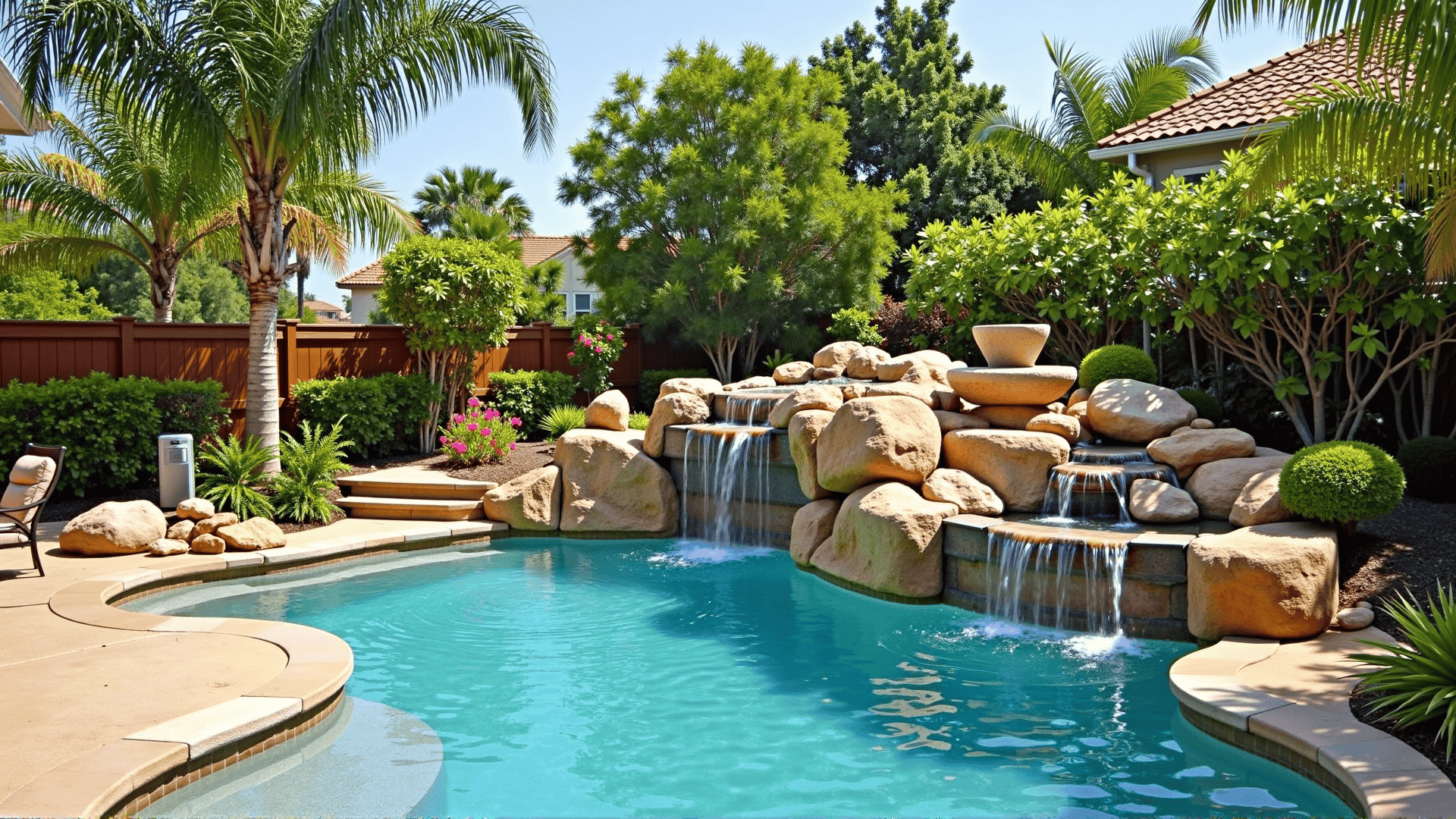
Let's talk about the elephant in the backyard—cost. After guiding hundreds of homeowners through pool projects, I've learned that understanding the financial aspects of pool ownership is just as important as picking the perfect tile. Building a pool is like buying a luxury car; there's the sticker price, but also ongoing costs that impact your total investment.
Modern vs. Classic: Initial Investment Differences
Modern Pool Investments: Modern pool designs often come with a higher initial price tag, and it's not just about aesthetics. The precision engineering required for features like infinity edges can add $15,000-$35,000 to your project. Glass tile finishes, while stunning, can cost 3-4 times more than traditional plaster.
However, many modern pools incorporate energy-efficient systems that can reduce long-term operating costs. Variable-speed pumps, for instance, might add $1,000 upfront but can save you $300-$500 annually on your electric bill. As someone who has built pools for nearly three decades, I can attest that these savings compound significantly over a pool's lifetime.
Classic Pool Investments: Classic pool designs typically offer more flexibility in budget. While you can certainly create a high-end classic pool with premium materials, there are also more moderate options that don't compromise fundamental quality.
For example, a traditional white plaster finish costs substantially less than quartz or pebble finishes. Natural stone coping is available in various price points, from premium imported travertine to more affordable domestic limestone.
Long-Term Maintenance Implications
This is where the calculation gets interesting. Modern minimalist designs often feature fewer water features and architectural elements, which can mean fewer components to maintain. However, specialized features like infinity edges require additional pumps and precise water levels.
Classic pools with features like waterfalls and rock work may require more routine attention to keep looking their best. I always remind my clients that the charming ivy growing on your stone grotto will need regular trimming to prevent it from becoming the plant that ate your pool house!
From my experience, annual maintenance costs typically range from 1-2% of your initial investment, regardless of style. The difference lies more in your material choices than in whether you go modern or classic.
Return on Investment Considerations
Both modern and classic pools can add significant value to your property, but context matters enormously. In my experience:
- Modern pools tend to yield better ROI in neighborhoods with contemporary architecture and higher-end homes
- Classic pools often provide better returns in established neighborhoods with traditional architectural styles
The worst investment decision? Installing a pool that clashes dramatically with your home's style. I've seen stunning modern pools paired with Tudor-style homes that confused potential buyers and ultimately reduced the property's marketability.
Making a Value-Based Decision
After decades in this business, my advice is straightforward: calculate both the immediate costs and long-term ownership expenses, but ultimately, the best value comes from choosing a pool that brings your family joy for years to come.
Remember that a well-designed pool isn't just a hole filled with water—it's an extension of your home and lifestyle. The real return on investment is measured in family memories, stress-reducing sunsets, and the simple pleasure of stepping into your own personal oasis after a long day.
Choosing the Right Style for Your Lifestyle

After designing and building over 500 pools throughout my career, I've discovered that the most successful projects aren't necessarily the most expensive or the most photogenic—they're the ones that seamlessly integrate with how the homeowners actually live. Your pool should fit your life like a tailored suit, not force you to adjust to its limitations.
Family-Friendly Considerations
Modern Family Pools Modern designs can work beautifully for families when thoughtfully planned. I often recommend:
- Beach entries - Gradually sloping floors that mimic shorelines provide safe access for toddlers
- Defined shallow areas - Geometric modern designs can incorporate clearly delineated shallow zones
- Ample deck space - Clean, minimalist surrounds provide plenty of room for water toys and monitoring children
One of my favorite recent projects was a sleek rectangular pool with a substantial tanning ledge that served as both a chic lounging area for parents and a safe splash zone for their young children. The geometric shape also provided clear visibility across the entire water surface—a safety feature that's worth its weight in gold.
Classic Family Pools Traditional pool designs often naturally accommodate family needs:
- Gradual depth changes - Classic kidney or freeform shapes typically feature gradual transitions from shallow to deep
- Natural rock features - These aren't just decorative; they become launching pads for cannonballs and play areas
- Spacious shallow ends - Perfect for water volleyball and pool games
Entertainment and Social Factors
If you love to entertain, your pool design should support your hosting style:
Modern Entertainment Spaces For the contemporary host, consider:
- Integrated seating - Built-in ledges and platforms create conversation spaces in the water
- Linear fire features - These parallel the pool's edge and create dramatic nighttime ambiance
- Seamless indoor-outdoor transitions - Especially effective for homes with large sliding doors to pool areas
Classic Entertainment Spaces For a more traditional approach to hospitality:
- Multiple gathering areas - Curved pool shapes naturally create distinct conversation zones
- Swim-up bars - These nostalgic features are making a comeback, especially in pools with integrated spas
- Generous patio space - Traditional designs often incorporate extensive hardscaping for furniture groupings
Matching Design to Usage Patterns
Be honest about how you'll actually use your pool:

Exercise and Wellness If fitness is your priority, modern rectangular designs typically win, offering:
- Unobstructed lap lanes
- Consistent depths for water aerobics
- Cleaner edges for attaching exercise equipment
Relaxation and Stress Relief For therapeutic use, classic designs often excel, featuring:
- Organic shapes that feel less regimented
- Water features that provide soothing white noise
- Naturalistic environments that disconnect you from daily stress
The Lifestyle Litmus Test
When helping clients choose between modern and classic designs, I ask them to imagine a typical summer day three years from now:
- Who is using the pool?
- What activities are happening?
- What would make the experience more enjoyable?
The answers often reveal preferences they hadn't articulated.
I remember one particularly insightful conversation with a couple torn between designs. When I asked them to envision their ideal pool day, they described reading books while floating on loungers, occasional cool-off dips, and evening glasses of wine by the water. This quiet, relaxation-focused vision helped them realize that despite loving sleek modern aesthetics in magazines, a classic design with curved seating areas and gentler transitions would better support their actual lifestyle.
Remember, the "right" pool isn't the one that gets the most likes on social media—it's the one that enhances your daily life for decades to come.
Customization Options: Blending Modern and Classic Elements
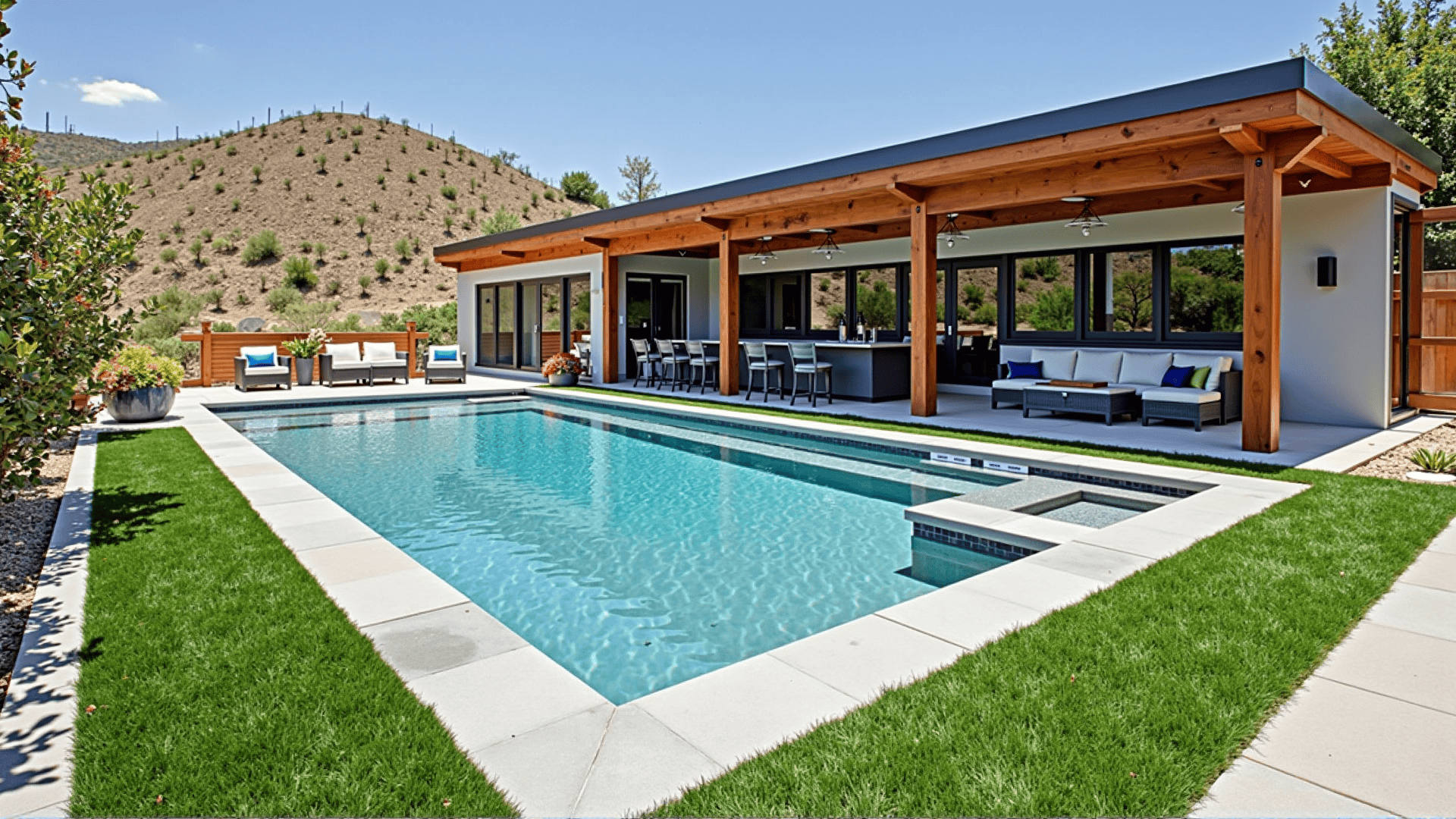
After thirty years of designing custom pools, I've learned that the most interesting projects often happen in the grey area between strictly modern and purely classic designs. Like a chef who isn't afraid to fuse culinary traditions, the most memorable pools often thoughtfully combine elements from different design philosophies.
The Beauty of Hybrid Design
Who says you have to choose just one style? Some of my most successful projects have blended elements from both worlds, creating pools that feel both timeless and contemporary. I call this approach "transitional pool design," and it's perfect for homeowners who appreciate aspects of both aesthetics.
Popular Modern-Classic Combinations
Here are some of my favorite hybrid approaches that have stood the test of time:
Classic Shape with Modern Materials A Roman or kidney-shaped pool (classic) finished with sleek glass tile and minimalist coping (modern) creates an interesting tension between shape and surface. I recently completed a project using this approach for a couple with different design preferences—she loved traditional forms while he preferred contemporary materials. The result was a pool that satisfied both sensibilities and became a conversation piece in their neighborhood.
Modern Shape with Natural Surroundings A geometric, rectangular pool (modern) surrounded by abundant landscaping and natural stone (classic) creates a striking contrast. The clean lines of the pool become even more dramatic when juxtaposed against organic plant forms. This combination works particularly well for homes transitioning between architectural styles or for properties adjacent to natural areas.

Hybrid Water Features Some features work beautifully in either context. For example:
- A sheer descent waterfall can be mounted on a contemporary wall or a natural rock formation
- Deck jets can be arranged in precise geometric patterns or placed to mimic natural springs
- Fire features can be linear and architectural or organic and stone-based
One of my favorite projects featured a perfectly rectangular pool with crisp edges, but we incorporated a classic rock waterfall on one end. The waterfall was designed with unusually geometric stones, creating a bridge between natural and architectural elements. The homeowners still tell me it's their favorite feature fifteen years later.
Personalization Makes Perfect
The beauty of custom pool design is that it can (and should) reflect your unique preferences. Some personalization options that work in either style include:
Integrated Artwork Custom mosaic patterns can be designed to complement any style—from ancient Roman-inspired medallions to contemporary abstract designs. I've worked with talented mosaic artists to create everything from family crests to recreations of favorite vacation vistas on pool floors.
Specialty Lighting Modern fiber optic and LED technologies can create effects ranging from traditional warm glows to programmable color light shows. One particularly memorable project incorporated lighting that subtly shifted with the seasons—cool blues in summer, amber tones in fall.
Personalized Entry Points Beach entries, custom steps, and ladder placements can be tailored to the specific needs of your family regardless of whether your pool leans modern or classic.
Finding Your Perfect Blend
The key to successful hybrid design is thoughtful integration rather than random combination. When I'm helping clients blend elements, I recommend:
- Start with a primary style - Choose either modern or classic as your foundation
- Introduce complementary elements - Add touches from the contrasting style where they make functional sense
- Maintain material consistency - Use a consistent palette to tie different elements together
Remember, the ultimate luxury isn't adhering to a strict design category—it's creating a custom environment that perfectly suits your taste, lifestyle, and property. Sometimes the most remarkable designs happen when we're brave enough to break the rules.
Seasonal Factors and Year-Round Enjoyment

When potential clients call me about building a pool, I often ask them a question that catches them off guard: "How do you plan to enjoy your pool in January?" After thirty years in this business, I've learned that the best pool investments deliver enjoyment across all four seasons, not just during the summer months.
Modern vs. Classic: Weather Adaptability
Who says you have to choose just one style? Some of my most successful projects have blended elements from both worlds, creating pools that feel both timeless and contemporary. I call this approach "transitional pool design," and it's perfect for homeowners who appreciate aspects of both aesthetics.
Popular Modern-Classic Combinations
Both modern and classic designs can be optimized for different climates, but they handle seasonal changes somewhat differently:
Modern Pool Weather Adaptability: Modern pools often excel in variable climates due to their integration with technology. Dark-bottomed modern pools absorb more solar energy, potentially extending your swimming season by 2-3 weeks in spring and fall. This passive heating effect isn't just environmentally friendly—it's also gentle on your utility bills.

I recently designed a modern rectangular pool with southern exposure that the homeowners reported using comfortably from April through October in a climate where traditional pools typically see May-September use. The clean, architectural lines also maintained their visual appeal even during winter months when the pool was closed.
Classic Pool Weather Adaptability: Classic pools generally shine in established landscape settings, where mature plantings can provide natural windbreaks and shade. This can be particularly valuable in hot climates, where excessive sun exposure might otherwise limit pool enjoyment during peak summer months.
The naturalistic rock features and waterfalls common in classic designs also create microclimates around the pool, potentially offering cooler areas on hot days. One of my favorite projects incorporated a carefully positioned rock grotto that provided a refreshingly cool retreat even on 95-degree days.
Features for Extending Your Swimming Season
Regardless of your design preference, consider these options for maximizing year-round enjoyment:
Heating Solutions
- Heat pumps - Energy-efficient for moderate climates and work well with both styles
- Gas heaters - Provide rapid heating for occasional use in either design
- Solar heating - Often more aesthetically compatible with modern designs, but can be integrated into either style
Shelter and Environmental
- Controls Wind barriers - Modern pools often use architectural glass panels; classic pools typically employ natural elements like hedges or stone walls
- Pergolas and shade structures - Available in styles compatible with either aesthetic
- Automated covers - Easier to integrate with rectangular modern designs, but specialized options exist for classic pools
I once worked with a family who installed a heated spa that overflowed into their main pool. This brilliant hybrid solution allowed them to enjoy the spa year-round while also keeping the main pool visually appealing during colder months.
Visual Appeal During Non-Swimming Months
A truly successful pool design considers how the space will look even when swimming isn't possible:
Modern Non-Swimming Appeal
Modern pools often maintain their architectural impact year-round. Many of my clients incorporate:
- Dramatic lighting that creates nighttime visual interest even in winter
- Fire features that provide both warmth and visual appeal in cooler weather
- Clean-lined pool covers that maintain the minimalist aesthetic
Classic Non-Swimming Appeal
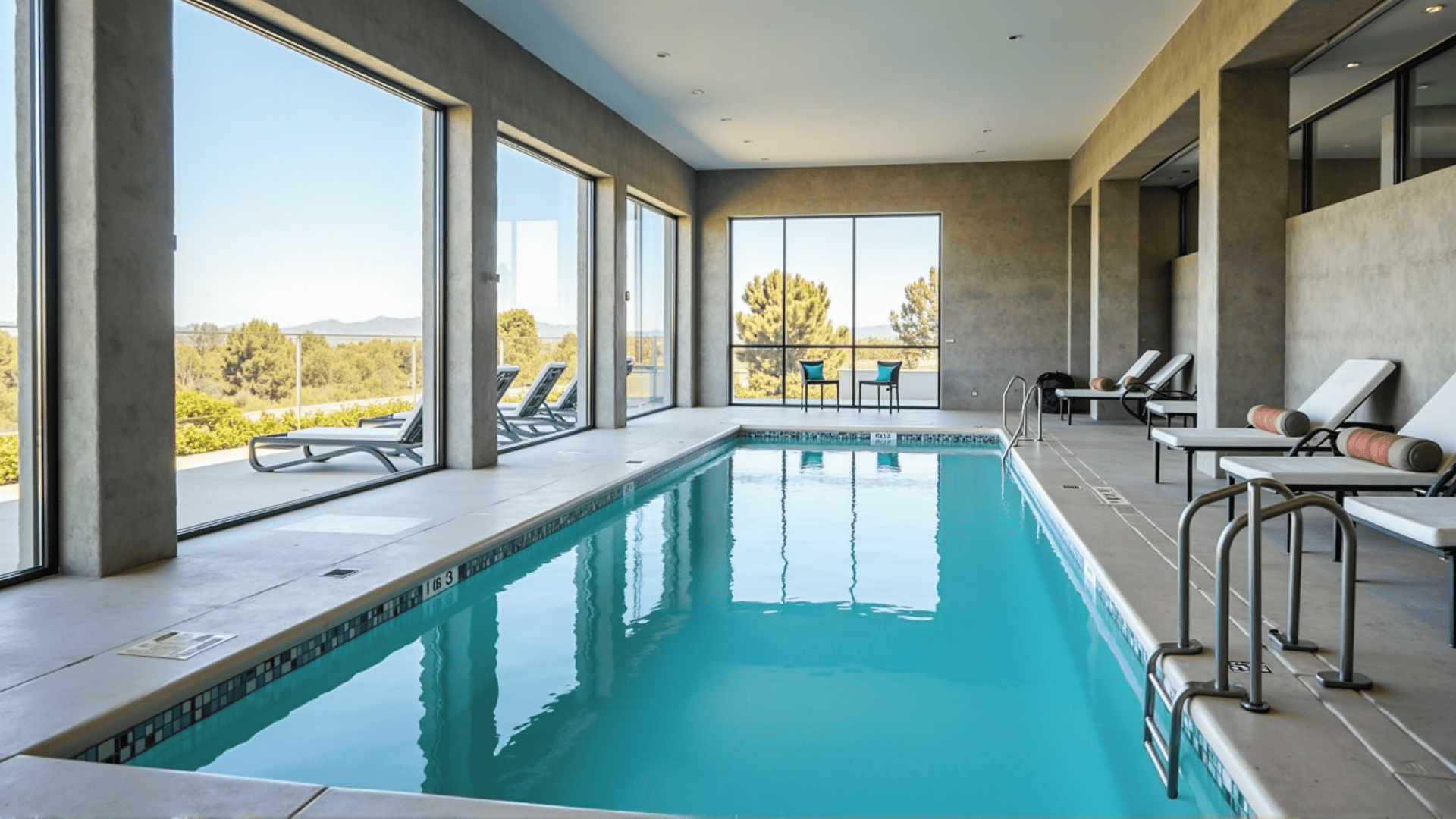
Classic pools often benefit from:
- Extensive landscaping that provides four-season interest
- Natural stone elements that gain character with age and weather
- Water features that can be enjoyed visually even when swimming isn't practical
After decades of building pools across different climate zones, I've learned that the most successful projects consider the pool as a 365-day backyard feature rather than a 90-day swimming facility.
Save Thousands with Experienced Los Angeles Pool Contractors: your pool isn't just a place to swim—it's a water feature, a focal point, and a permanent part of your landscape that should bring you joy whether you're swimming in July, sipping cocoa beside it in December, or simply glancing out your window on a rainy April morning.
Making Your Decision
After years of bringing backyard dreams to life, we've learned that choosing between modern and classic pool designs ultimately comes down to one question: What will bring your family the most joy for decades to come?
Whether you're drawn to the sleek, architectural lines of a modern pool or the timeless elegance of a classic design, the most important element is working with a team that understands both the art and science of pool construction.
At Designer Custom Pools, we don't just build pools—we create personalized outdoor environments that reflect your lifestyle, complement your home's architecture, and provide year-round enjoyment. Our decades of experience have taught us that the difference between a good pool and an exceptional one lies in the details, from properly engineered systems to thoughtfully integrated design elements.
Ready to take the plunge? We'd be honored to guide you through the process, from initial concept to your first swim. Our design consultations are comprehensive, educational, and pressure-free—focused on helping you make the best decision for your family and property.
Transform your backyard into the retreat you've always imagined. Call us today at (310) 261-2440 to schedule your consultation, or visit our contact page to request more information.
Your perfect pool is waiting. Let's build it together.