Therapy vs. Standard Pools: Custom Builder Breaks Down Everything You Need to Know in 2025
Choosing between therapy and standard pools isn't just about preferences it's about matching your investment to your family's actual needs. Therapy pools are specialized medical instruments designed for rehabilitation, featuring consistent 3.5-5 foot depths, 90-96°F water temperatures, and advanced therapeutic equipment like underwater treadmills and resistance jets, with investment ranges from $80,000-$200,000+. Standard recreational pools prioritize versatility and entertainment, operating at cooler 78-86°F temperatures with variable depths for diving and play, typically costing $40,000-$120,000 depending on features.
The fundamental difference lies in purpose: therapy pools serve as controlled clinical environments requiring medical-grade filtration, ADA compliance, and specialized maintenance protocols, while standard pools offer flexible recreational spaces for family enjoyment and general fitness.
Temperature requirements alone determine heating costs, equipment specifications, and long-term operating expenses—therapy pools cost 3-4 times more to operate due to constant heating and intensive filtration needs.
Your choice impacts every aspect of construction: materials (stainless steel vs. concrete options), safety features (medical accessibility vs. recreational safety), space requirements (compact therapeutic efficiency vs. entertainment-focused layouts), and regulatory compliance (healthcare standards vs. residential building codes).
The smartest investment matches your pool type to your primary use attempting to make one pool serve both therapeutic and recreational purposes equally often results in compromising both functions and significantly higher costs.
Understanding the Fundamental Differences: Purpose-Built Design vs.
Recreation
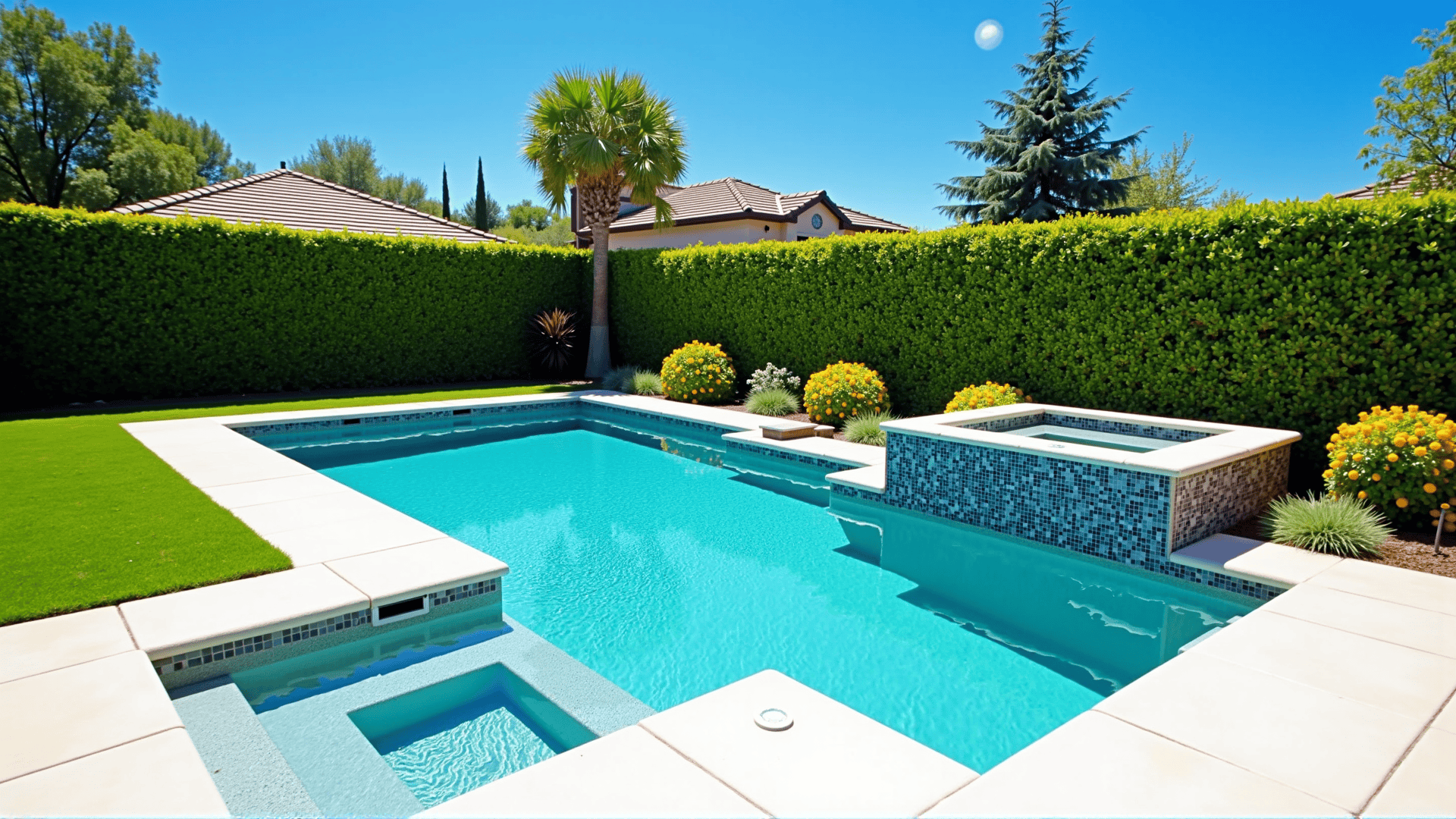
After nearly five decades in the pool construction business, I've learned that the biggest mistake homeowners make is thinking all pools are created equal. It's like assuming a Formula 1 race car and a family SUV are the same because they both have four wheels and an engine. The truth is, therapy pools and standard pools are fundamentally different machines designed for entirely different purposes.
The Medical Instrument vs. The Entertainment Center
When I sit down with families considering a therapy pool, I explain it this way: you're not just building a place to get wet—you're investing in a sophisticated medical instrument that happens to use water as its primary tool. Every design element, from the precise temperature control systems to the specialized filtration, serves a therapeutic purpose.
Think of it like the difference between a hospital operating room and your living room. Both are spaces where people gather, but one is meticulously engineered for specific medical outcomes while the other prioritizes comfort and social interaction.
Why Purpose Drives Every Design Decision
Here's what I've observed over the years: families who confuse these two pool types often end up disappointed and over budget. I've seen homeowners try to retrofit standard pools for therapy use, only to discover the heating costs alone could fund a vacation every month. Conversely, I've watched families install therapy pools thinking they'll host pool parties, then realize the 94-degree water turns their summer barbecue into a sauna experience.
Standard recreational pools are the Swiss Army knives of the backyard—versatile, accommodating various activities from lap swimming to volleyball games. They're designed with flexibility in mind: deeper diving areas, comfortable swimming temperatures, and features that entertain multiple age groups simultaneously.
Therapy pools, on the other hand, are precision instruments. Every specification serves rehabilitation goals: consistent depths for safe movement, warmer temperatures for muscle relaxation, and accessibility features that would seem excessive in a recreational setting
The Investment Philosophy
I always tell my clients that choosing between these pool types isn't about better or worse—it's about matching the tool to the job. If your primary goal is managing chronic pain, recovering from surgery, or providing low-impact exercise for aging joints, a therapy pool isn't just beneficial—it's essential.

But if you're looking to create a backyard oasis where your teenagers can entertain friends and you can host neighborhood gatherings, a standard pool delivers the versatility and fun factor you're seeking.
Making the Right Choice
The families who make the smartest decisions are those who honestly assess their primary needs before falling in love with features. I recommend asking yourself: "Five years from now, how will we actually use this space?"
Remember, you can always add recreational elements to a well-designed standard pool, but you can't easily transform a recreational pool into an effective therapeutic environment. Understanding this fundamental difference upfront will save you thousands in retrofitting costs and years of regret.
The next step? Let's explore how these different purposes translate into specific design requirements—starting with the most critical factor that determines everything else about your pool.
Water Temperature Requirements: The Critical Design Factor
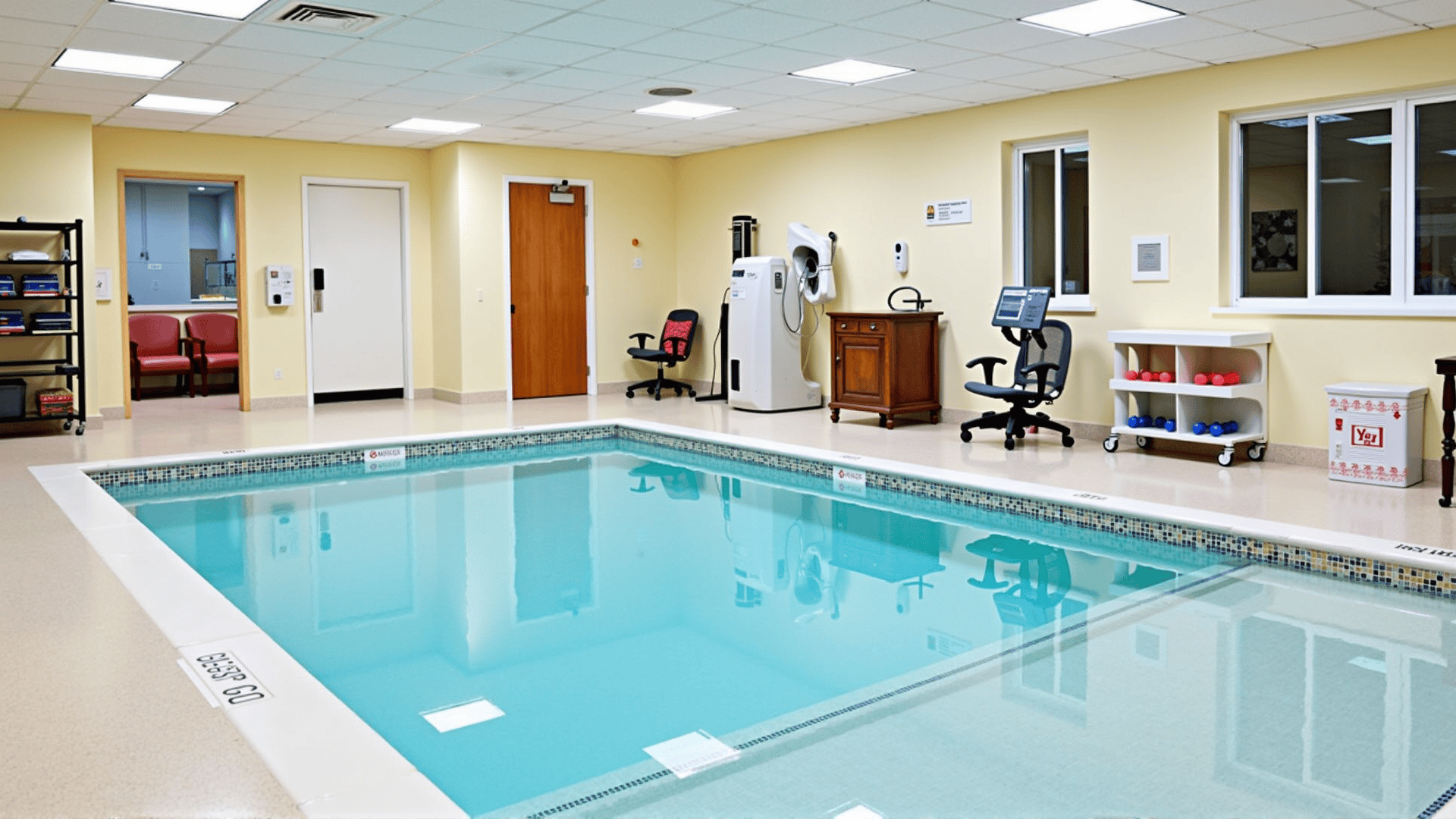
If I had a dollar for every time a homeowner asked me, "Can't we just heat our regular pool warmer when we need therapy?" I'd probably own a yacht by now. The answer is technically yes, but it's like asking if you can use your sports car to tow a boat—sure, it's possible, but you'll destroy your engine and your wallet in the process.
The Temperature Sweet Spots: Science Meets Comfort
After decades of building both pool types, I've learned that temperature isn't just a preference—it's the foundation that determines everything else about your pool. Here's what the numbers actually mean for your backyard investment:
Therapy Pools: The 90-96°F Zone
Therapy pools operate between 90-96°F, and trust me, those six degrees make a world of difference. At this temperature range, something magical happens: your muscles relax, blood circulation increases, and joint pain diminishes. It's not just about feeling good—this temperature range actually triggers physiological responses that aid healing.
I've watched arthritic grandparents who couldn't climb stairs suddenly move freely in 94-degree water. The warmth isn't luxury; it's therapeutic necessity.
Standard Pools: The 78-86°F Goldilocks Zone
Standard recreational pools thrive between 78-86°F—warm enough for comfortable swimming, cool enough to prevent overheating during vigorous exercise. This temperature range accommodates everyone from your marathon-training teenager to your leisurely-swimming spouse.
The Hidden Costs: What Your Energy Bill Won’t Tell You
Here's where many families get sticker shock. Maintaining therapy pool temperatures costs roughly 3-4 times more than standard pool heating. I always break down the math for my clients:
- Standard pool heating: Maybe $150-300 monthly during peak season
- Therapy pool heating: $400-800 monthly year-round
Why such a dramatic difference? Physics is unforgiving. Every degree above 85°F exponentially increases energy consumption. It's like the difference between warming your house to 70°F versus 90°F—the energy costs don't scale linearly.
The Engineering Reality: Size Matters
One reason therapy pools stay smaller isn't just about cost—it's about thermal efficiency. Imagine trying to keep a bathtub warm versus a swimming pool. The larger the water volume, the more energy bleeds away through evaporation, radiation, and conduction.
This is why most therapy pools max out around 400-600 square feet, while standard pools often sprawl across 800-1,200 square feet or more. Smaller footprint equals manageable heating bills.
Making the Smart Choice
Exclusive Access to Elite Los Angeles Pool Contractors: don't let heating costs scare you away from the right pool type. If you need therapeutic benefits, factor the energy costs into your decision like you would any medical investment. But if you're building primarily for recreation, don't torture your budget trying to heat a large pool to therapy temperatures.
The smartest approach? Design your heating system to match your primary use. Standard pools with occasional heating capability, or therapy pools with zone controls that let you adjust temperatures for different activities.
Remember, the most expensive pool isn't the one that costs more upfront—it's the one that doesn't serve your family's actual needs. Temperature requirements will determine your pool's size, equipment, and operating costs for the next 20 years.
Depth Configuration and Safety Features

You know what separates experienced pool contractors from weekend warriors? We understand that depth isn't just about how much water you want—it's about safety, functionality, and long-term usability. I've seen too many families regret their depth decisions five years down the road when their needs change.
Therapy Pools: The Consistency Advantage
Therapy pools maintain consistent depths between 3.5-5 feet throughout—and there's brilliant reasoning behind this seemingly simple design. Think of it like a basketball court: you don't want surprising elevation changes when you're focused on controlled movement and rehabilitation.
I always explain it this way: when someone is recovering from knee surgery or managing arthritis, predictable footing is everything. They need to know that every step will find solid ground at the same depth. No surprises, no anxiety about sudden drop-offs.
The Zero-Entry Revolution
One of the most requested features I install in therapy pools is zero-entry access—essentially a beach-style entrance where the pool gradually slopes from deck level. It's like the difference between jumping off a cliff and walking into the ocean. For anyone with mobility challenges, wheelchair users, or simply aging family members, this feature transforms pool access from intimidating to inviting.
Standard Pools: The Versatility Challenge
Standard recreational pools are the complete opposite—designed for variety. Most families want that classic 3-foot shallow end transitioning to an 8-foot deep end for diving. It's like designing a playground: different zones for different activities.
But here's what I've learned after building hundreds of pools: families with young children often regret going too deep too quickly. I now recommend a more gradual transition—maybe 3 feet extending further into the pool before dropping to 5-6 feet, with the deep end reserved for serious swimmers.
The Diving Dilemma
Want to add a diving board? You'll need minimum 8-foot depths, and honestly, I try to talk most families out of diving boards these days. Insurance liability, changing family needs as kids grow up, and the reality that most boards sit unused after the novelty wears off. That deep end becomes expensive real estate that's only used by the family's strongest swimmers.
Safety Features: Beyond the Basics
Here's where therapy and standard pools diverge dramatically in safety requirements:

Therapy Pool Essentials:
- Handrails every 4-6 feet along pool walls
- Non-slip surfaces with aggressive texturing
- Ramps with proper slope ratios (1:12 maximum grade)
- Emergency shut-offs for any therapeutic equipment
Standard Pool Safety:
- Fencing requirements (typically 4-foot minimum height)
- Self-closing, self-latching gates
- Pool alarms and covers
- Anti-entrapment drain covers
The ADA Compliance Reality
If you're building a therapy pool, ADA compliance isn't optional—it's essential. Even for private residential pools, following ADA guidelines ensures your investment remains valuable and accessible as family needs change.
I've retrofitted too many pools where families realized they needed accessibility features after the fact. Installing a lift or ramp after construction costs three times more than including it during the initial build.
Future-Proofing Your Investment
The smartest families I work with think decades ahead. That active teenager will eventually be a parent, then a grandparent. Building accessibility features now—even if you don't need them yet—is always cheaper than retrofitting later.
Remember: you can't easily change depth after construction, but you can always add safety features. Choose your depth configuration carefully—it's one decision that's nearly impossible to undo.
Specialized Equipment and Therapeutic Features

Here's where I separate the dreamers from the serious investors. When families start talking about "throwing in some jets" to make their standard pool "therapeutic," I know we need to have a reality check conversation.
Real therapeutic equipment isn't an afterthought—it's precision-engineered technology that costs more than most people's cars.
Therapy Pool Equipment: The Medical Arsenal
Underwater Treadmills: The Game Changer:
The crown jewel of therapy pools is the underwater treadmill system. I've installed units ranging from $25,000 to $60,000, and families always ask if it's worth it. Here's my analogy: it's like having a physical therapy clinic in your backyard that never closes.
These aren't glorified hamster wheels. Modern underwater treadmills feature variable speeds, adjustable resistance, and even video feedback systems. I've watched post-surgery patients who couldn't walk on land take their first steps in months on these machines. The buoyancy supports their weight while the treadmill provides controlled movement—it's engineering meeting medicine.
Resistance Jets: Beyond Bubbles
Standard pool "therapy jets" are like comparing a garden hose to a fire truck. Real therapeutic resistance systems create targeted water currents with variable intensity from gentle lymphatic drainage pressure to athlete-level resistance training.
The systems I install feature programmable zones with different pressure settings. Think of it as having multiple personal trainers working different muscle groups simultaneously. One zone might provide gentle resistance for shoulder rehabilitation while another delivers intense currents for core strengthening.
Adjustable Platforms and Lifts
Pool lifts aren't just ADA compliance boxes to check—they're dignity preservers. I've installed everything from simple platform lifts to sophisticated overhead hoist systems. The best investments are adjustable floor systems that can raise or lower sections of the pool floor, effectively changing water depth on demand.
Standard Pool Amenities: The Entertainment Package

Now, standard pools play by completely different rules. Here, we're building entertainment systems, not medical devices.
The Classic Trio: Slides, Diving, and Water Features
Pool slides, diving boards, and waterfalls are the bread and butter of recreational pools. But here's what 30 years has taught me: families use slides for about two summers, diving boards become liability concerns, and waterfalls require constant maintenance.
The smartest standard pool investments? LED lighting systems, automated cleaning, and smart controls. These features enhance every swim session and actually save you time and money long-term.
Spa Integration: The Sweet Spot
The most popular upgrade I install is integrated spa systems. It's like having a therapy pool appetizer before your main course swimming. At 102-104°F, attached spas provide therapeutic benefits without the operating costs of heating an entire pool to therapy temperatures.
The Equipment Investment Reality
Here's the brutal truth about costs:
Therapy Pool Equipment Budget:
- Basic therapeutic package: $40,000-$80,000
- Advanced systems with treadmills: $100,000-$150,000
- Premium installations: $200,000+
Standard Pool Equipment Budget:
- Essential package: $15,000-$30,000
- Luxury additions: $40,000-$60,000
- Resort-style features: $80,000+
Making Smart Equipment Choices
The families who get the most value are those who prioritize function over flash. For therapy pools, invest in quality resistance systems and accessibility features before aesthetic upgrades. For standard pools, focus on automation and energy efficiency before entertainment add-ons.
Remember: equipment breaks, technology becomes obsolete, but solid engineering lasts decades. Choose features that enhance your pool's primary purpose rather than trying to make one pool do everything.
The next consideration? How much space these features actually require in your backyard—because that beautiful equipment needs room to breathe.
Size, Shape, and Space Considerations for Your Backyard
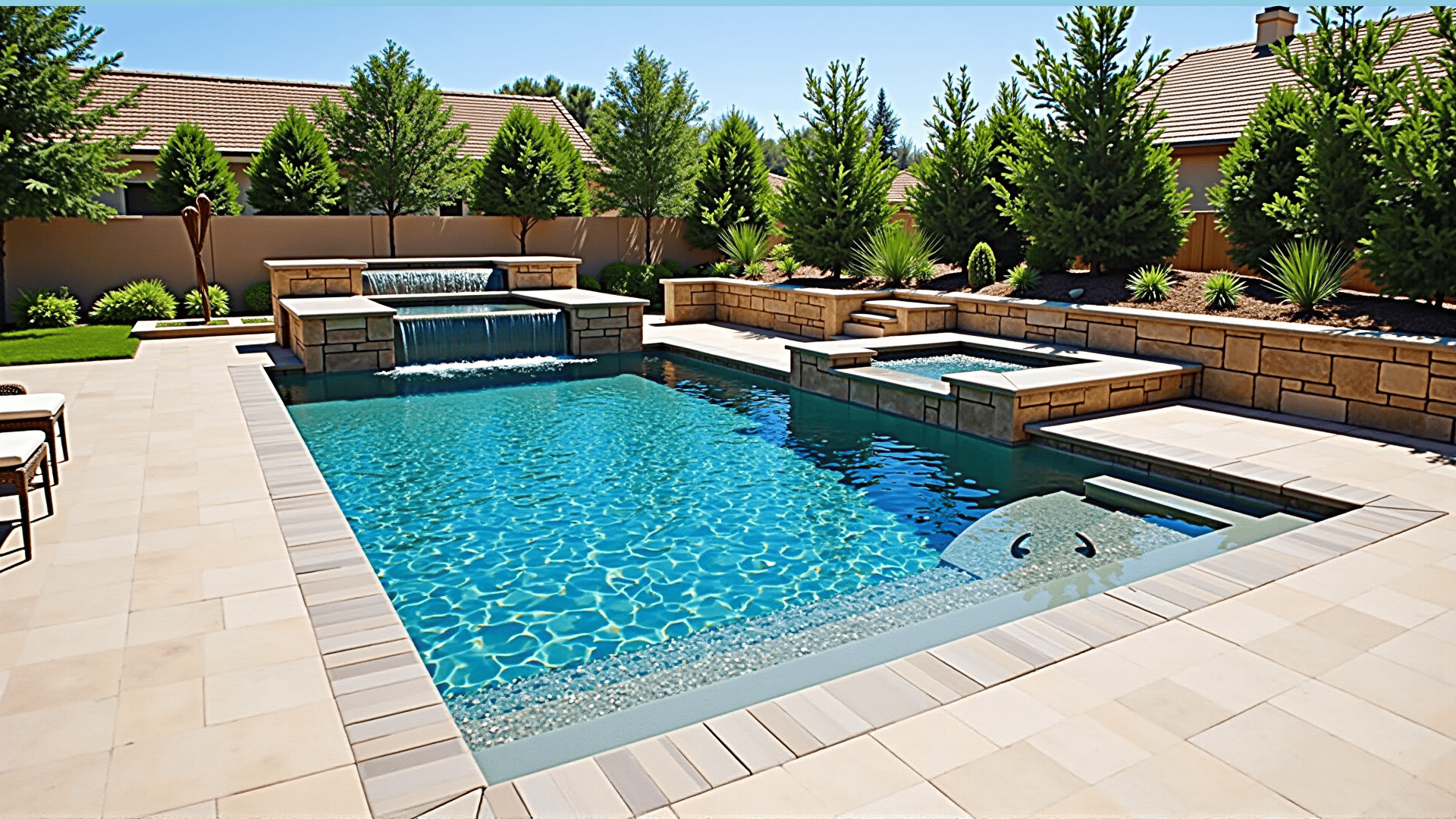
I'll never forget the family who showed me their backyard and said, "We want a pool that takes up the entire space—go big or go home!" Six months later, they called asking if we could shrink it because they had nowhere for their kids to play. The biggest pool isn't always the best pool—it's about finding the sweet spot between your dreams and your actual lifestyle.
Therapy Pools: Compact Powerhouses
Therapy pools are the sports cars of the pool world—small, efficient, and purpose-built for performance. Most therapeutic installations I design fall between 300-600 square feet (think 12x20 to 15x25 feet). It sounds modest until you realize this compact footprint delivers maximum therapeutic benefit while keeping operating costs manageable.

Explore Luxury Creations by Master Los Angeles Pool Builder: smaller means better temperature control, lower chemical costs, and easier maintenance. It's like the difference between heating a studio apartment versus a mansion—both get the job done, but one won't bankrupt you.
The Rectangle Rule
Therapy pools almost always feature rectangular or simple L-shaped designs. No kidney shapes, no lagoon curves—just clean, efficient geometry. Why? Because therapeutic equipment needs straight sight lines and predictable water flow patterns. Plus, rectangles maximize swimming space within the smallest footprint.
Standard Pools: The Space Equation
Standard recreational pools play by different rules entirely. Most families gravitating toward 800-1,200 square feet of water surface, which translates to roughly 20x40 to 25x48 feet. But here's what I've learned: bigger often means more problems, not more fun.
The 40% Rule I Live By
Your pool should consume no more than 40% of your usable backyard space. I've seen too many families create beautiful pools surrounded by postage-stamp decking with no room for outdoor furniture, grilling areas, or simple lawn space for kids and pets.
Think of your backyard as a puzzle where the pool is just one piece. You need circulation space, equipment areas, and room to actually enjoy the pool from outside the water.
Shape Psychology: What Really Works
Kidney shapes and lagoon-style pools photograph beautifully but swim terribly. Those curves create dead zones where debris collects and circulation suffers. The most functional standard pools I build are rectangular with rounded corners or simple L-shapes—they maximize swimming space while maintaining efficient water flow.
The Equipment Space Reality Check
Here's what most homeowners don't consider: pool equipment needs real estate too. Therapy pools require substantial mechanical space for heating systems, filtration, and therapeutic equipment. Plan for at least 8x12 feet of dedicated equipment area that's easily accessible but hidden from view.
Standard pools need less complex equipment but still require 6x10 feet minimum for pumps, filters, and heaters. And remember: this equipment makes noise and needs regular maintenance access.
Working with What You’ve Got
The best pools work with your yard's natural flow, not against it. I always walk properties looking for the sweet spot where:
- Sun exposure optimizes heating and comfort
- Drainage naturally flows away from the pool
- Privacy feels natural without fortress-like fencing
- Access from the house creates easy indoor-outdoor living
The Future-Proofing Factor
Smart families plan for changing needs. That therapy pool might eventually need spa expansion, or that standard pool might require accessibility upgrades. Leave room in your design for evolution—the most expensive pools are the ones that can't adapt as families grow and age.
Remember: you can always landscape around a well-placed pool, but you can't easily move a pool to accommodate better landscaping.
Construction Materials and Durability Requirements

After building pools for nearly five decades, I've learned that construction materials are like marriages—what seems attractive at first might not survive the test of time. The material choices you make today will determine whether you're relaxing by your pool in years or writing checks for major renovations.
Therapy Pools: Medical-Grade Construction Standards
Therapy pools demand materials that can withstand constant high temperatures and intensive chemical treatments—think of them as the intensive care units of the pool world. The 90-96°F operating temperatures and frequent sanitation cycles create a harsh environment that destroys inferior materials.
Stainless Steel: The Gold Standard
I recommend 316-grade stainless steel for therapy pool shells whenever budget allows. Yes, it costs 40-60% more than traditional materials, but it's virtually indestructible. Stainless steel handles temperature fluctuations without expansion cracks, resists chemical corrosion, and maintains its integrity for decades.
The biggest advantage? Stainless steel pools can be relocated if needed—try moving a concrete pool and you'll appreciate this flexibility.
Specialized Fiberglass: The Smart Alternative
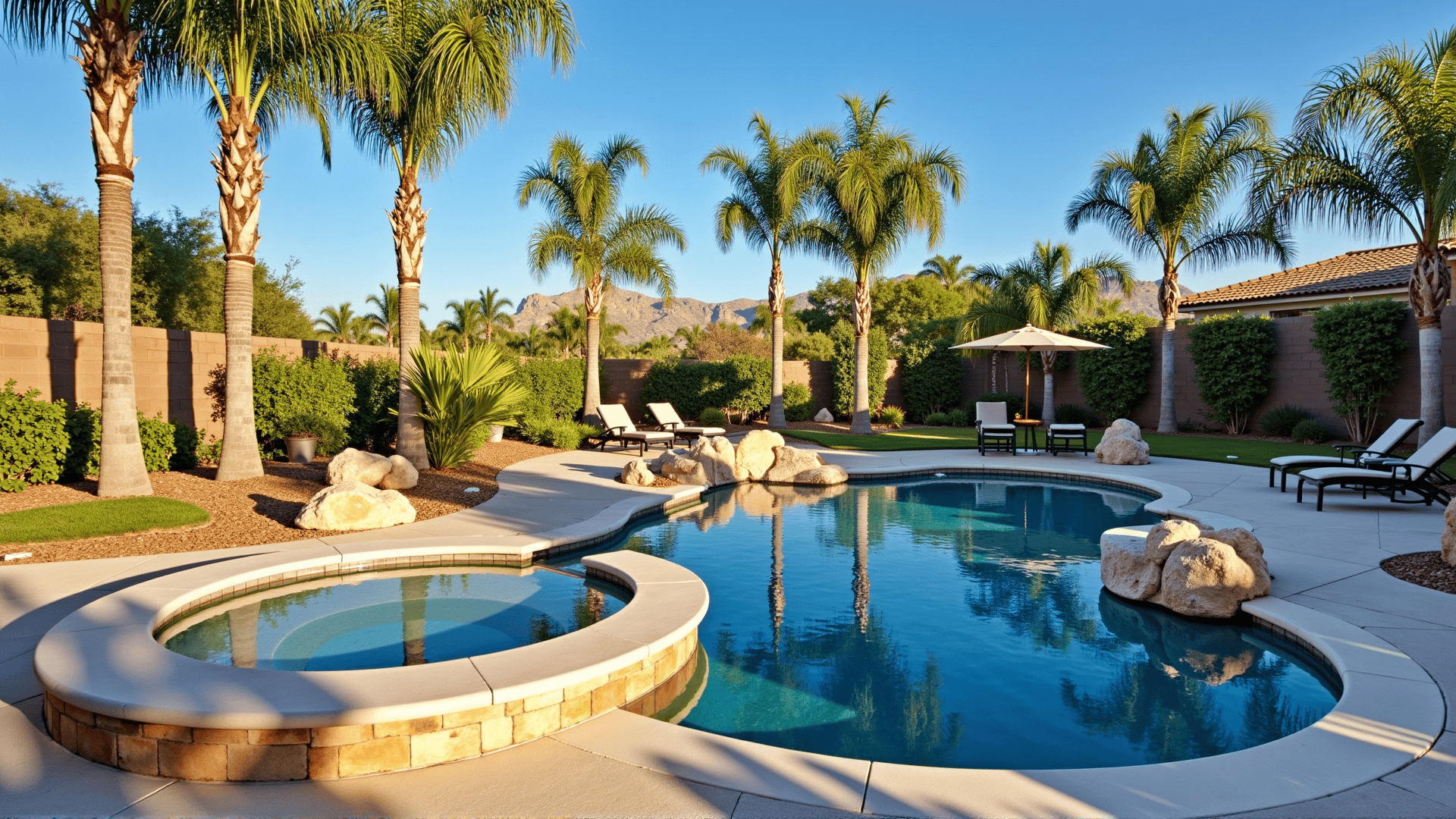
High-quality medical-grade fiberglass systems offer excellent durability at moderate cost. The key is ensuring the gelcoat can handle constant exposure to therapeutic temperatures without degrading. Cheap fiberglass will blister, fade, and require resurfacing within 5-7 years.
I always specify marine-grade gelcoats with UV inhibitors—they're designed for harsh environments and maintain their finish longer.
Standard Pools: Balancing Cost and Performance
Standard recreational pools have more material flexibility since they operate under less extreme conditions. The sweet spot is finding materials that deliver year lifespans without breaking the bank
Concrete: The Customization King
Gunite or shotcrete concrete remains my go-to for standard pools because it offers unlimited design flexibility. Want infinity edges, beach entries, or integrated spas? Concrete makes it possible.
But here's the reality: concrete requires resurfacing every 10-15 years. Budget $8,000-$15,000 for replastering when the time comes. It's not a failure—it's planned maintenance, like replacing your roof.
Fiberglass: The Low-Maintenance Hero
Quality fiberglass pools deliver the best long-term value for standard applications. The surface stays smooth, algae struggles to attach, and chemical consumption drops significantly. The trade-off? You're limited to pre-manufactured shapes and sizes.
For busy professionals who want minimal maintenance headaches, fiberglass often wins despite the design limitations.
The Finish Factor: Where Quality Shows
Pool finishes separate amateur installations from professional work. I've seen beautiful pools ruined by cheap finishes that stain, crack, or fade within two years.
Therapy Pool Finishes
Non-porous, medical-grade surfaces are essential. Quartz aggregates or specialized epoxy coatings resist bacterial growth and handle intensive cleaning protocols. Think hospital-grade durability.
Standard Pool Finishes
Pebble finishes offer the best balance of beauty and durability for recreational pools. They're slip-resistant, hide minor imperfections, and last 15-20 years with proper care. Plaster is cheaper initially but requires more frequent replacement.
The Economics of Material Choices
Here's my rule of thumb: spend 20% more on materials to save 50% on long-term maintenance. That premium stainless steel or high-grade fiberglass pays dividends in reduced repairs, chemical costs, and peace of mind.
The most expensive pool isn't the one that costs more to build—it's the one that needs constant repairs. Choose materials based on your pool's intended lifespan and usage intensity.

Remember: you'll interact with these materials every day for decades. Invest in quality that ages gracefully rather than fighting deterioration from day one
Water Quality and Filtration Systems
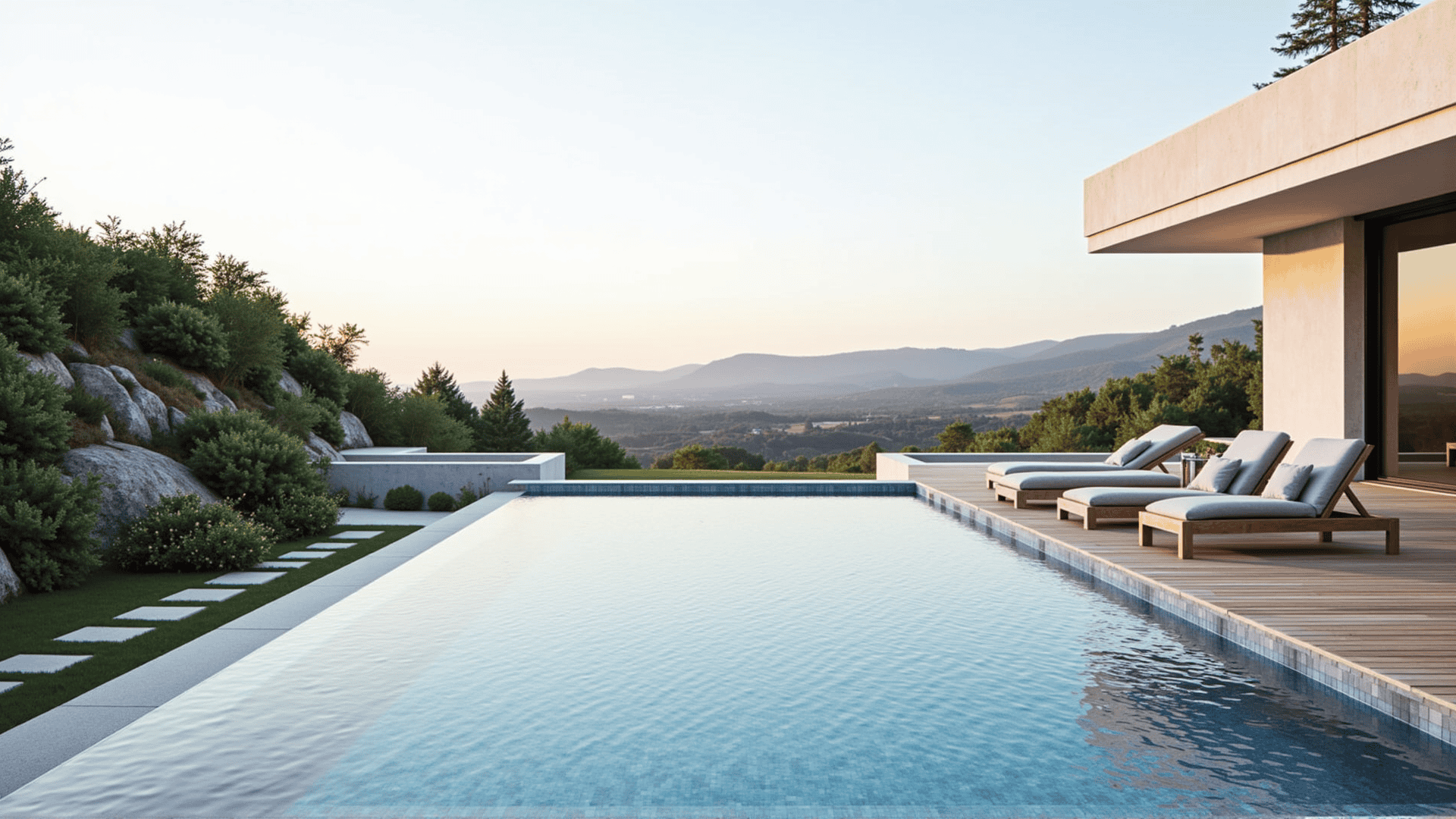
If materials are the bones of your pool, then water quality systems are the heart and lungs. I've spent countless hours explaining to homeowners that crystal-clear water isn't just about aesthetics—it's about safety, health, and protecting your substantial investment. The filtration system you choose today will determine your daily maintenance routine for the next two decades.
Therapy Pools: Hospital-Grade Standards
Therapy pools operate under medical facility water quality requirements—and for good reason. When you're dealing with vulnerable users, open wounds, or compromised immune systems, there's zero tolerance for contamination
The Multi-Barrier Approach
The Multi-Barrier Approach I design therapy pool systems with multiple redundant safety measures. Think of it like aircraft safety—if one system fails, three others keep you protected. A typical installation includes:
- UV sterilization systems that destroy pathogens without chemicals
- Ozone injection for additional oxidation power
- High-turnover filtration cycling water every 2-3 hours
- Automated chemical monitoring with instant adjustments
Temperature vs. Chemical Balance
Here's the challenge most people don't anticipate: hot water accelerates everything. Bacteria multiply faster, chemicals break down quicker, and pH levels swing more dramatically. Those therapeutic 94-degree temperatures create a perfect storm for water quality issues.
I always install oversized filtration systems for therapy pools—typically 150% of what standard calculations suggest. It's like buying a truck to haul a boat instead of struggling with an underpowered car.
Standard Pools: Efficiency Meets Performance
Standard recreational pools allow more flexibility in filtration approaches, but the goal remains crystal-clear water with minimal maintenance hassle.
The Three Pillars: Circulation, Filtration, Sanitization
Proper water circulation is 80% of water quality—I can't emphasize this enough. Dead zones where water sits stagnant become breeding grounds for algae and bacteria. Modern pool designs feature strategically placed returns and skimmers that eliminate dead spots.
For filtration media, I typically recommend:
- Sand filters: Reliable workhorses requiring minimal maintenance
- Cartridge filters: Superior filtration but more hands-on maintenance
- DE (Diatomaceous Earth): Ultimate clarity but complex operation
Salt Systems vs. Traditional Chlorine
Salt chlorine generators have revolutionized pool maintenance—they're like having a chemical factory that never sleeps. The system produces chlorine automatically from salt, maintaining consistent sanitizer levels without the harsh chemical handling.
But here's what the sales brochures don't mention: salt systems still require monitoring and maintenance. You're not eliminating chemicals; you're automating their production.
The Smart Pool Revolution
Modern water management systems integrate with smartphone apps and automated testing. I install systems that text homeowners when chemical levels drift or pumps malfunction. It's like having a pool technician monitoring your water 24/7.
Variable-speed pumps represent the biggest advancement in pool efficiency. They adjust flow rates automatically, reducing energy consumption by 50-80% while improving filtration effectiveness.
Maintenance Reality Check
No filtration system eliminates maintenance—it just changes the routine. Therapy pools require daily chemical testing and weekly deep cleaning. Standard pools need 2- 3 weekly maintenance sessions during peak season.

The smartest investment? Automatic pool cleaners and chemical feeders that handle routine tasks while you focus on enjoying your pool.
Environmental Considerations
Eco-conscious families increasingly choose natural enzyme treatments and reduced-chemical systems. While these approaches require more attention, they significantly reduce environmental impact and chemical exposure.
Remember: the best filtration system is the one that matches your maintenance commitment and usage patterns. Overbuilding creates unnecessary complexity; underbuilding guarantees frustration.
Your water quality system isn't just about clear water—it's about creating a healthy, sustainable aquatic environment your family can enjoy for decades.
Investment Analysis: Initial Costs vs. Long-Term Value
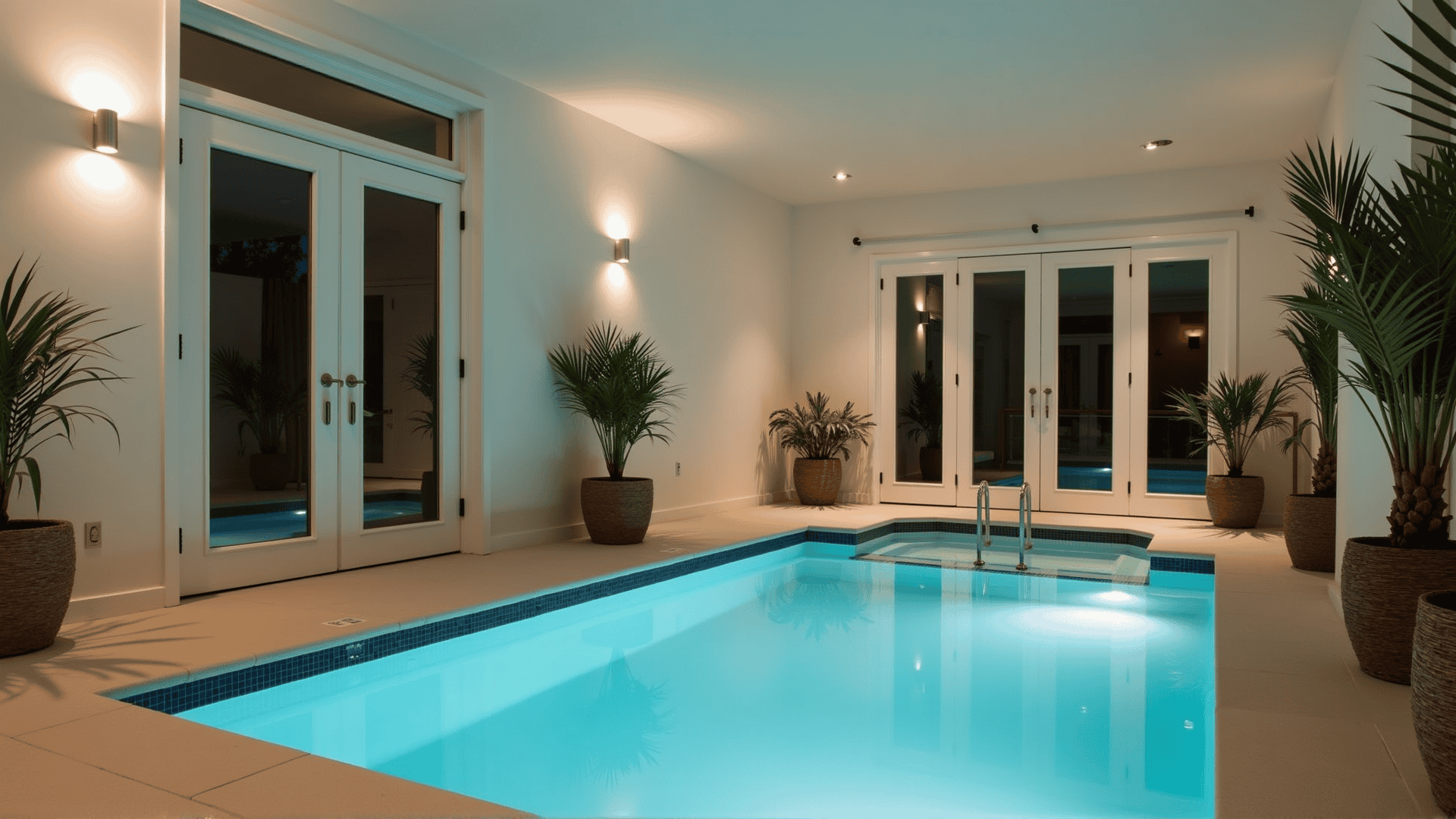
After nearly five decades of building pools, I've learned that the sticker shock conversation is inevitable—but the real shock comes five years later when families realize they didn't budget for the hidden costs. Think of pool ownership like buying a luxury car: the purchase price is just the entry fee to a long-term financial relationship.
Therapy Pools: The Medical Investment Perspective
Therapy pool installations typically range from $80,000 to $200,000+, and I watch homeowners' faces when I share those numbers. But here's how I frame it: you're not buying a pool—you're investing in a home medical facility that operates 24/7 for decades.
Breaking Down the Premium
Why do therapy pools cost so much more? Specialized equipment drives 60-70% of the price difference:
- Underwater treadmill systems: $25,000-$60,000
- Advanced heating and circulation: $15,000-$25,000
- Medical-grade filtration: $8,000-$15,000
- Accessibility features: $10,000-$20,000
The Operating Reality
Monthly operating costs for therapy pools run $600-$1,200 due to constant heating and intensive filtration. That sounds painful until you compare it to physical therapy sessions at $150-$200 per visit. A therapy pool pays for itself if it replaces just 4-5 professional sessions monthly.
Standard Pools: The Lifestyle Investment
Standard recreational pools range from $40,000 to $120,000 depending on size, features, and finishes. The sweet spot for most families falls around $65,000-$85,000 for a well-equipped installation.
The Value Breakdown
Standard pool operating costs average $200-$500 monthly during swimming season, dropping to $100-$200 for winter maintenance. Over 20 years, you're looking at roughly $60,000-$100,000 in total operating expenses.
But here's what accountants miss: pools deliver value beyond dollars. Family time, entertainment, exercise, and property enhancement create benefits that compound over decades.
The Hidden Cost Iceberg
Most families budget for the pool but forget the peripheral investments:
- Landscaping and hardscaping: $15,000-$40,000
- Fencing and safety features: $3,000-$8,000
- Outdoor furniture and shade: $5,000-$15,000
- Insurance increases: $200-$500 annually
The 20-Year Reality Check
Smart families budget for major maintenance cycles:
- Equipment replacement (10-15 years): $8,000-$15,000
- Surface refinishing (12-18 years): $8,000-$20,000
- Deck restoration (15-20 years): $10,000-$25,000
ROI: Beyond the Numbers
Property value increases vary wildly by location and market conditions. In pool-friendly climates, expect 5-15% home value increases. In seasonal markets, pools might add minimal resale value but deliver enormous lifestyle benefits.

The families who get the best ROI are those who use their pools extensively and maintain them properly. A well-maintained pool enhances property appeal for decades; a neglected pool becomes a liability.
Making the Smart Choice
The cheapest pool is rarely the best value. I've seen families save $15,000 on initial construction only to spend $30,000 on repairs and upgrades within five years. Quality construction and proper equipment sizing prevent costly problems later
My Investment Philosophy
Choose the pool type that matches your primary needs, then build it right the first time. Therapy pools make financial sense for families with ongoing medical needs. Standard pools deliver value for active families who prioritize lifestyle and entertainment.
The most expensive pool isn't the one that costs more upfront—it's the one that doesn't serve your family's actual needs. A $50,000 standard pool that sits unused is a worse investment than a $150,000 therapy pool that improves daily quality of life.
Remember: you're not just buying a hole filled with water—you're investing in decades of family memories, health benefits, and property enhancement. Make that investment count.
Permits, Regulations, and Professional Requirements
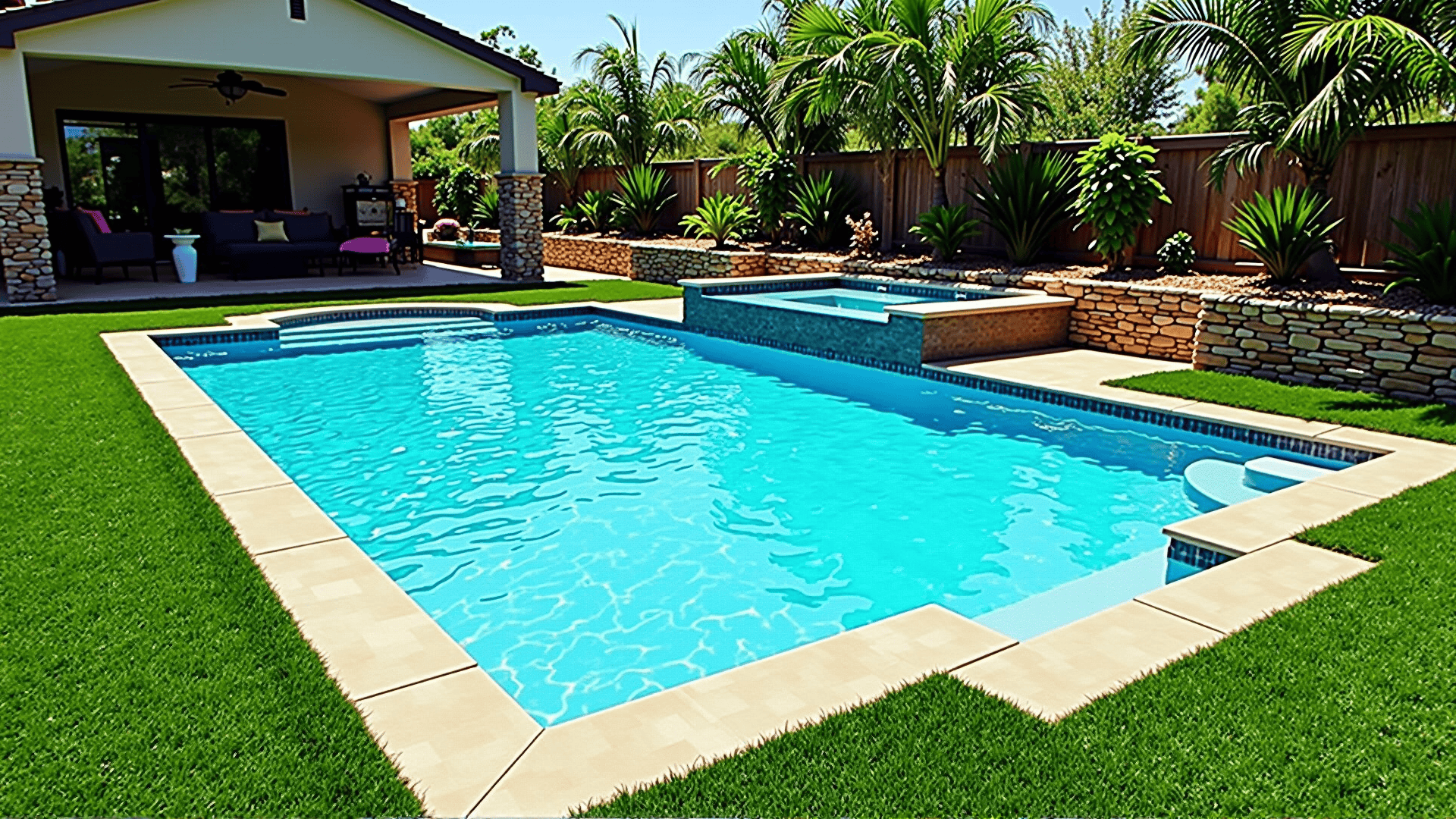
Nothing kills the pool dream faster than a neighbor complaint or a surprise visit from code enforcement. I've seen beautiful $100,000 installations get red-tagged because someone skipped the boring paperwork. Think of permits like insurance—nobody wants to buy them, but you'll desperately wish you had them when things go sideways.
The Permit Maze: Standard vs. Therapy Complexity
Standard residential pools follow relatively straightforward permitting—building permits, electrical permits, and sometimes septic or drainage permits if your property has unique challenges. Most jurisdictions treat them like any other home improvement project.
Therapy pools? That's a different universe entirely. You're not just building a backyard amenity—you're installing what many jurisdictions classify as medical equipment in a residential setting. Some areas require health department approvals, ADA compliance reviews, and specialized inspections that can add months to your timeline.
The Setback Reality Check
Every municipality has setback requirements—minimum distances from property lines, septic systems, wells, and structures. I've walked countless properties where families had grand plans that died when we measured actual buildable space.
Standard pools typically require:
- 10-15 feet from rear property lines
- 5-10 feet from side property lines
- 25+ feet from wells or septic systems
- Specific distances from electrical services
Therapy pools often face stricter scrutiny due to their mechanical complexity and potential noise from equipment. Some HOAs treat them as commercial installations requiring special approvals.
Safety Regulations: The Non-Negotiables
Pool safety codes aren't suggestions—they're legal requirements that vary dramatically by location. The basics include:
- Barrier requirements: 4-foot minimum fence height with self-closing, self-latching gates
- Drain safety: Anti-entrapment covers and emergency shut-offs
- Electrical codes: GFCI protection and proper grounding
- Emergency equipment: Ring buoys, shepherd's hooks, emergency phone access
The ADA Compliance Factor
Therapy pools must meet accessibility standards, even in residential settings. This means:

- Accessible entry/exit methods (lifts, ramps, or transfer walls)
- Proper slope ratios for ramps (maximum 1:12 grade)
- Clear deck space for wheelchair maneuvering
- Compliant handrail specifications
Ignoring ADA requirements isn't just about compliance—it's about ensuring your investment remains functional as family needs change.
Professional Requirements: Why Licensing Matters
Never hire unlicensed contractors, regardless of their charming sales pitch. Licensed contractors carry insurance, bond coverage, and accountability that disappears with fly-by-night operators.
For therapy pools, seek contractors with medical facility experience. Building a therapy pool requires understanding healthcare regulations, specialized equipment integration, and safety protocols that go beyond standard pool construction.
The Inspection Timeline
Standard pools typically require 3-5 inspections:
- Excavation and steel placement
- Plumbing and electrical rough-in
- Equipment installation
- Final inspection and safety compliance
Therapy pools often double that number due to specialized equipment, accessibility features, and health department requirements.
Insurance and Liability Considerations
Pool installation affects homeowner's insurance immediately. Most carriers require notification before construction begins and may mandate specific safety features. Therapy pools sometimes trigger commercial liability requirements due to their medical classification.
Some insurance companies offer discounts for pools with advanced safety features, while others penalize pool ownership entirely. Check with your agent before breaking ground.
The HOA Hurdle
Homeowner associations can be your biggest obstacle. Many have architectural review committees that scrutinize pool designs, require specific materials, or limit operating hours for equipment.
Submit HOA applications early—their approval processes often take longer than municipal permits and can derail projects after significant investment.
My Permit Strategy
Start the permit process before finalizing designs. Regulations often dictate design changes that affect costs and timelines. Better to discover limitations during planning than during construction.
Remember: permits protect your investment. Properly permitted pools add property value; unpermitted installations become expensive liabilities that haunt future sales.
Making the Right Choice for Your Family’s Needs
After walking you through the critical differences between therapy and standard pools, the choice ultimately comes down to honest self-assessment: Will you primarily use your pool for medical rehabilitation or family recreation? That answer determines everything—from your initial investment to your daily operating costs.

Don't try to make one pool serve both purposes perfectly. Families who attempt this compromise often end up disappointed with both therapeutic effectiveness and recreational enjoyment. Choose your primary purpose, then build excellence around that goal.
The biggest mistake I see? Rushing into construction without fully understanding long-term implications. Temperature requirements, equipment needs, and maintenance commitments will define your pool experience for the next years.
Why Choose Us for Your Custom Pool Project
With 48 years of proven experience, we've guided thousands of families through these exact decisions. We don't just build pools—we engineer solutions that match your specific needs, budget, and lifestyle goals.
Our expertise covers both therapy and standard pool construction, ensuring you get honest guidance rather than sales pressure toward the most profitable option.
Ready to make the right choice for your family? Contact us today at (310) 261-2440 or visit our contact page to schedule your personalized consultation. Your dream pool starts with the right professional guidance.