Fiberglass vs. Concrete vs. Vinyl Liner Pools: Which Type Offers the Best Value for Your Home?
What Makes Each Pool Type Different

After spending nearly five decades in the pool construction industry, I've learned that choosing a pool type is like choosing a car - each has its unique characteristics that make it perfect for different families. so what exactly the difference between Fiberglass vs. Concrete vs. Vinyl Liner Pools? Let me break down these differences in a way that will help you understand what you're really investing in.
Fiberglass Pools: The “Ready-to-Go” Option
Think of fiberglass pools as the Tesla of the pool world - sleek, modern, and manufactured with precision. These pools arrive at your home as a single, pre-made shell. They're factory-crafted using layers of fiberglass composite materials and coated with a smooth gel finish. What makes them special is their non-porous surface - imagine a surface so smooth that algae literally can't find a place to grip onto.
Concrete Pools: The “Fully Custom” Choice
Concrete pools (also called gunite or shotcrete) are like having a custom-built luxury home. We start with a carefully engineered framework of steel rebar, then spray concrete at high pressure to create the pool's structure. It's fascinating to watch - I still get excited seeing the transformation from a steel skeleton to a beautiful finished pool. The surface can be finished with plaster, pebble, or even glass beads, giving you endless design possibilities.
Vinyl Liner Pools: The “Middle Ground” Solution
Picture building a giant puzzle - that's similar to how we construct vinyl liner pools. We assemble structural walls (usually steel or polymer) in your excavated yard, pour a concrete floor, then line everything with a custom-cut vinyl liner. The liner itself is surprisingly thin (about as thick as 4-5 credit cards stacked together), but don't let that fool you - modern vinyl liners are engineered to be quite resilient.
The Installation Dance
Here's something most pool builders won't tell you: each type requires a completely different installation choreography. Fiberglass is quick but demands precision in the initial setup. Concrete allows for creativity but requires patience as each layer cures. Vinyl liner installations fall somewhere in between, offering a good balance of customization and installation speed.
A Note on Timing and Weather
One crucial difference I've learned over the years: weather impacts each pool type differently during installation. Concrete pools are the most weather-sensitive - too hot, too cold, or too wet can all affect the curing process. Fiberglass installations are less weather-dependent, while vinyl liner installations fall somewhere in the middle.
Remember, choosing between these pool types isn't just about aesthetics or cost - it's about finding the right match for your lifestyle, maintenance preferences, and long-term plans. In my experience, the happiest pool owners are those who took the time to understand these fundamental differences before making their decision.
Want to dive deeper into specific aspects of each pool type? Let's explore their unique installation timelines and processes in the next section.
Installation Timeline & Process
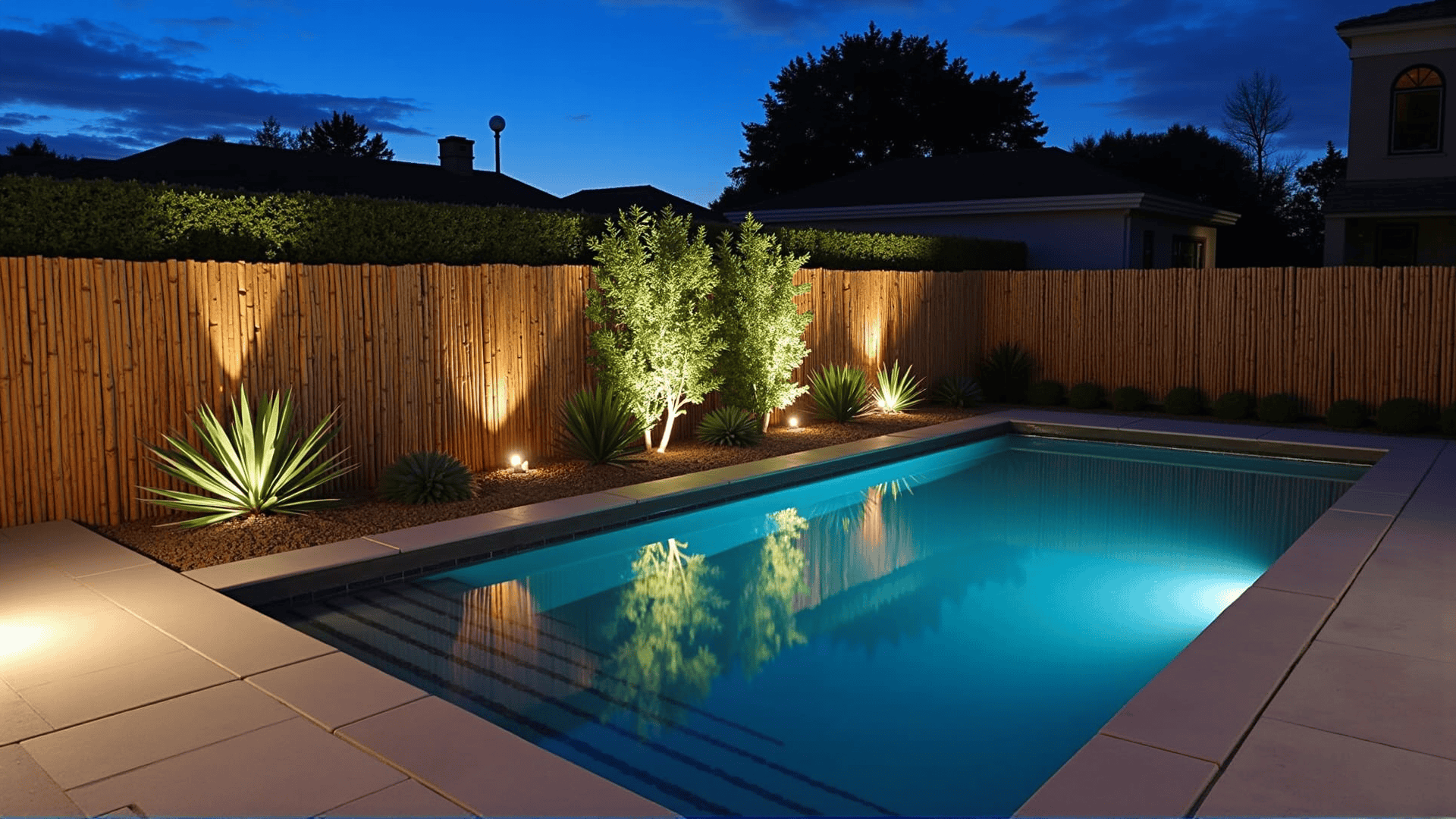
Let me tell you something I've learned after installing thousands of pools: the most common question isn't about cost - it's "How long until we can swim?" As a father of three, I completely understand that excitement. Let's break down what you can realistically expect with each pool type.
Fiberglass Pools (2-3 Weeks)
Think of installing a fiberglass pool like orchestrating a well-rehearsed performance. Here's the typical timeline:
- Days 1-2: Excavation and base preparation
- Day 3: Pool delivery and placement (my favorite part - watching clients' faces as their pool arrives on a truck!)
- Days 4-7: Plumbing and backfilling
- Days 8-14: Deck construction and finishing touches
- Days 15-21: Final inspections and water chemistry balancing
Vinyl Liner Pools (4-6 Weeks)
Installing a vinyl liner pool is like building a
- sophisticated puzzle: Week 1: Excavation and wall panel assembly
- Week 2: Floor formation and plumbing
- Week 3: Liner installation (pro tip: warm weather makes this much easier)
- Weeks 4-6: Coping installation, decking, and finishing work
Concrete Pools (3-6 Months)
This is where patience becomes a virtue. The timeline looks something like this:
- Weeks 1-2: Excavation and plumbing rough-in
- Weeks 3-4: Steel installation and electrical work
- Weeks 5-6: Shotcrete/gunite application
- Weeks 7-10: Curing time (this can't be rushed - trust me, I've seen the consequences)
- Weeks 11-16: Tile work and plastering
- Weeks 17-24: Decking and final touches
Site Preparation: The Hidden Hero
Here's something many homeowners don't realize: proper site preparation is crucial for all pool types. I always tell my clients it's like building a house - you wouldn't skip the foundation, right? We need to consider:
- Soil conditions (sometimes we find surprises!)
- Access for equipment (those tight side yards can be tricky)
- Utility locations (nobody wants to hit a gas line)
- Drainage patterns (water always wins - we need to work with it, not against it)
Weather Considerations

After 48 years in the business, I've learned that Mother Nature doesn't always cooperate with our schedules. Rain can delay concrete work, extreme heat can affect curing times, and cold temperatures can impact liner installations. We build these potential delays into our timelines to set realistic expectations.
Remember, a quality installation isn't about speed - it's about doing things right. When clients get anxious about timelines, I remind them that they'll be enjoying this pool for decades to come. A few extra weeks of proper installation is worth years of trouble-free enjoyment.
Next up, let's explore the exciting world of customization options for each pool type - because this is where your dream pool really starts taking shape.
Customization & Design Options

Having designed countless pools over my career, I've learned that this is where dreams meet reality - and sometimes exceed it. Let me share what's possible with each pool type, sprinkled with some real-world insights I've gained along the way.
Fiberglass Pools: Pre-Designed Excellence
Think of fiberglass pools like buying a luxury car - you get to choose from expertly designed models, but there are physical limitations:
- Maximum width: 16 feet (due to shipping restrictions)
- Length: typically up to 40 feet
- Pre-molded features: tanning ledges, built-in spas, benches
- Color options: extensive variety of gel coat finishes
Designer's Tip: While you can't change the shape, modern fiberglass pools come with incredibly well-thought-out designs. I've had numerous clients who initially wanted custom shapes end up falling in love with fiberglass layouts they hadn't even considered.
Concrete Pools: The Sky’s the Limit
This is where my inner artist gets excited. Concrete pools are like having a blank canvas:
- Unlimited size and depth options
- Any shape imaginable (I once designed a guitar-shaped pool for a musician!)
- Custom features: infinity edges, beach entries, swim-up bars
- Varied finishes: pebble, quartz, glass bead, tile
Real-World Insight: While the possibilities are endless, I always advise clients to consider the pool's primary purpose. That intricate design might look amazing, but if you're mainly using it for lap swimming, simpler might be better.
Vinyl Liner Pools: The Happy Medium
These offer more flexibility than fiberglass but less than concrete:
- Customizable shapes within standard parameters
- Size flexibility (though typically not as extensive as concrete)
- Limited to straight or gradually curved lines
- Wide variety of liner patterns and colors
- Built-in steps and benches available
Pro Tip: After decades in the business, I've found that vinyl liner pools excel at classic rectangular and L-shaped designs. They're perfect when you want some customization without the complexity of concrete.
Built-in Features Worth Considering
Regardless of pool type, here are some features that my clients consistently love:
- Tanning ledges (perfect for young families)
- Built-in seating (great for socializing)
- LED lighting (transforms your pool at night)
- Water features (the sound of falling water is incredibly relaxing)
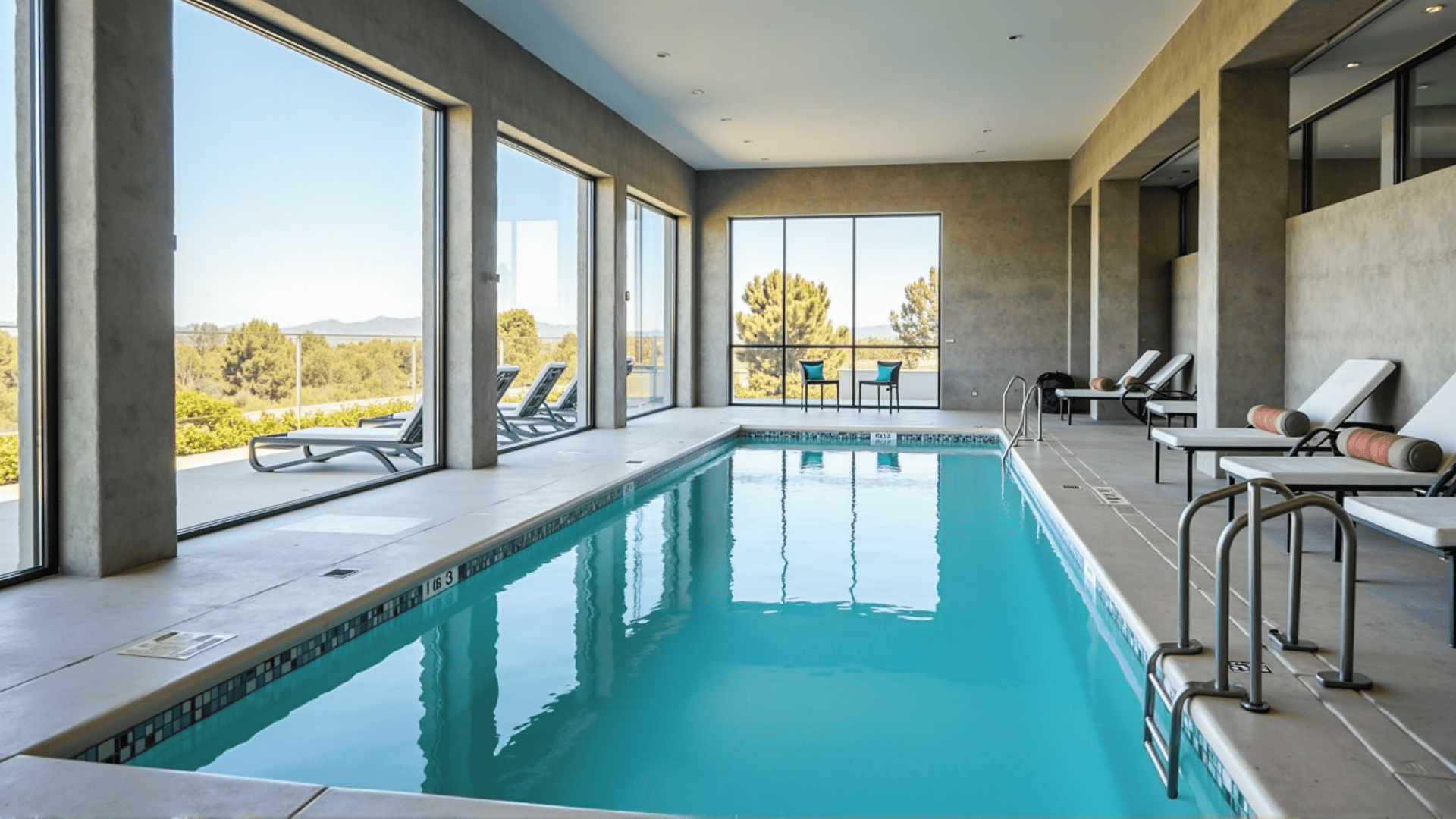
Remember, the best pool design isn't always the most elaborate one - it's the one that fits your lifestyle perfectly. I once had a client insist on an elaborate concrete design, only to later admit they would have been happier with a simpler fiberglass pool that better suited their lap-swimming needs.
Next, let's talk about the Secret Pool Builders Los Angeles Guide and what these different options mean for your wallet - because understanding the initial investment is crucial for making an informed decision.
Initial Investment

Let's talk money - and I promise to be as transparent as pool water should be. After 48 years in the pool industry, I've learned that understanding the true initial investment helps prevent those "why didn't anyone tell me about this?" moments later.
Base Price Ranges
Standard packages usually cover:
- Basic pool structure and installation
- Essential plumbing and filtration
- Standard coping and waterline tile (for concrete)
- Basic pool equipment
What’s Often Not Included
(But You Might Want) Here's where many homeowners get surprised. These extras can add $10,000-$30,000 or more:
- Decking/patio around the pool
- Fencing (usually required by code)
- Landscape restoration
- Automatic covers
- Heaters or heat pumps
- Advanced sanitization systems
Pro Tip: I've found that planning for about 15-20% above the base price gives you a more realistic budget for creating the complete backyard environment you're envisioning.
Financing Considerations
I'm not a financial advisor, but I've seen what works for many families:
- Home equity loans often offer better rates than pool-specific financing
- Many manufacturers offer special financing programs
- Consider the tax implications (consult your tax advisor)
Value Proposition for Each Type
Based on my experience:
- Vinyl Liner: Best for immediate affordability
- Fiberglass: Excellent mid-range value, especially considering lifetime costs
- Concrete: Highest initial investment but offers maximum customization
Real Talk: I once had a client choose the cheapest option possible, only to spend more in upgrades over the next two years than if they'd gone with their preferred choice initially. Sometimes, spending a bit more upfront can save money in the long run.
Hidden Cost Considerations
Don't forget about:
- Permit fees (varies by location)
- Utility upgrades (electrical panel, gas line)
- Access issues (crane costs, fence removal)
- Soil conditions (rocky soil can add excavation costs)
Remember, investing in a pool is like investing in your home's future - it's about finding the sweet spot between what you want and what makes financial sense for your family. Next, let's dive into something equally important: understanding the ongoing maintenance requirements for each pool type.
Long-Term Maintenance Requirements


After building pools for nearly five decades, I've learned that the difference between a pool that's a joy and one that's a burden often comes down to understanding maintenance requirements. Let me share what real-world pool ownership looks like for each type.
Fiberglass Pools: The Low-Maintenance Champion
Think of a fiberglass pool like a modern smartphone - sophisticated but user-friendly:
- Weekly maintenance: 1-2 hours
- Chemical usage: Minimal (thanks to non-porous surface)
- Cleaning requirements: Light brushing, regular skimming
- Professional services: Optional, mostly for convenience
Pro Tip: I have many clients who successfully maintain their fiberglass pools themselves, even with busy professional schedules. The gel coat surface is your best friend here - algae simply struggles to get a foothold.
Concrete Pools: The High-Maintenance Luxury
This is like owning a classic car - beautiful, but demanding:
- Weekly maintenance: 3-4 hours
- Chemical usage: Higher (concrete affects pH levels)
- Cleaning requirements: Regular brushing to prevent algae
- Professional services: Recommended for optimal care
Real Talk: I always tell my concrete pool clients, "Your pool is like having another part-time job unless you hire a service." The porous surface demands attention, but the results can be worth it for those who appreciate the customization.
Vinyl Liner: The Middle Ground
Think of vinyl liner maintenance like maintaining a modern car:
- Weekly maintenance: 2-3 hours
- Chemical usage: Moderate
- Cleaning requirements: Regular but not intensive
- Professional services: Beneficial but not mandatory
Personal Experience: I've found that vinyl liner pools hit a sweet spot for many families - not too demanding, but requiring enough attention to keep you engaged with proper care.
Universal Maintenance Musts
Regardless of pool type, you'll need to:
- Monitor water chemistry (2-3 times weekly)
- Run filtration system appropriately
- Clean skimmer and pump baskets
- Maintain proper water level
- Winterize in cold climates
Smart Technology Integration
Here's something exciting I've been recommending lately:
- Automated chemical monitoring systems
- Smart pool controls via smartphone
- Robotic cleaners (especially helpful for concrete pools)
- Automated water level controls
Designer's Insight: I've noticed that clients who invest in automation tend to enjoy their pools more - it's like having a pool butler at your fingertips.
Remember, maintenance isn't just about keeping your pool clean - it's about protecting your investment. Next, let's explore how these maintenance requirements play into the overall durability and lifespan of each pool type.
Durability & Lifespan


Having watched pools age over multiple decades in this business, I've gained a unique perspective on how each type weathers the test of time. Let me share what you can really expect - no sugar coating, just straight talk from someone who's seen it all.
Fiberglass Pools: The Marathon Runner
Built to go the distance:
- Shell lifespan: 25+ years (I've seen many hit 40+ years)
- Gel coat surface: 15-20 years before potential resurfacing
- Structural integrity: Excellent resistance to ground movement
- Common issues: Surface spider cracks (usually cosmetic)
Real-World Note: One of my first fiberglass installations from the late 70s is still going strong - the family just updated the deck last year, but the pool itself? Still performing beautifully.
Concrete Pools: The Durable but Demanding
Like a well-built stone house:
- Structure lifespan: 50+ years with proper care
- Surface refinishing: Needed every 10-15 years
- Structural integrity: Excellent, but can develop cracks
- Common issues: Surface etching, plaster wear
Pro Insight: I always tell clients, "A concrete pool will likely outlast your mortgage, but it'll need some facelifts along the way." The key is staying ahead of maintenance rather than playing catch-up.
Vinyl Liner: The Regular Refresher
Think of it like repainting your house:
- Structure lifespan: 25+ years
- Liner replacement: Every 7-10 years
- Structural integrity: Good, but walls can shift
- Common issues: Liner wrinkles, tears, fading
Designer's Tip: I've found that liner replacements, while necessary, offer an opportunity to update your pool's look. It's like getting a new pool every decade.
Warranty Considerations
Here's what typically comes with each:
- Fiberglass: 25+ year structural warranty
- Concrete: 10-15 year structural warranty
- Vinyl: 20-30 year structure, 5-10 year liner warranty
Important Note: Always read the fine print. I've seen too many homeowners surprised by warranty exclusions. Check this Exclusive: Top Los Angeles Pool Contractor Picks!
Environmental Factors That Impact Longevity
Based on my experience in various climates:
- Soil conditions (especially important for fiberglass)
- Freeze/thaw cycles (concrete pools need special attention)
- Sun exposure (affects vinyl liners most)
- Groundwater levels (impacts all types differently)
Remember, longevity isn't just about how long a pool lasts - it's about how well it performs throughout its life. Next, let's look at how these durability factors translate into real costs over time, because that's where the rubber really meets the road.
Cost of Ownership Analysis

Let's talk numbers - and not just the kind you see on the initial price tag. After 48 years in the pool industry, I've tracked how these investments play out over time. Think of this as your pool's financial forecast for the next decade.
10-Year Cost Comparison
(Based on a Standard 16x32 Pool)
Fiberglass Pool:
- Initial cost: $65,000
- Annual maintenance: $500
- Major repairs/refinishing: Minimal
- 10-year total: ~$70,000
Vinyl Liner Pool:
- Initial cost: $45,000
- Annual maintenance: $700
- Liner replacement (occurs 1-2 times): $4,500-9,000
- 10-year total: ~$65,000-70,000
Concrete Pool:
- Initial cost: $85,000
- Annual maintenance: $1,200
- Resurfacing (at year 10): $12,000-15,000
- 10-year total: ~$109,000
Pro Tip: I always tell my clients, "The cheapest pool isn't always the most affordable in the long run." I've seen this play out countless times.
Hidden Cost Factors
Things that often surprise owners:
- Chemical usage (concrete pools use 30-40% more)
- Energy costs (pump runtime variations)
- Water usage (evaporation and backwashing differences)
- Professional service needs
Maintenance Expenses Breakdown
Annual costs typically include:
- Chemicals: $300-800
- Equipment maintenance: $100-300
- Opening/closing (in seasonal areas): $300-500
- Unexpected repairs: Budget 1% of initial cost annually
Real-World Example: Last year, I visited a client who chose vinyl over fiberglass to save $20,000 upfront. Five years later, after two liner replacements due to tree damage, they realized they hadn't actually saved anything.
Energy Efficiency Considerations
Something often overlooked but crucial:
- Pump efficiency differences
- Heating costs variations
- Cover system benefits
- LED lighting savings
Designer's Insight: Modern variable-speed pumps can save up to 80% on energy costs. I've seen monthly electric bills drop from $150 to $30 after upgrading.
Remember, cost of ownership isn't just about money - it's about value received for money spent. When clients ask me about the "best deal," I always ask them to consider not just what they'll pay, but what they'll get in return over the years.
Next, let's explore how salt systems interact with different pool types - because this popular feature can significantly impact your long-term costs and maintenance needs.
Salt System Compatibility


After installing hundreds of salt systems over the years, I've learned one crucial truth: not all pools play equally nice with salt. Let me share what I've discovered about salt systems and how they interact with different pool types - it might surprise you.
Fiberglass Pools: The Perfect Match
Think of fiberglass and salt systems like peanut butter and jelly:
- Completely inert to salt exposure
- No material degradation concerns
- Long-term performance excellence
- Ideal surface chemistry interaction
Personal Experience: I installed a salt system in my daughter's fiberglass pool seven years ago - it still looks and performs like new. The non-reactive nature of fiberglass makes it the ideal partner for salt systems.
Vinyl Liner Pools: The Cautionary Tale
Here's where things get tricky:
- Liner material handles salt well
- BUT metal wall components can corrode
- Special attention needed for metal parts
- Proper grounding is crucial
Pro Tip: If you're set on a salt system with vinyl, I always recommend upgrading to polymer wall panels. I've seen too many steel walls deteriorate behind liners due to salt exposure.
Concrete Pools: The High-Maintenance Relationship
Like mixing oil and water:
- Salt can accelerate surface wear
- Stone and brick coping may deteriorate faster
- Metal components need regular inspection
- May void some surface warranties
Real-World Warning: I once had a client ignore my advice about salt with their concrete pool. Two years later, we were discussing premature resurfacing due to salt-related degradation.
System Requirements for Success
Regardless of pool type, you'll need:
- Proper cell sizing for your pool volume
- Quality control system
- Regular cell cleaning
- Stabilized salt levels
Benefits Worth Considering
When properly matched:
- Softer water feel
- Reduced eye irritation
- Lower chemical costs
- More stable sanitization
Designer's Insight: About 70% of my fiberglass pool clients opt for salt systems, while only about 30% of concrete pool owners do. The numbers tell the story about compatibility.
Remember, choosing a salt system isn't just about the immediate benefits - it's about how your pool will handle it over the next decade. Next, let's explore how to make your final decision based on all these factors we've discussed.
Choosing the Right Pool Type

After helping thousands of families select their perfect pool over the past 48 years, I've developed what I call the "Perfect Pool Matrix." Let me share how to evaluate your specific situation to make the best choice for your family.
Site Considerations

First, let's look at your property:
- Sloped yards often favor concrete pools
- Limited access might rule out fiberglass
- Soil conditions can impact all types differently
- Existing landscaping considerations
Real Example: Last year, I had clients dead-set on fiberglass until we discovered their 6-foot side yard access. We pivoted to vinyl liner, and they couldn't be happier with the result.
Lifestyle Factors
Consider your daily reality:
- Young family? Consider fiberglass (softest surfaces)
- Frequent entertainers? Concrete offers more design flexibility
- Busy professionals? Fiberglass requires least maintenance
- Serious swimmers? Any type works, but consider length/depth needs
Pro Insight: I always ask clients, "How do you spend your weekends?" If the answer is "maintaining our home," they might enjoy the hands-on nature of a concrete pool. If it's "watching our kids' soccer games," low-maintenance fiberglass might be better.
Budget Alignment
Think both short and long-term:
- Initial budget constraints? Vinyl liner
- Long-term value focus? Fiberglass
- Investment property? Consider resale appeal
- Luxury custom design? Concrete
Designer's Tip: Don't just match your budget to initial costs. I've seen too many clients regret not spending a bit more upfront for significant long-term savings.
Local Climate Considerations
Your environment matters:
- Freeze/thaw zones: All types work, but installation timing is crucial
- High UV exposure: Consider fade resistance
- Coastal areas: Salt air affects different materials differently
- Heavy rain regions: Drainage becomes critical
Personal Experience: Having built pools in various climates, I've learned that local weather patterns should influence about 25% of your decision-making process.
Long-Term Goals
Think about your future:
- Planning to stay 5+ years? Consider durability
- Resale value important? Research local preferences
- Future landscaping plans? Factor in flexibility
- Family growth expectations? Size accordingly
Remember, the "perfect" pool is the one that fits your specific situation. I've never met two families with exactly the same needs, which is why this decision is so personal. Next, let's wrap everything up and outline your next steps toward making this dream a reality.
Making Your Decision
After 48 years of turning backyards into paradise, we understand that choosing the right pool type is just the beginning of your journey. What matters most is having an experienced partner who can bring your vision to life while respecting your budget and timeline.
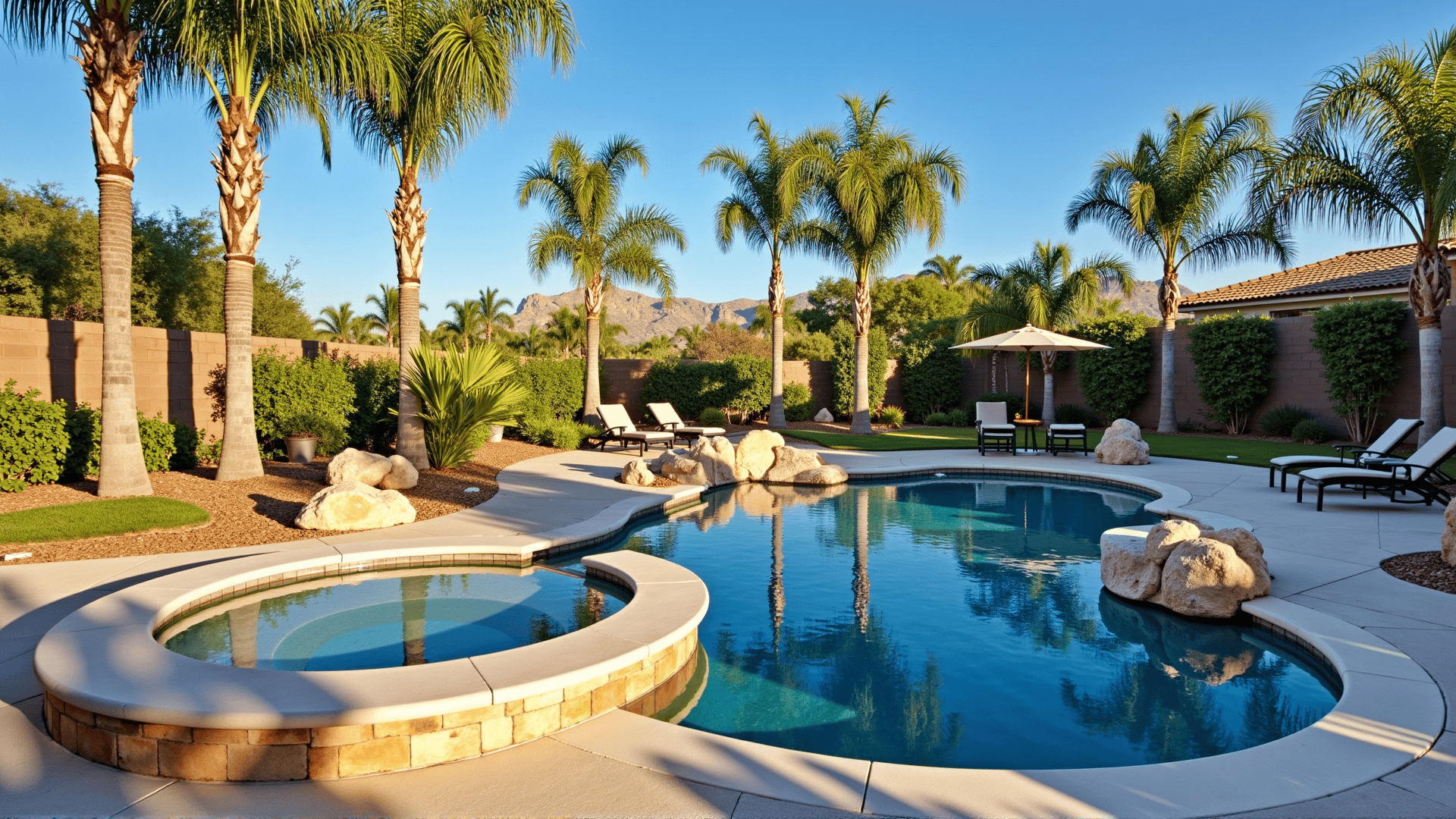
Each pool type we've discussed has its unique advantages, and our expertise with all three means we can offer unbiased guidance based on your specific needs - not just what we prefer to build. Our proven track record with fiberglass, vinyl liner, and concrete pools sets us apart in Southern California.
We take pride in our transparent approach to pricing, comprehensive warranties, and ongoing support that extends well beyond installation. Our clients consistently tell us that our attention to detail and commitment to education made their decision-making process easier and gave them confidence in their investment.
Ready to take the next step? Let our design team help you explore which pool type best matches your lifestyle and property. We'll guide you through every option, ensuring you make an informed decision that you'll be happy with for years to come.
Contact us today at (310) 261-2440 to schedule your free consultation, or visit our contact us page to request a callback. Let's start planning your perfect pool together. Your dream pool is just a conversation away.