Resort-Style vs. Traditional Pools: Transform Your Backyard with the Perfect Pool Design
Choosing between resort-style and traditional pools is about more than aesthetics—it's about creating the perfect outdoor living space for your lifestyle. Resort-style pools offer a luxury vacation experience with features like infinity edges, waterfalls, beach entries, and tropical landscaping, typically ranging from $55,000 to $130,000+.
These pools excel at creating ambiance and entertainment spaces but require more maintenance and specialized care. Traditional pools, costing $25,000 to $100,000, focus on functionality with classic rectangular or kidney shapes, making them ideal for families, exercise, and easier maintenance. Key factors in your decision include property elevation, climate considerations, intended use (entertainment vs. family activities), maintenance commitment, and budget.
Both styles can increase property value by 5-15%, with resort-style pools offering higher returns in luxury markets. Whether you choose the exotic allure of a resort-style oasis or the practical elegance of a traditional pool, professional expertise ensures your investment aligns with your property's characteristics and lifestyle needs. The best pool isn't necessarily the most elaborate—it's the one that perfectly fits your family's daily life and long-term goals.
Defining Your Pool Dreams: Resort-Style vs. Traditional Pools

After nearly five decades in the pool building business, I've sat across countless kitchen tables with homeowners, each carrying their own vision of backyard paradise. The conversation always starts the same way: "We want a pool, but we're not sure what style fits us best."
Let me paint a picture for you. Imagine two very different scenes: First, picture yourself at a luxury resort in Bali. You're lounging by a pool that seems to merge seamlessly with the horizon, tropical plants swaying in the breeze, the sound of a waterfall cascading nearby. The pool's edges disappear, creating an illusion of infinite water. This is the essence of resort-style pools.
Now, envision the classic American backyard pool – perhaps the one you grew up swimming in at your best friend's house. Clean lines, rectangular shape, diving board at one end, and a simple concrete patio surrounding it. This timeless design is what we call a traditional pool.
What Makes a Pool “Resort-Style”?
Resort-style pools are all about creating an experience. They transport you from your suburban backyard to a five-star vacation destination. These pools often feature:
- Organic shapes that flow naturally with your landscape
- Water features like waterfalls, fountains, or grottos
- Infinity edges that create visual drama
- Beach entries where you can wade in gradually
- Integrated spas that seamlessly connect to the main pool
- Surrounding environments with tropical landscaping and luxury materials
Think of resort-style pools as the difference between a basic hotel room and a luxury suite – both serve the same function, but one creates an unforgettable experience.
The Enduring Appeal of Traditional Pools
Traditional pools, on the other hand, celebrate simplicity and functionality. They're the workhorses of the swimming pool world. These pools typically offer:
- Classic shapes (rectangular, kidney, or oval)
- Straight edges with defined boundaries
- Practical features like steps, benches, and diving boards
- Efficient use of space
- Lower maintenance requirements
- Versatility for various activities
I often tell clients that traditional pools are like a well-tailored suit – classic, functional, and never goes out of style.
How Your Vision Aligns with Each Style
Here's where we need to have an honest conversation about your lifestyle. I always ask my clients to consider:

If you lean toward resort-style pools:
- Do you prioritize aesthetics and ambiance?
- Is entertaining a significant part of your lifestyle?
- Are you willing to invest more in both installation and maintenance?
- Do you want your pool to be the centerpiece of your outdoor living space?
If traditional pools appeal to you:
- Is functionality your primary concern?
- Do you have active children who will use the pool for swimming and games?
- Are you looking for a more budget-conscious option?
- Do you prefer clean, simple aesthetics?
Finding Your Perfect Match
The beauty of custom pool design is that these aren't rigid categories. I've built pools that blend elements from both styles – perhaps a traditional rectangular shape with a stunning water feature, or a resort-style pool with practical features for family use.
Your pool should reflect your personality and enhance your lifestyle. Whether you dream of creating a tropical escape or prefer the timeless appeal of a classic swimming pool, the key is understanding what matters most to you and your family.
Remember, a pool is more than just a place to swim – it's where memories are made, where families gather, and where you'll spend countless hours enjoying life. Choose the style that speaks to your vision of home.
Let's create something extraordinary together.
Essential Design Elements: Creating Your Perfect Pool

When I first started building pools back in the late '70s, design choices were pretty straightforward. Today? It's like comparing a flip phone to a smartphone. The options are endless, and choosing the right design elements can make the difference between a backyard pool and your personal paradise.
Resort-Style Features: Your Vacation at Home
Let me walk you through the features that turn ordinary pools into extraordinary experiences:
- Infinity Edges: The Showstopper I'll never forget the first infinity pool I built – the homeowner's jaw dropped when we filled it for the first time. The water appeared to merge with the valley view behind their property. These vanishing edges create pure magic, especially when your property overlooks a scenic vista.
But here's the insider tip: infinity edges require precise engineering and a catch basin below, so they work best on sloped properties.
- Beach Entries: Nature's Welcome Mat Picture walking into the ocean – that gradual transition from sand to water. Beach entries (or zero-depth entries) recreate this experience. They're fantastic for families with young children or anyone with mobility concerns. Plus, they're perfect for lounging with a book while staying partially submerged on hot summer days.
- Water Features: The Symphony of Relaxation Whether it's a gentle waterfall cascading over natural stone or sleek laminar jets creating glass-like streams, water features add both visual drama and soothing sounds. I always tell clients: "If you close your eyes by your pool and hear nothing but silence, we've missed an opportunity."
- Swim-Up Bars: Entertainment Central Nothing says "resort living" quite like a swim-up bar. These features transform your pool from a swimming spot into an entertainment destination.

Save Thousands with Experienced Los Angeles Pool Contractors: include underwater stools and a shaded canopy – your back (and your guests) will thank you during those long summer gatherings.
Traditional Pool Features: Timeless Functionality
Traditional doesn't mean boring. These classic elements have stood the test of time for good reason:
- Rectangular Shapes: The Athlete's Choice If you're a serious swimmer, nothing beats a rectangular pool. Clean lines, consistent depth, and optimal length for laps – it's the sedan of the pool world: reliable, practical, and gets the job done beautifully.
- Diving Boards: The Thrill Seeker's Dream While less common today due to insurance considerations, diving boards remain a nostalgic favorite. If you're considering one, ensure your pool meets depth requirements (typically 8-10 feet) and check local regulations.
- Built-in Steps and Benches: Practical Luxury These might seem basic, but well-designed steps and benches are game-changers. They provide easy entry/exit points and create perfect spots for socializing or watching kids play.
Impact on Your Outdoor Living Space
Here's something I learned after decades in this business: your pool design affects your entire backyard ecosystem.
Resort-style pools demand complementary landscaping and often become the focal point around which everything else revolves. Traditional pools, however, integrate more subtly, allowing other backyard features to share the spotlight.
Consider how each design element affects:
- Traffic flow around your yard
- Sight lines from your home
- Available space for outdoor furniture
- Maintenance access points
- Privacy from neighbors
Whether you're drawn to the exotic allure of resort-style features or the practical elegance of traditional design, remember this: the best pool is one that fits your lifestyle, not your neighbor's Instagram feed.
Your perfect pool should feel like a natural extension of your home and reflect how you actually live, not just how you think you should live. After all, the most beautiful pool in the world is worthless if it doesn't invite you to dive in.
Material Selection and Construction Methods
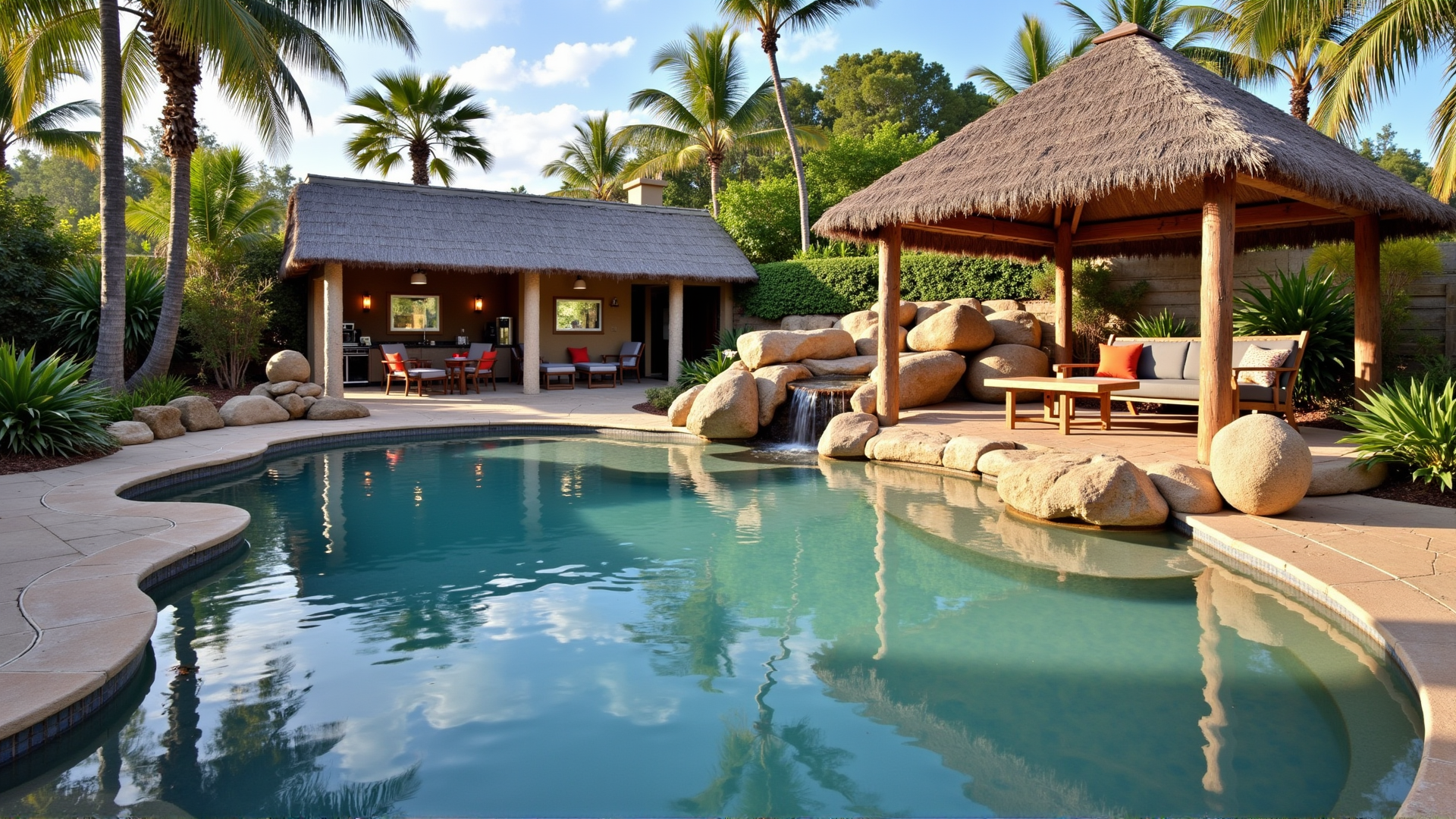
You know what's frustrating? Spending hours on Pinterest looking at gorgeous pools, only to realize you don't understand half the materials being used. After 48 years in this business, I've learned that choosing the right materials isn't just about aesthetics – it's about finding the perfect marriage between beauty, durability, and your budget. Let me break this down into real terms you can actually use.
Premium Materials for Resort-Style Pools
When clients ask me about creating that "resort feel," I always start with the materials. It's like choosing between a designer handbag and a quality everyday bag – both serve their purpose, but one makes a statement.
Natural Stone: The Crown Jewel
Nothing says luxury quite like natural stone. I recently worked with travertine on a project, and even after a decade, it still looks like it was installed yesterday. Yes, it costs more upfront, but consider this:
- Travertine: Stays cool underfoot (your bare feet will thank you)
- Limestone: Develops a beautiful patina over time
- Flagstone: Each piece is unique, creating natural artwork
Glass Tiles: When You Want to Sparkle
Remember those old bathroom tiles from the '70s? Glass tiles are their sophisticated grandchildren. They create this incredible shimmer effect underwater that photographs can't capture. Fair warning: they're not cheap, but when the sun hits them just right, you'll understand why resort pools use them.
Pebble Finishes: Nature’s Massage
Ever walked on a pebble beach? That's what these finishes feel like. They're:

- Naturally slip-resistant
- Available in various colors
- Incredibly durable (I've seen them last 20+ years)
- Perfect for that organic, resort-style look
Standard Materials for Traditional Pools
Not everyone needs to recreate the Four Seasons in their backyard. Traditional materials have evolved significantly and offer excellent value.
Concrete: The Reliable Workhorse
Concrete (specifically gunite or shotcrete) is like that reliable friend who's always there for you. It's:
- Highly customizable
- Extremely durable
- Can be shaped into any design
- Accepts various finishes
Here's my pro tip: Don't skimp on the concrete mix quality. The difference between standard and premium concrete might be $2,000, but it could add 10 years to your pool's life.
Fiberglass: The Low-Maintenance Option
Think of fiberglass like a car with a great warranty. These pools:
- Come pre-manufactured
- Install quickly (sometimes in just a week)
- Have smooth, non-porous surfaces that resist algae
- Require less chemical maintenance
The downside? You're limited to pre-designed shapes. But for many families, the trade-off is worth it.
Vinyl Liner: Budget-Friendly Choice
Vinyl liners are like leasing instead of buying – lower upfront cost but ongoing replacement needs. They're:
- The most affordable option
- Soft and smooth underfoot
- Available in countless patterns
- Need replacement every 7-10 years
Durability and Aesthetic Considerations
Here's something I tell all my clients: materials aren't just about looks or cost – they're about lifestyle compatibility.
Resort-style materials:
- Require more maintenance but offer superior aesthetics
- Cost more initially but often increase property value more significantly
- Age beautifully when properly maintained

Traditional materials:
- Offer excellent durability with standard maintenance
- Provide more budget flexibility
- Allow for easier repairs and renovations
The Construction Process Makes the Difference
The best materials in the world won't save a poorly constructed pool. Here's what matters:
- Proper ground preparation - Like building a house, your pool needs a solid foundation
- Quality waterproofing - This isn't where you want to cut corners
- Professional installation - Especially for premium materials that require specialized skills
Making Your Decision
When clients ask me which materials to choose, I always say: "Tell me about your life, not just your budget." Because here's the truth – the right material choice depends on:
- How much maintenance you're willing to do
- Your aesthetic preferences
- Your property's characteristics
- Your long-term plans for the home
Remember, whether you choose marble tiles that would make a Roman emperor jealous or practical concrete that'll outlast your mortgage, the best pool is one that fits your lifestyle. After all, pools aren't just about swimming – they're about creating the backdrop for your family's memories.
And trust me, after building hundreds of pools, I've learned that those memories look beautiful regardless of whether they're reflected in glass tiles or standard plaster.
Cost Analysis: Investment and Value
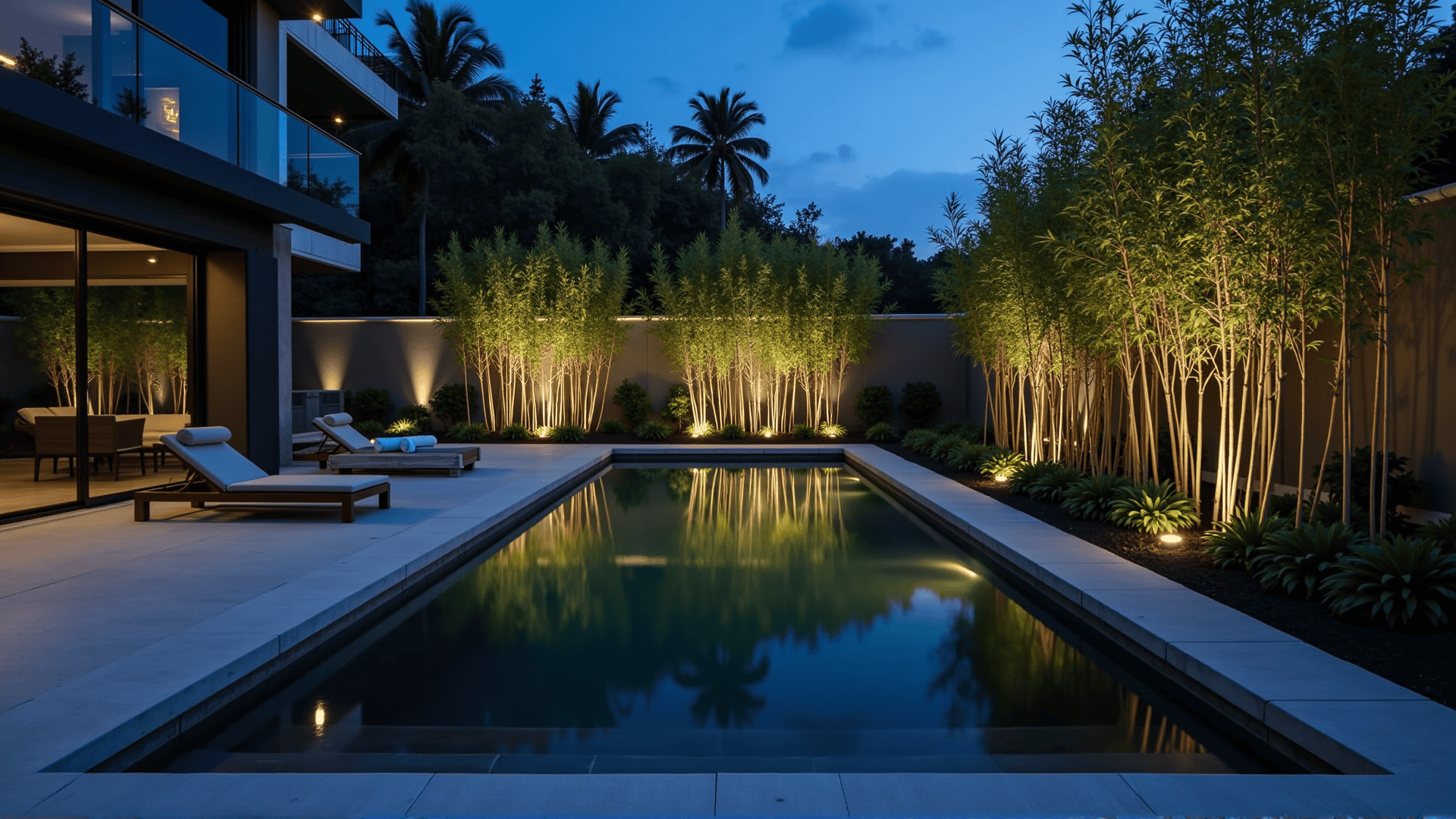
Let's talk money. I know – it's everyone's least favorite part of the pool conversation, but after building pools for nearly five decades, I've learned that understanding the true cost picture is what separates a great investment from a financial headache.
Initial Installation Costs for Each Style
Here's the reality check most builders won't give you upfront:
Resort-Style Pools: The Premium Investment
A resort-style pool typically starts around $55,000 and can easily climb past $130,000. Why such a range? Think of it like buying a luxury car – the base model is nice, but once you start adding features, the price climbs quickly:
- Infinity edge: Add $55,000-$130,000 (yes, really)
- Beach entry: $50-$125 per square foot
- Waterfalls: $2,000-$8,800
- Swim-up bar: $5,000-$15,000
- Natural stone decking: $15-$30 per square foot
I recently completed a resort-style project that started at $80,000. By the time we added the infinity edge, natural stone waterfall, and integrated spa, the final cost was $145,000. But here's the kicker – the homeowners told me it was the best investment they'd ever made.
Traditional Pools: The Practical Choice
Traditional pools offer more budget flexibility, ranging from $25,000 to $100,000:
- Vinyl liner pools: $25,000-$65,000
- Fiberglass pools: $30,000-$85,000
- Concrete pools: $50,000-$120,000
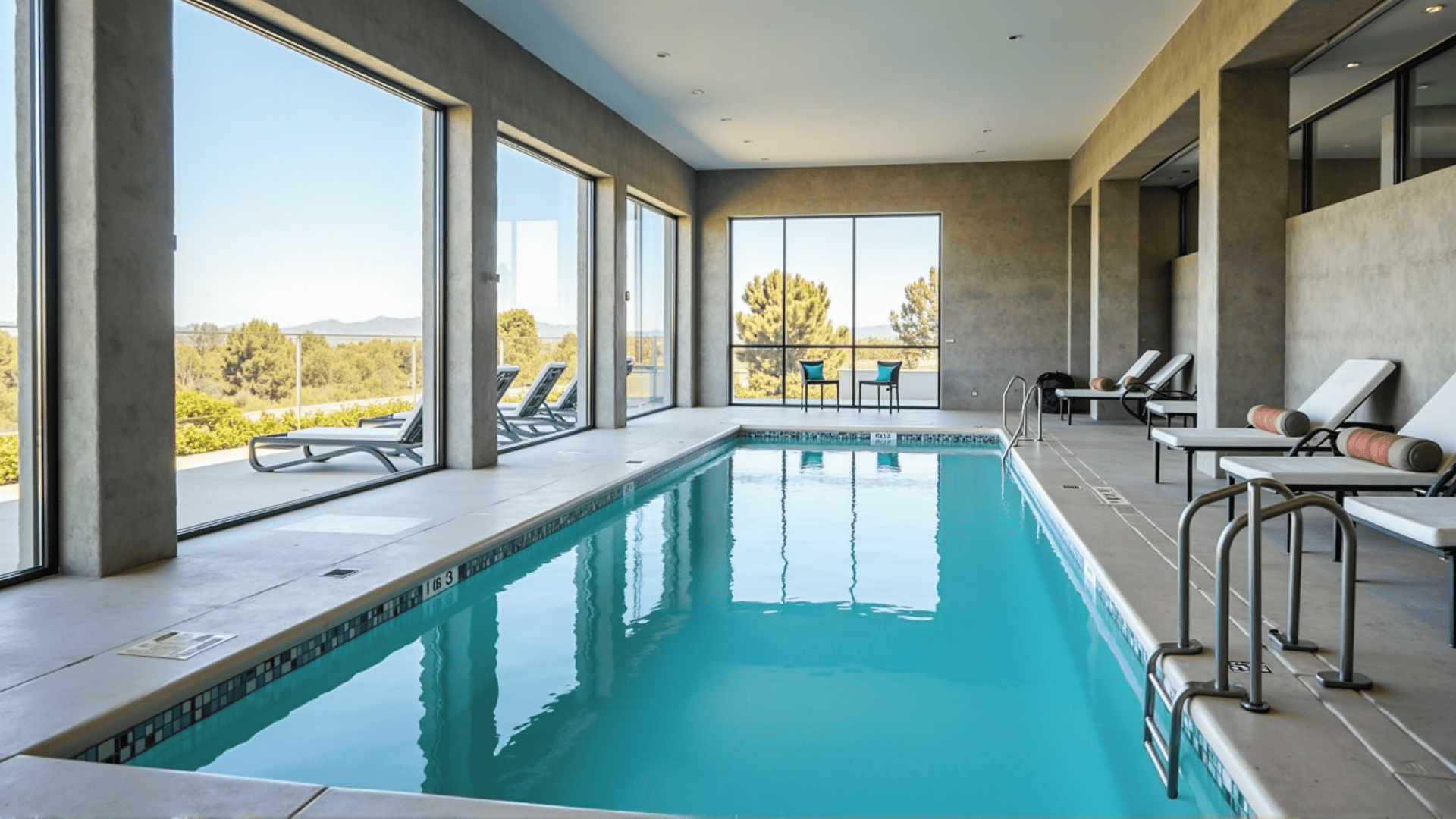
These prices include basic features like steps, simple coping, and standard equipment. It's like buying a reliable sedan – it gets you where you need to go without breaking the bank.
Long-Term Maintenance Expenses
Here's what nobody tells you at the pool store: the purchase price is just the beginning.
Resort-Style Maintenance Reality
Expect to spend $1,500-$5,000 annually on maintenance. Why more than traditional pools?
- Complex water features need regular servicing
- Premium materials require specialized care
- Larger pumps and filters = higher energy costs
- Professional cleaning for intricate designs
I always tell clients: "If you want the Ritz-Carlton experience, you need the Ritz-Carlton maintenance budget."
Traditional Pool Upkeep
Annual maintenance typically runs $1,000-$4,000:
- Standard chemical costs: $500-$800/year
- Energy costs: $300-$1,500/year
- Professional service (optional): $100-$300/month
- Periodic repairs: $500-$2,000/year
One advantage? Many homeowners can handle basic maintenance themselves, saving on service costs.
Return on Investment and Property Value Impact
Now for the good news – pools can be excellent investments when done right.
The Resort-Style ROI
In premium neighborhoods, a well-designed resort-style pool can:
- Increase property value by 7-15%
- Create a "wow factor" that sells homes faster
- Command premium rental rates for vacation properties
I've seen homes sell for $50,000+ over asking price because of their resort-style pool. One real estate agent told me, "That pool sold the house before buyers even went inside."

Traditional Pool Value Proposition
Traditional pools typically add:
- 5-8% to property value
- Broader buyer appeal (families love them)
- Lower cost-to-value ratio
Here's my insider tip: In family-oriented neighborhoods, a well-maintained traditional pool often provides better ROI than an elaborate resort-style design.
The Hidden Costs Nobody Mentions
Let me save you some surprises:
- Permits: $500-$2,000
- Landscaping restoration: $3,000-$10,000
- Fencing (required by law): $3,000-$8,000
- Electrical upgrades: $1,000-$5,000
- Insurance premium increases: $50-$200/year
Making the Smart Investment
After thousands of consultations, here's my framework for making the right financial decision:
- Budget Reality: Plan for 20% over initial estimates
- Lifestyle Math: Calculate cost per use (a $100,000 pool used 200 days/year for 20 years = $25/day)
- Neighborhood Context: Don't be the most expensive pool on the block
- Future Planning: Consider resale value and maintenance commitment
The bottom line? Whether you invest in a resort-style showpiece or a traditional family pool, the best value comes from choosing what aligns with your lifestyle and budget – not what looks good on Instagram.
As I tell all my clients: "A pool is like a marriage – it's not about the wedding day cost, it's about the lifetime commitment." Choose wisely, budget realistically, and you'll have an investment that pays dividends in family memories for decades to come.
Landscaping Integration: Creating the Complete Experience
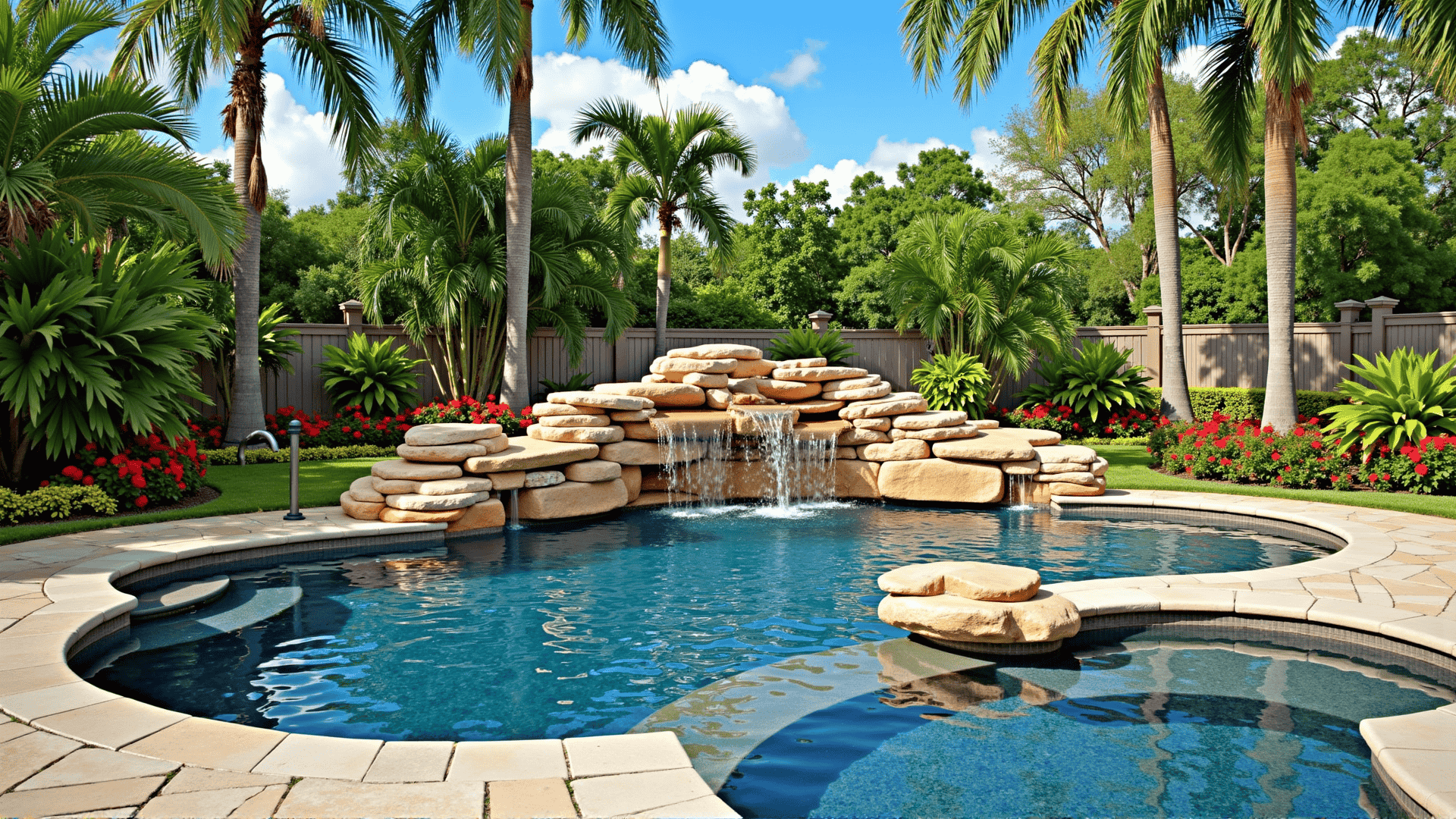
Here's a truth I learned the hard way early in my career: a pool without proper landscaping is like a diamond ring without the setting. Sure, the diamond is beautiful on its own, but it's the setting that makes it truly shine.
After 48 years of building pools, I can spot the difference between a pool that was planned with landscaping in mind and one that wasn't from a mile away. Let me share what I've learned about creating that seamless integration.
Tropical Landscaping for Resort-Style Atmospheres
When clients want that resort feel, I always start with one question: "Where's your favorite vacation spot?" Because creating a resort atmosphere isn't just about palm trees – it's about capturing a feeling.
The Art of Tropical Design
Think of your landscaping as the supporting actor to your pool's leading role. For resort-style pools, you want plants that:
- Create vertical interest (palm trees aren't just cliché – they work)
- Add pops of color (hibiscus, bird of paradise, bougainvillea)
- Provide sensory experiences (jasmine for fragrance, bamboo for sound)
- Frame views rather than block them

I recently worked on a project where we used a combination of Mediterranean fan palms and colorful understory plants. The homeowner later told me, "Every morning with my coffee feels like I'm at that resort in Maui."
Climate Considerations
Here's where I see many DIY landscapers stumble. Not every tropical plant survives every climate. In Texas, for instance, I recommend:
- Cold-hardy palms (Windmill or Mediterranean fan palms)
- Native alternatives that create tropical aesthetics (Texas sage, esperanza)
- Plants that can handle both heat and occasional freezes
Pro tip: Mix real tropical plants with hardy lookalikes. Your wallet (and your plants) will thank you.
Classic Landscaping Approaches for Traditional Pools
Traditional pools deserve thoughtful landscaping too, but with a different philosophy. Think "elegant garden party" rather than "tropical vacation."
Timeless Plant Selections
For traditional pools, I focus on:
- Structured hedges (boxwood, holly)
- Classic flowering shrubs (hydrangeas, roses)
- Formal trees (crepe myrtles, ornamental pears)
- Perennial borders for seasonal color
The goal is to create a sense of order and timeless beauty that complements rather than competes with your pool.
Creating Functional Zones
Traditional landscaping often emphasizes defined spaces:
- Entertainment areas with structured plantings
- Privacy screens using evergreen hedges
- Shade trees positioned for afternoon sun protection
- Lawn areas for family activities
How Your Choice Affects the Entire Backyard Ecosystem
This is where my decades of experience really come into play. Your landscaping choice creates a ripple effect throughout your entire outdoor space.
Resort-Style Impact
When you commit to tropical landscaping:
- Maintenance increases (tropical plants often need more water and care)
- You might need to adjust irrigation systems
- Consider installing landscape lighting to highlight exotic specimens
- Plan for seasonal protection of sensitive plants
Traditional Landscape Effects

With classic landscaping:
- Maintenance is often more predictable
- Native plants typically require less water
- Formal designs may need regular pruning and shaping
- Seasonal changes become part of the aesthetic appeal
Practical Integration Tips
After hundreds of projects, here are my golden rules for landscape integration:
Plan Together, Not Separately
- Coordinate pool and landscape design from day one
- Consider sight lines from inside your home
- Plan for equipment screening (nobody wants to see the pool pump)
Think in Layers
- Ground covers near the pool (prevents soil splash)
- Mid-height shrubs for privacy and wind protection
- Tall elements for shade and vertical interest
Consider Maintenance Access
- Leave paths for pool service
- Avoid thorny plants near pool equipment
- Choose plants that don't drop excessive leaves into the pool
Account for Root Systems
- Keep large trees away from pool structure
- Use root barriers when necessary
- Consider future growth when planting
The Professional Advantage
While I always encourage homeowners to be involved in the design process, landscape integration is where professional expertise really pays off. We understand:
- Which plants work together aesthetically and functionally
- How to avoid costly mistakes (like planting bamboo without barriers)
- Local climate considerations and plant availability
- How to phase installation to manage costs
Creating Your Perfect Outdoor Environment
Whether you're dreaming of a tropical paradise or a classic garden retreat, remember that the best landscape design is one that:
- Complements your pool style
- Fits your maintenance commitment
- Works with your local climate
- Enhances your property value
- Creates the atmosphere you desire
I always tell my clients: "Your pool is the heart of your backyard, but the landscaping is its soul." When these two elements work in harmony, that's when the magic happens.
The most successful projects I've completed aren't just about beautiful pools or stunning plants – they're about creating cohesive outdoor environments where families want to spend time. Whether you choose tropical paradise or classic elegance, the key is thoughtful integration that transforms your entire backyard into a personal resort.
After all, the best compliment I ever received wasn't about the pool itself, but from a client who said, "We haven't taken a vacation in two years – why would we leave when paradise is right here?"
Maintenance Requirements: What to Expect
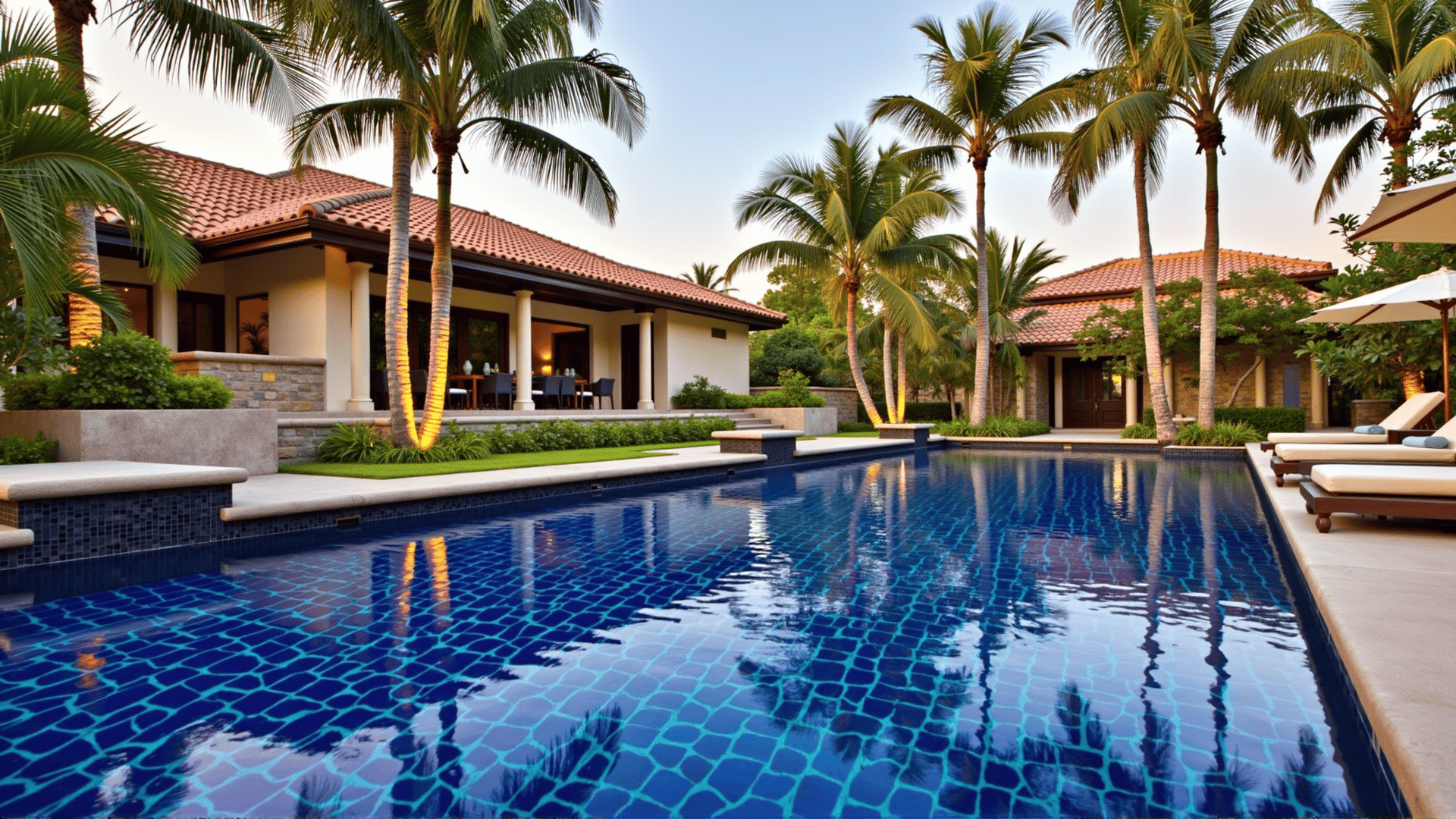

Let me share something that might surprise you: I've built over a thousand pools in my career, but I still maintain my own pool at home. Why? Because nothing teaches you about maintenance quite like doing it yourself. And after 48 years in this business, I've learned that understanding maintenance requirements before you build can save you thousands of dollars and countless headaches.
Specialized Care for Water Features and Infinity Edges
Resort-style pools are like luxury cars – they're gorgeous and impressive, but they need special attention to keep running smoothly.
The Infinity Edge Challenge
Infinity edges are stunning, but they're also the pool equivalent of a high-maintenance relationship. Here's what you're signing up for:
- Daily water level monitoring (that vanishing edge needs precise levels)
- Weekly catch basin cleaning (leaves and debris love that secondary pool)
- Regular pump inspection (two pumps means double the maintenance)
- Quarterly professional calibration (water flow must be perfect)
I once had a client who ignored their catch basin for three weeks. When we finally cleaned it, we found enough leaves to stuff a Thanksgiving turkey. Lesson learned: infinity edges are beautiful but demanding.
Waterfall and Fountain Care
Those cascading waterfalls that make your backyard feel like Bali? They need love too:
- Clean intake filters weekly
- Check water flow balance monthly
- Descale water features quarterly (depending on water hardness)
- Inspect pump seals regularly (water features = extra pump wear)
Limited Availability: Book this Los Angeles Pool Builder Now: Install an automatic chemical feeder. Water features increase evaporation, which concentrates chemicals. Without automation, you'll be testing and adjusting constantly.
Standard Maintenance Routines for Traditional Pools
Traditional pools are like reliable family sedans – they still need maintenance, but it's more straightforward.
The Weekly Routine
Here's my tried-and-true weekly checklist:
- Skim the surface (5-10 minutes)
- Brush walls and steps (prevents algae before it starts)
- Vacuum the floor (or let your robot do it)
- Check and clean skimmer baskets
- Test water chemistry (pH, chlorine, alkalinity)
- Backwash filter if needed (when pressure rises 8-10 PSI)
Monthly Tasks
- Deep clean filter (cartridge) or check DE filter pressure
- Inspect equipment for leaks or unusual noises
- Clean pool tile at waterline (prevents buildup)
- Check automatic cleaner for wear
Annual Professional Service

Even DIY enthusiasts should get annual professional service:
- Equipment inspection and tune-up
- Check for cracks or surface wear
- Test safety equipment
- Acid wash if needed (every 3-5 years)
Seasonal Considerations
Living in Texas, I've learned that our "four seasons" are more like "hot, hotter, hottest, and that one week in February when everyone panics."
Summer Maintenance (Peak Season)
- Test chemistry 2-3 times per week
- Run pumps longer (10-12 hours)
- Check water levels daily (evaporation is real)
- Clean filters more frequently
Fall Considerations
- Install leaf nets if you have deciduous trees
- Reduce pump runtime gradually
- Keep up with skimming (falling leaves)
- Prepare for temperature drops
Winter Care (Yes, Even in Texas)
- Don't close completely (our winters are mild)
- Reduce pump runtime to 6-8 hours
- Keep chemistry balanced (algae doesn't take vacations)
- Protect equipment from rare freezes
Spring Startup
- Deep clean after pollen season
- Check all equipment after winter
- Balance chemistry (spring rains affect pH)
- Service automatic cleaners
Professional Service Needs
Here's my honest take on DIY vs. professional maintenance:
When to DIY
- Basic cleaning and skimming
- Simple chemistry adjustments
- Routine filter cleaning
- Minor equipment troubleshooting
When to Call Pros
- Equipment repairs
- Persistent chemistry problems
- Surface damage or leaks
- Annual comprehensive service
- Complex water feature issues
I always tell clients: "You can change your car's oil, but you probably want a mechanic for transmission work." Same principle applies to pools.
The Real Maintenance Difference
After decades of experience, here's what really matters:
Resort-Style Pools:
- Expect 4-6 hours of maintenance per week
- Budget $200-$400 monthly for professional service
- Plan for specialized repairs ($$$)
- Requires attention to detail
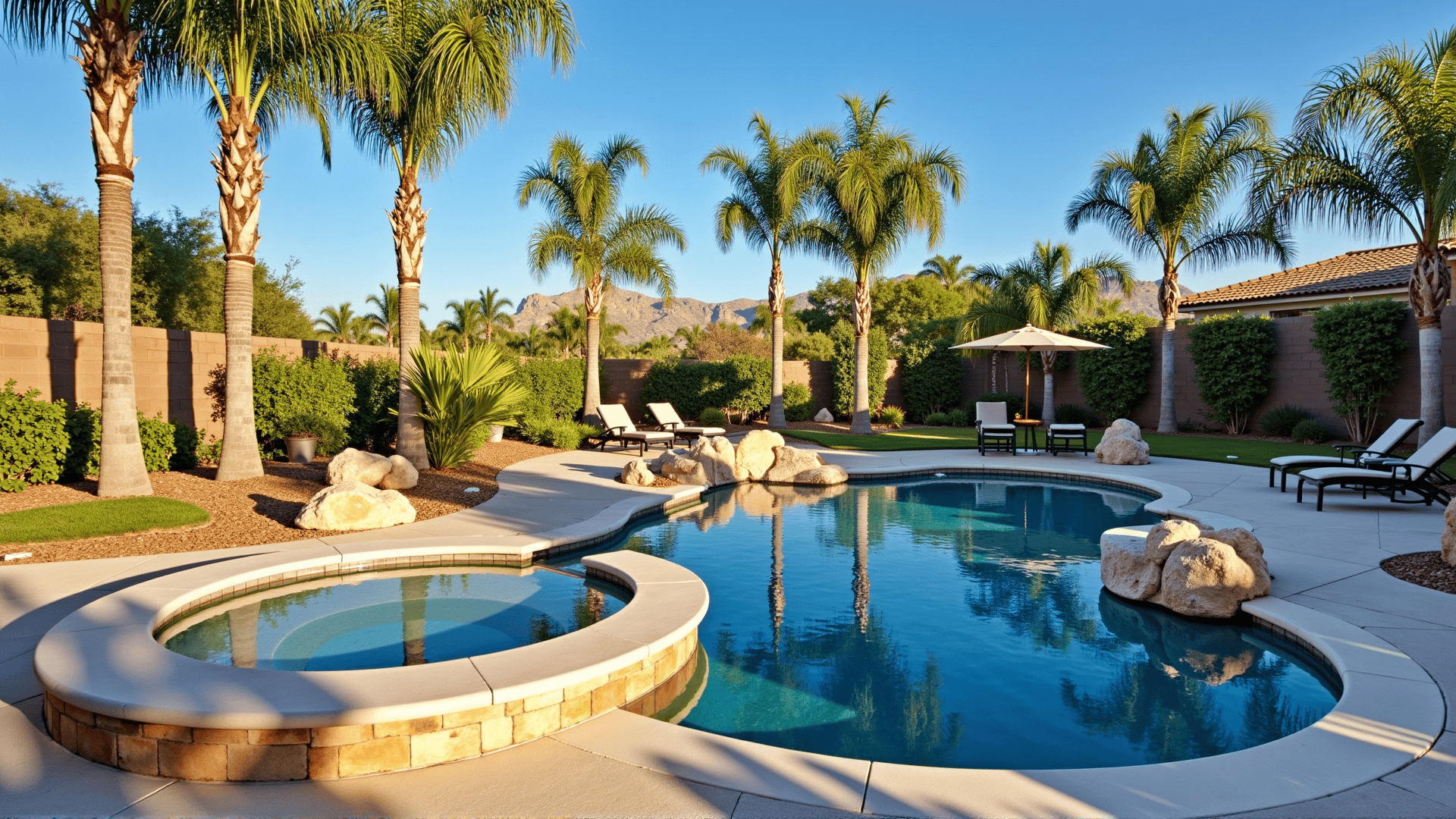
Traditional Pools:
- 2-3 hours of weekly maintenance
- $100-$200 monthly for professional service
- Standard repair costs
- More forgiving of occasional neglect
Maintenance Technology: Your New Best Friend
Modern technology has revolutionized pool maintenance:
Smart Automation
- WiFi-enabled chemical monitors
- Automated pH and chlorine systems
- Smartphone-controlled pumps and heaters
- Robotic cleaners that actually work
Game-Changing Innovations
- Variable-speed pumps (save 80% on energy)
- Saltwater chlorination systems
- UV and ozone sanitizers
- Smart leak detection systems
I recently installed a full automation system in my own pool. Now I get alerts on my phone if the pH drifts, and I can adjust the pump speed from my office. It's like having a pool butler.
Making Maintenance Manageable
Here's my best advice after maintaining pools for nearly five decades:
- Choose wisely - Match your pool style to your maintenance tolerance
- Invest in quality equipment - Cheap pumps cost more in the long run
- Stay consistent - Little and often beats marathon cleaning sessions
- Embrace technology - Modern automation is worth every penny
- Build a relationship with a good service company - Even if you DIY most things
Remember: The best pool is one that gets used. If maintenance becomes overwhelming, you'll avoid your pool, and that defeats the whole purpose.
Whether you choose a resort-style showpiece or a traditional family pool, understanding the maintenance commitment upfront helps ensure your backyard paradise remains a source of joy, not stress.
As I tell all my clients: "A well-maintained pool is like a good friendship - it requires regular attention, but the rewards are worth every minute invested."
Family Functionality vs. Entertainment Focus
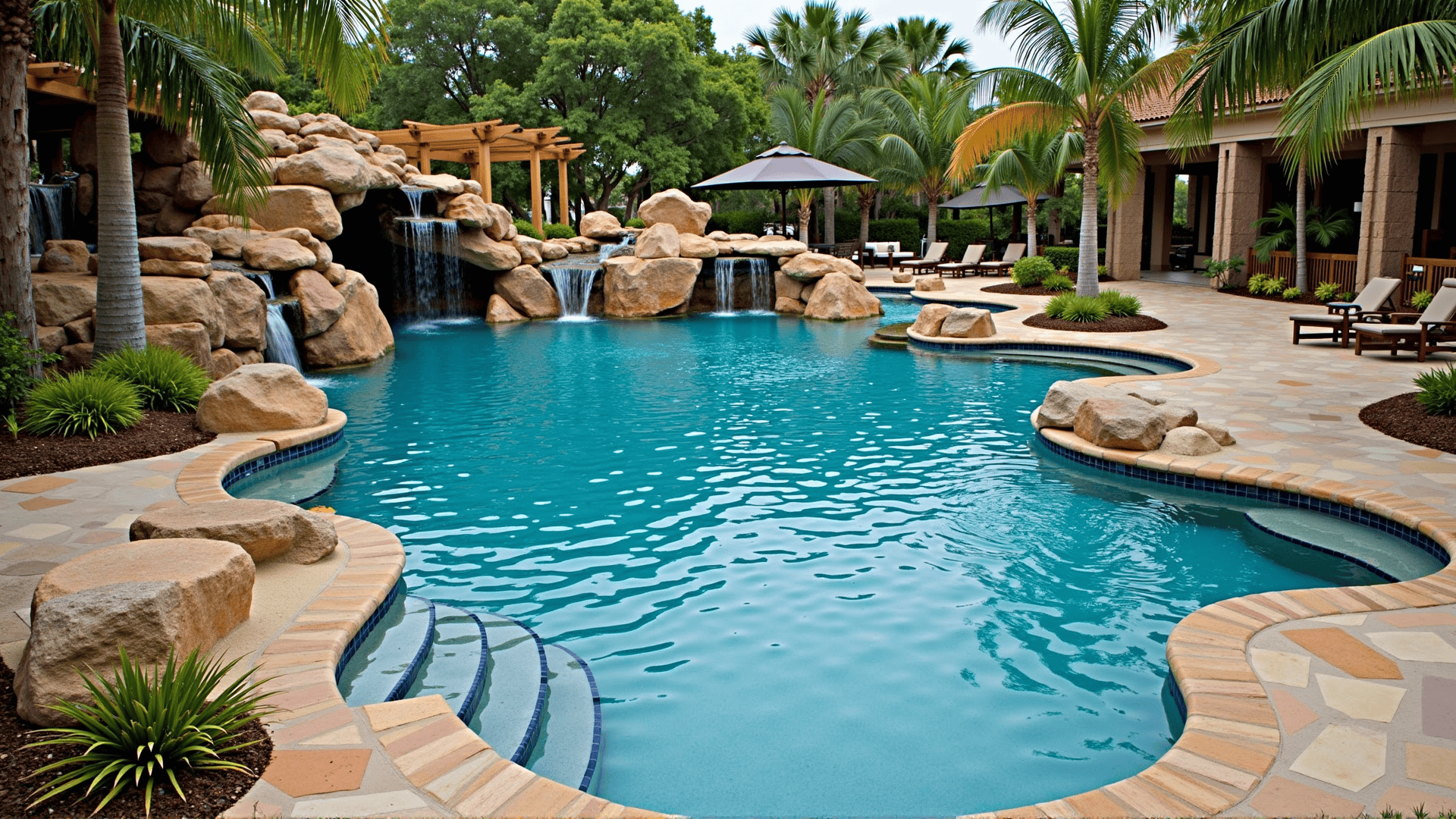
After building pools for nearly five decades, I've noticed something interesting: the conversation always starts with "we want a pool," but quickly branches into two very different directions. Either families light up talking about their kids' swim team practice and Marco Polo games, or they start describing sunset cocktail parties and elegant dinner gatherings.
This isn't just about aesthetics – it's about understanding how you'll actually live with your pool.
How Resort-Style Pools Enhance Entertaining and Relaxation
Resort-style pools are designed for the "experience." They're the stage where your backyard becomes the neighborhood's favorite gathering spot.
The Entertainment Advantage
I recently built a resort-style pool with a swim-up bar for a couple who loves hosting. Six months later, they told me their "small get-together" had turned into the annual neighborhood summer party. Here's why these pools excel at entertaining:
- Multiple social zones: Shallow lounging areas, deeper conversation spots, and dry seating all around
- Built-in ambiance: Water features create natural conversation pieces and soothing background sounds
- Flexible spaces: Tanning ledges double as kids' play areas during the day and adult cocktail spots at night
- Wow factor: Let's be honest – infinity edges and fire features make people want to visit
Creating the Relaxation Sanctuary
Resort-style pools transform your backyard into a personal retreat:
- Spa integration for year-round use
- Strategic landscaping for privacy
- Calming water features that mask neighborhood noise
- Lighting design that extends usability into evening hours
I always tell clients: "If you close your eyes by your pool and feel like you're on vacation, we've done our job right."
Why Traditional Pools Excel for Active Families and Exercise
Traditional pools might not have the Hollywood glamour, but they're the workhorses of family fun and fitness.
The Family-Friendly Design
Here's what makes traditional pools perfect for families:
- Clear sight lines: Parents can supervise from anywhere around the pool
- Defined depths: Shallow end for little ones, deep end for diving
- Open swim areas: No obstacles for games and activities
- Durable materials: Built to handle toys, floats, and endless cannonballs
Last summer, I visited a family whose traditional pool I built 15 years ago. Three kids, two dogs, and countless pool parties later, it still looks great and serves their needs perfectly.
Exercise and Active Use
For fitness enthusiasts, traditional pools offer:
- Lap swimming: Rectangular shapes with consistent depths
- Water aerobics space: Open areas without features blocking movement
- Diving capability: Proper depth without underwater obstacles
- Easy maintenance: Less time cleaning, more time swimming
I had a client who was a former college swimmer. He chose a simple rectangular pool over a fancier design because, as he put it, "I want to swim laps, not navigate around waterfalls."
Matching Your Lifestyle to Your Pool Choice
Here's my framework for helping families decide:
Choose Resort-Style If You:
- Entertain frequently (more than monthly)
- Have older children or no children
- Prioritize aesthetics and ambiance
- Want your backyard to be a showpiece
- Value relaxation over active swimming
- Have a larger budget for features and maintenance
Choose Traditional If You:
- Have young children
- Prioritize safety and supervision
- Use the pool for exercise
- Want lower maintenance requirements
- Need maximum swimming space
- Have an active, sports-oriented family
The Hybrid Approach
Here's a secret: you don't have to choose just one philosophy. Some of my favorite projects blend both approaches:
- Traditional pool shape with resort-style water features
- Family-friendly depths with elegant lighting and landscaping
- Exercise lanes alongside relaxation zones
- Simple maintenance with sophisticated aesthetics
I recently designed a pool with a traditional rectangular swimming area but added a raised spa with a spillover effect. The family gets their exercise space, and the parents have their evening retreat.
Real-World Considerations
Beyond the dream, consider these practical points:
Safety Factors
- Resort-style pools may have more slip hazards (wet natural stone)
- Traditional pools offer better visibility for supervision
- Water features can create blind spots
- Infinity edges require extra safety measures
Usage Patterns
Think about your typical week:
- How often do you entertain?
- Do your kids have friends over regularly?
- Will you swim laps or mostly lounge?
- Is this a seasonal pool or year-round feature?
Long-Term Planning
Your needs will evolve:
- Young families often grow into entertainers
- Empty nesters might prioritize elegance over function
- Aging in place considerations matter
- Resale value varies by neighborhood
Making the Right Choice
After thousands of consultations, here's my best advice: be honest about how you actually live, not how you think you should live.
I've seen too many families build elaborate entertainment pools that sit unused because they're really homebodies. Conversely, I've watched social butterflies feel constrained by basic pools that don't support their lifestyle.
Ask yourself:
- What does a perfect pool day look like for our family?
- How do we spend our weekends now?
- What activities do we wish we could do at home?
- How might our needs change in 5-10 years?
Remember, the best pool is one that enhances your actual lifestyle, not an imagined one. Whether you choose family functionality or entertainment focus – or find a perfect blend of both – your pool should be a natural extension of how your family lives and plays.
As I always say: "The pool that gets used the most is the pool that fits your life best."
Climate and Site Considerations
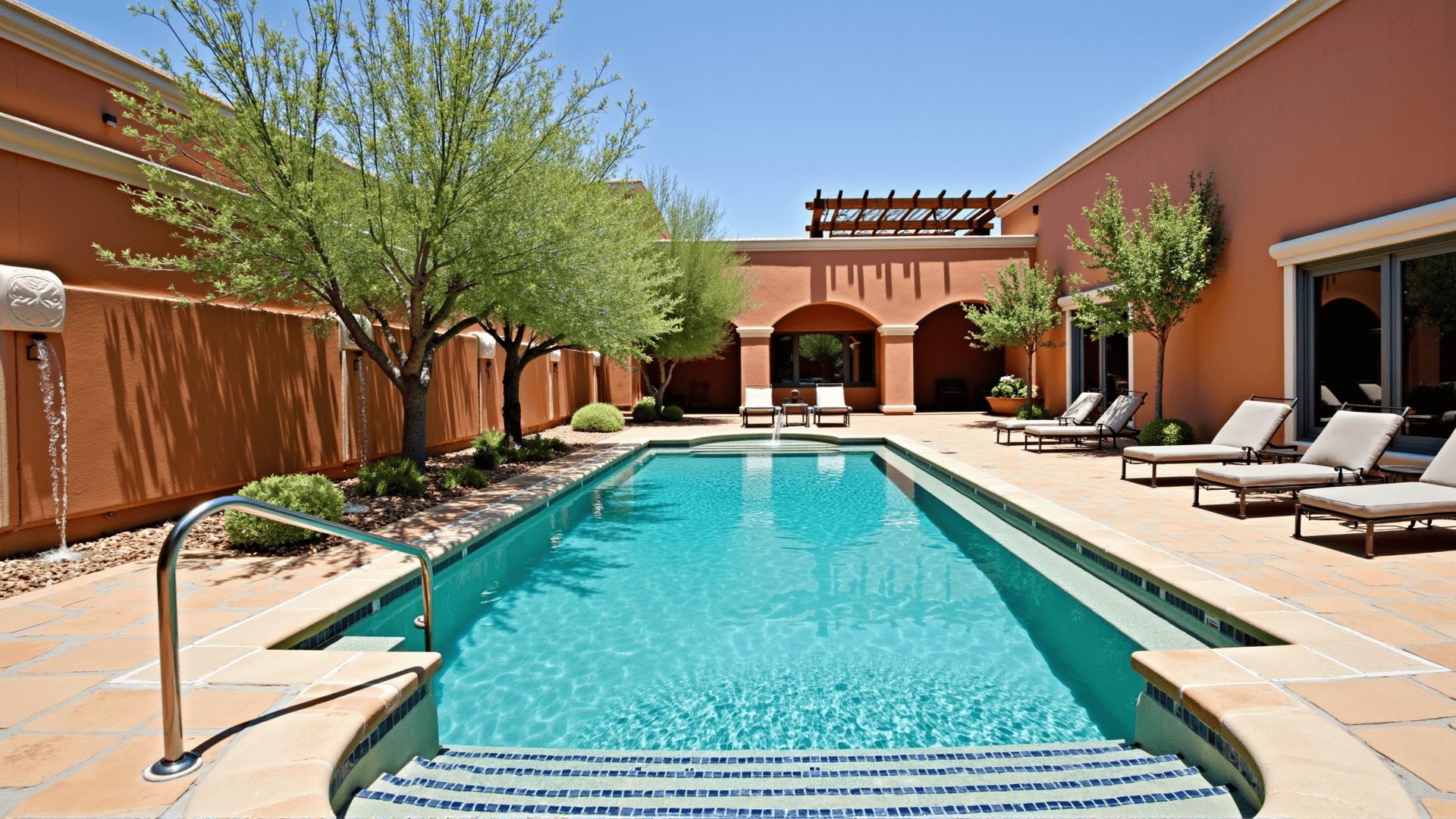
You know what's humbling? After 48 years of building pools, Mother Nature still occasionally reminds me who's really in charge. I've learned that the most beautiful pool design in the world won't matter if it doesn't work with your property's unique characteristics and local climate.
Let me share what decades of experience have taught me about making pools and properties play nice together.
How Property Elevation Affects Infinity Edge Feasibility
Here's a trade secret: not every property can have an infinity edge pool, no matter how much you want one. It's like trying to put a sunroof on a convertible – sometimes the structure just doesn't support it.
The Elevation Equation
Infinity edges need:
- A natural slope or view to "vanish" into
- Space below for the catch basin
- Proper drainage to handle overflow
- Stable soil to support the engineering
I once had clients who desperately wanted an infinity edge on their flat lot. We could have built it, but it would've required constructing an artificial hill and blocking their neighbor's view. Sometimes, the site itself tells you what's possible.
Working with Natural Topography
Properties with elevation changes are actually gifts:
- Natural drainage solutions
- Built-in privacy screens
- Opportunities for dramatic designs
- Cost savings on excavation (sometimes)
The best projects I've done work with the land, not against it. I built a pool on a hillside property where we used the natural slope to create three different pool levels – each with its own purpose and view.
Regional Weather Impacts on Pool Style Selection
Living in Texas, I've seen everything from scorching summers to surprise winter freezes. Your local climate should absolutely influence your pool choice.
Hot Climate Considerations
In our Texas heat, certain features make more sense:
- Shade structures: Essential for resort-style lounging areas
- Deeper pools: Stay cooler in extreme heat
- Light-colored materials: Reflect heat instead of absorbing it
- Enhanced circulation: Prevents hot spots and algae growth
Pro tip: Dark-bottom pools look dramatic but can get uncomfortably warm. I learned this the hard way with my own pool – had to resurface it after one particularly brutal summer.
Dealing with Temperature Extremes
Our occasional freezes require special planning:
- Proper equipment placement (protected from north winds)
- Freeze protection systems
- Appropriate plumbing depths
- Material selection that handles expansion/contraction
Wind and Storm Factors
Wind isn't just about comfort – it affects:
- Water evaporation rates
- Chemical balance
- Debris management
- Feature functionality (waterfalls can become horizontal in strong winds)
I always map prevailing winds before positioning pools. One client ignored my advice and placed their pool in a wind tunnel between houses. They now spend more time skimming leaves than swimming.
Site-Specific Challenges and Opportunities
Every property has its quirks. The key is identifying them early.
Soil Conditions Matter
Different soils present different challenges:
- Clay: Expands and contracts (requires special engineering)
- Sandy: Unstable (needs reinforcement)
- Rocky: Expensive to excavate but stable
- High water table: Limits depth options
I've built pools on all soil types. The cost difference between easy and difficult soil can be $10,000 or more.
Existing Landscape Integration
Work with what you have:
- Mature trees (beautiful but consider root systems)
- Natural rock formations (incorporate, don't fight)
- Existing drainage patterns
- Utility easements (the invisible deal-breakers)
Access Challenges
Here's something most homeowners don't consider: can equipment reach your backyard?
- Narrow side yards limit machinery
- Overhead power lines restrict crane access
- Existing structures may need temporary removal
- Neighbor cooperation might be necessary
I've had to remove fence sections, use smaller equipment, and even bring in materials by hand. Each constraint adds cost and time.
Making Smart Decisions
After analyzing hundreds of sites, here's my decision framework:
For Resort-Style Pools:
Best on properties with:
- Natural elevation changes
- Scenic views
- Larger lots
- Protected areas from wind
- Stable soil conditions
Challenging on properties with:
- Flat terrain
- Limited space
- Extreme wind exposure
- Poor drainage
- Restrictive easements
for Traditional Pools:
Work well on:
- Flat lots
- Smaller spaces
- Exposed areas
- Any soil type (with proper engineering)
- Standard suburban lots
Limitations include:
- Less dramatic on sloped lots
- May require retaining walls
- Standard drainage solutions
Site Assessment Checklist
Before you fall in love with a design, consider:
- Sun Patterns: Where's the afternoon shade?
- Wind Direction: What's your prevailing wind?
- Drainage: Where does water naturally flow?
- Views: What do you want to see (or hide)?
- Privacy: Consider neighbors and future development
- Access: How will equipment reach the site?
- Utilities: Where are buried lines?
- Trees: Current and future growth impact
- Local Codes: Setback requirements
- Future Plans: Home additions or landscaping
The Professional Advantage
Here's why site evaluation matters: I recently consulted on a DIY project gone wrong. The homeowner built a beautiful pool but didn't account for the natural drainage pattern. Every rain turned their pool into a muddy mess. The fix cost more than hiring a professional would have initially.
Good pool builders don't just design pools – we read properties like detectives. We spot the opportunities and challenges that determine whether your dream pool becomes a reality or a regret.
Remember: the most successful pools work in harmony with their environment. Whether you choose resort-style luxury or traditional functionality, understanding your site's unique characteristics is the foundation of a successful project.
As I always tell clients: "Your property will tell you what it wants to be – our job is to listen."
Customization Options: Making It Uniquely Yours
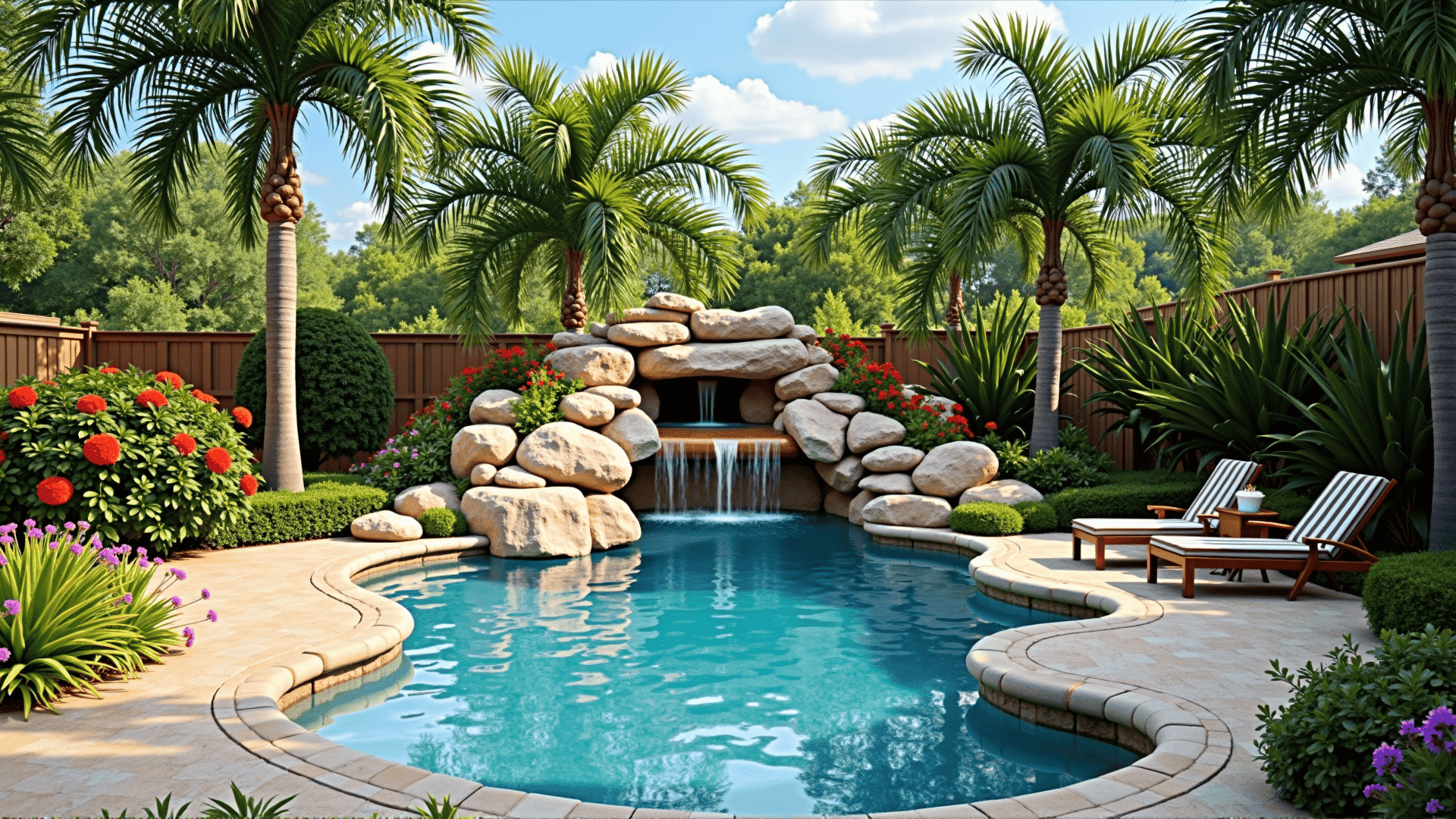
Here's something I love about building custom pools: no two projects are ever the same. After 48 years in this business, I still get excited when clients bring me their "what if" ideas. Some of the best pools I've built started with someone saying, "This might sound crazy, but..."
Let me show you how to make your pool as unique as your fingerprint.
Hybrid Approaches That Blend Both Styles
The beauty of custom pool design is that you don't have to choose between resort luxury and family functionality. Think of it like ordering at your favorite restaurant – sometimes the best dish is the one you create yourself.
The Best of Both Worlds
I recently completed a project that perfectly illustrates this hybrid approach:
- Traditional rectangular shape (great for laps)
- Resort-style beach entry on one end
- Family-friendly depths with an elegant infinity edge
- Simple maintenance needs with luxury aesthetics
The result? A pool that handles the kids' swim team practice by day and transforms into an entertainment showpiece by night.
Smart Hybrid Features
Consider these blend-worthy elements:
- Convertible spaces: Tanning ledges that work for toddlers and cocktail hours
- Dual-purpose water features: Waterfalls that create ambiance and hide pool equipment noise
- Flexible lighting: Bright for family time, dimmed for romantic evenings
- Multi-zone heating: Spa-like warmth in lounging areas, cooler temps for exercise
Popular Add-ons and Upgrades for Each Type
Let's talk about the features that can take your pool from standard to spectacular.
Resort-Style Enhancements
These upgrades scream luxury:
- Fire and water bowls: Drama meets function
- Sunken seating areas: Built-in conversation pits
- Grotto features: Your personal cave retreat
- Automated shade structures: Comfort at the touch of a button
- Outdoor sound systems: Weatherproof and wireless
Traditional Pool Upgrades
Practical additions that enhance functionality:
- Automatic covers: Safety meets energy efficiency
- Basketball hoops: Poolside sports anyone?
- Volleyball net sleeves: Easy setup for family tournaments
- Built-in cleaning systems: Less maintenance, more swimming
- LED color-changing lights: Simple way to add ambiance
Tech-Forward Options
Modern technology has revolutionized pool ownership:
- Smart automation systems: Control everything from your phone
- Self-cleaning technology: In-floor systems that actually work
- Variable-speed pumps: Save energy without sacrificing performance
- UV/Ozone sanitizers: Reduce chemical dependency
- Automated chemical monitors: Real-time water quality alerts
I remember when "high-tech" meant having a timer on your pool light. Now I can adjust a client's pool temperature from my office if they're having issues.
Future-Proofing Your Pool Investment
Here's wisdom from building pools through multiple decades: plan for the life you'll have, not just the life you have now.
Adaptable Design Elements
Think long-term with features like:
- Adjustable current systems: Transform any pool into an exercise pool
- Modular deck systems: Easy to modify as needs change
- Pre-plumbed for future additions: Spa, water features, or heating
- Universal design elements: Aging-in-place considerations
- Expandable automation: Start basic, upgrade later
Investment Protection Strategies
Smart choices that pay dividends:
- Quality equipment with long warranties
- Energy-efficient systems (lower lifetime costs)
- Timeless design elements that won't feel dated
- Materials that age gracefully
- Professional-grade plumbing and electrical
I had clients who spent an extra $5,000 on variable-speed pumps and LED lighting ten years ago. They've saved that amount twice over in energy costs.
Creating Your Signature Style
Your pool should reflect your personality. Here's how to make it distinctly yours:
Artistic Elements
- Custom tile mosaics: Family crests, favorite quotes, or abstract art
- Unique water features: Sculptural elements that double as fountains
- Specialty lighting: Fiber optics for starry night effects
- Colored concrete: Subtle hues that complement your home
- Textured finishes: From smooth pebble to exposed aggregate
Functional Personality
- Swim-up bars: Sized for intimate gatherings or large parties
- Pet features: Steps and platforms for four-legged swimmers
- Therapy jets: Positioned for your specific needs
- Custom depth markers: Decorative tiles instead of standard numbers
- Integrated planters: Bring landscaping into the pool design
The Design Process: From Dream to Reality
After thousands of consultations, here's my proven approach to customization:
- Start with lifestyle: How will you actually use the pool?
- Consider constraints: Budget, space, regulations
- Identify must-haves: Non-negotiable features
- Explore possibilities: What could enhance your vision?
- Think maintenance: Can you care for what you're creating?
- Plan phases: What can be added later?
Making Decisions with Confidence
The key to successful customization is balance:
- Innovation vs. Practicality: Will that cool feature still be cool in 10 years?
- Aesthetics vs. Function: Beautiful but usable
- Current needs vs. Future flexibility: Adapt without major renovation
- Personal taste vs. Resale value: Unique but not too niche
I always remind clients: "The best pool features are the ones you'll use every day, not just show off at parties."
Your Vision, Our Expertise
Here's what I've learned after 48 years: there's no such thing as a "standard" custom pool. Every property, every family, every dream is different. The magic happens when we combine your vision with professional expertise.
Whether you want a resort-style masterpiece that rivals the Four Seasons, a traditional pool that becomes your family's gathering place, or an innovative hybrid that defies categories – the possibilities are literally endless.
The most rewarding part of my job? When clients tell me, "This is exactly what we imagined, but better." That happens when you dare to customize, when you make choices that reflect your unique style and needs.
So dream big, think creatively, and remember: the only limit to your pool's potential is your imagination (and okay, maybe physics and building codes). But that's why you hire professionals – to turn those dreams into swimmable reality.
Making Your Decision: Key Factors to Consider
After 48 years of transforming backyards into personal paradises, here's what truly matters when choosing between resort-style and traditional pools:
Questions to Ask Yourself:
- How will we realistically use this pool daily?
- What's our true maintenance commitment?
- Does our property support our vision?
- What's our long-term budget for upkeep?
- How does this investment align with our lifestyle?
Common Misconceptions to Avoid:
- "Resort-style pools are always better" (Not if you have young kids)
- "Traditional pools are boring" (Not with the right customization)
- "Maintenance is the same for both" (Resort features require more care)
- "Any property can have an infinity edge" (Elevation and engineering matter)
Why Professional Expertise Matters:
With nearly five decades of experience, we've seen every possible scenario. We don't just build pools – we create lifestyle solutions that enhance your property value and family enjoyment for generations.
Whether you envision a resort-style oasis or a functional family pool, our expertise ensures your investment delivers exactly what you need. We understand the intricate balance between dreams and practicality, aesthetics and functionality.
Ready to transform your backyard? Let's discuss your vision and create the perfect pool for your lifestyle. Call us at (310) 261-2440 or visit our contact page to start your journey toward backyard paradise.
After 48 years, we know how to make your pool dreams reality.