Heated vs. Non-Heated Pools: Everything You Need to Know Before Building Your Dream Pool
Choosing between heated and non-heated pools is one of the most critical decisions in custom pool construction, impacting your comfort, costs, and long-term satisfaction for decades to come. Heated pools offer extended swimming seasons (6-8 months vs. 2-3 months), therapeutic warm water benefits, and year-round usability, but require initial investments of $1,500-5,500 plus monthly operating costs of $50-400. Non-heated pools provide significant cost savings, simpler maintenance, and environmental advantages, but limit usage to peak summer months and depend entirely on natural temperature conditions. The decision depends on your climate, lifestyle patterns, budget priorities, and family needs—with heating systems like heat pumps, gas heaters, and solar options each offering distinct advantages for different situations.
Understanding water temperature physics (where 85°F air doesn't equal comfortable 85°F water), regional climate factors, maintenance requirements, and true long-term value helps ensure your pool investment enhances your actual lifestyle rather than your imagined one. Whether you choose heated convenience or non-heated simplicity, the right decision aligns your pool's capabilities with how you'll realistically use this major backyard investment.
Understanding the Temperature Reality: Why Air Temperature Doesn’t Equal Water Comfort
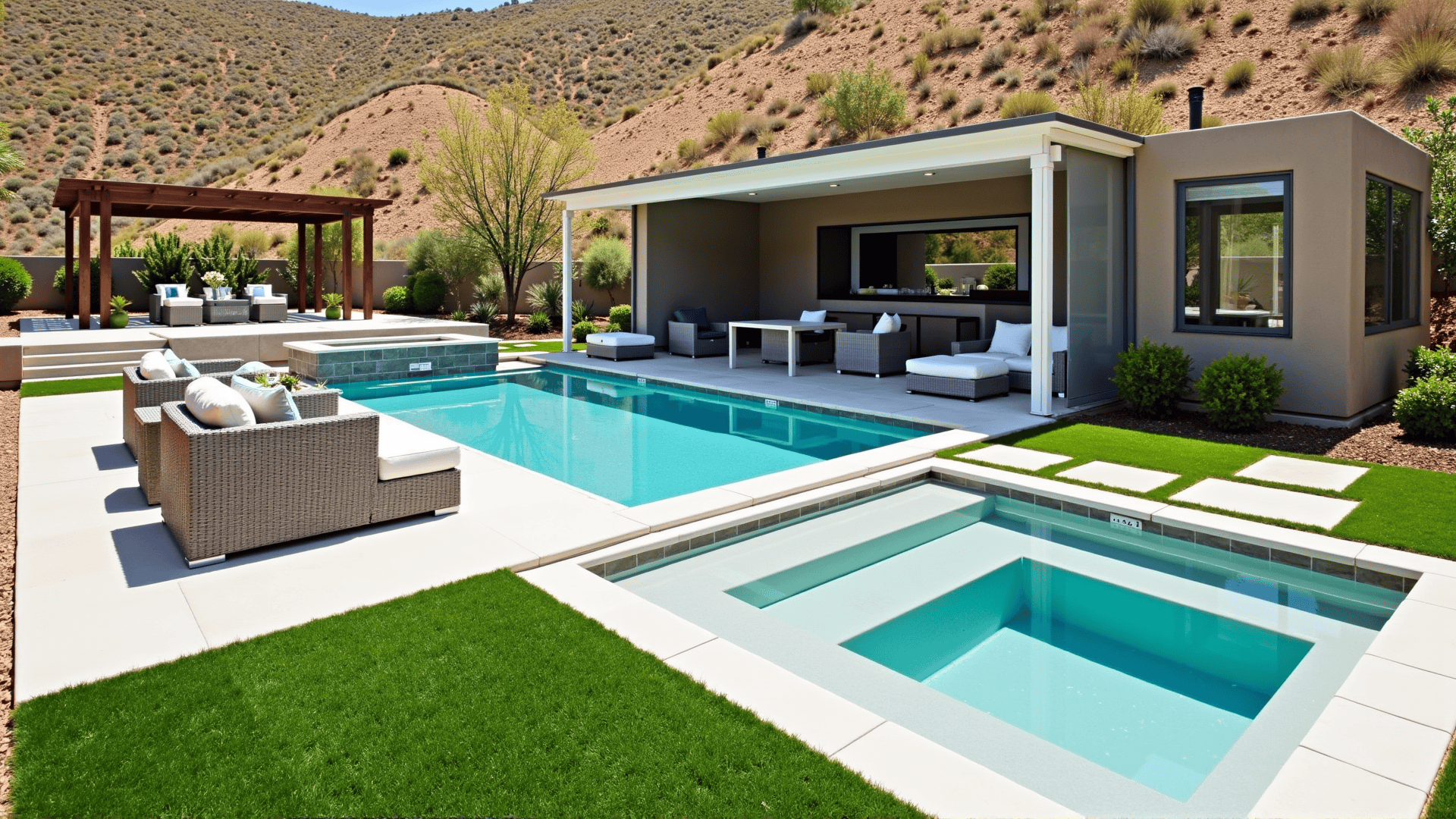
After nearly five decades in the pool construction business, I've lost count of how many times I've gotten that confused phone call in early May: "We just had our first 85- degree day, but the pool feels like an ice bath! Is something wrong with our system?"
Nothing's wrong—you've just discovered one of nature's most counterintuitive lessons about water physics.
The Science Behind the Surprise
Here's what's happening: your body loses heat 25 times faster in water than in air. Think of it like this—if air is a light cotton shirt, then water is a heavy wool coat that either keeps you warm or pulls every bit of heat right out of you. Water is also 800 times denser than air, which means it's incredibly efficient at conducting heat away from your body.
So when you step into 80-degree pool water on that perfect 85-degree afternoon, your body immediately starts working overtime to maintain its core temperature. What feels refreshing in the air suddenly feels surprisingly cool in the water.
The Perfect Day Paradox
I've seen this scenario play out hundreds of times: families plan their first pool party of the season on a gorgeous spring day. The air temperature hits that sweet spot of 80-85 degrees, everyone's excited, and then... nobody wants to get in the water for more than a few minutes.
Here's the reality check most homeowners don't expect: when the outside temperature feels perfect for lounging, the pool water is often too cold for comfortable swimming. Conversely, when your pool finally reaches that ideal 85-degree water temperature, you're looking at air temperatures pushing 100+ degrees—not exactly prime time for hosting outdoor gatherings.
The Temperature Gap That Matters
Even a seemingly small temperature difference creates a dramatic comfort gap. Pool water at 75 degrees will feel downright cold to most swimmers, while 85 degrees is generally considered the minimum for pleasant recreational swimming. That 10-degree difference? It's the difference between a quick dip and actually enjoying your pool.
The Overnight Cool-Down Effect
Water also holds onto temperature differently than air. While your patio furniture might warm up quickly in the morning sun, your pool is like a massive thermal battery—slow to heat up and slow to cool down. Arizona homeowners are often surprised to find their pool chilly on a perfect morning, even after yesterday's 95-degree afternoon
Why This Matters for Your Pool Planning
Understanding this temperature reality is crucial when planning your custom pool. It's not just about the size, shape, or stunning tile selection—it's about creating a backyard oasis you'll actually want to use. This knowledge helps explain why even homeowners in consistently warm climates often discover that heating isn't just a luxury it's the difference between a pool that looks beautiful and one that becomes the heart of family life.
The good news? Once you understand how water temperature actually works, you can make informed decisions about heating systems that truly match your lifestyle and swimming expectations
The Case for Heated Pools: Extending Your Swimming Season
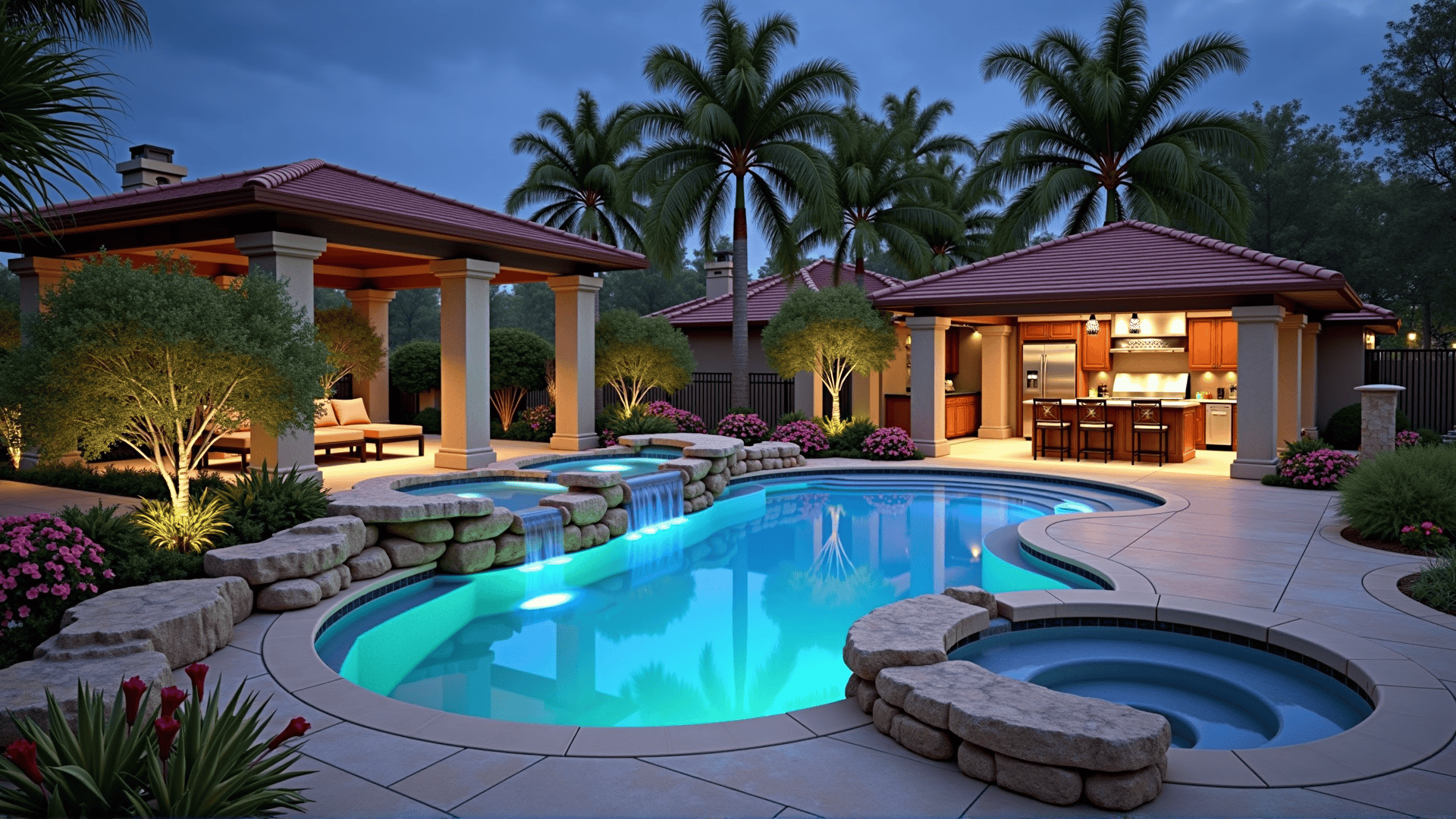
Meet the Los Angeles Pool Contractor of 2025: I remember working with a family who thought they'd made a mistake investing in pool heating. "We live in a warm climate," they reasoned, "why would we need to heat our pool?" Fast-forward six months, and they were telling me it was the best decision they'd made—their pool had transformed from a summer-only feature into a year-round family gathering spot
From Two Months to Eight: The Season Extension Reality
Without heating, most pools offer a comfortable swimming window of just 2-3 months per year. With proper heating, that same pool becomes usable for 6-8 months or even year-round, depending on your location and heating system choice. Think of it this way: you're essentially doubling or tripling your return on investment.

In Detroit, where the natural swimming season might last from July to August, heating can extend that from May through October. Even in warmer climates like Southern California, heating transforms a pool from a summer amenity into a true lifestyle enhancement that works from March through November.
The Early Bird and Night Owl Advantage
Here's something many homeowners don't consider during the planning phase: when you actually want to use your pool. If you're like most busy professionals, your prime swimming time isn't the peak heat of a summer afternoon—it's those precious early morning laps before work or the relaxing evening dip after a long day.
Without heating, morning swimming is often a teeth-chattering experience until well into summer. Evening swims? Forget about it once the sun goes down and temperatures drop. A heated pool gives you the flexibility to swim on your schedule, not Mother Nature's.
The Unexpected Weather Insurance
I've built pools for families who thought they'd never need heating, only to call me after the first cool snap in September asking about retrofit options. Weather is unpredictable—that perfect 85-degree day can turn into a 70-degree evening with a passing cloud front.
A heated pool acts like insurance against unexpected weather. Those shoulder season weekends when it's perfect for grilling but too cool for swimming? With heating, you're still making memories in the pool instead of looking at it longingly through the patio door
Beyond Summer: The Four-Season Mindset
The most successful pool owners I've worked with think beyond traditional "pool season." They host New Year's Eve pool parties, celebrate spring birthdays with pool gatherings, and turn crisp fall evenings into relaxing hot tub experiences (if your design includes a spa feature).
It's about shifting from thinking of your pool as a summer amenity to viewing it as a year-round lifestyle investment. When you can use your pool eight months instead of three, the cost-per-use calculation changes dramatically.
The Family Dynamic Game-Changer
Nothing beats watching a family discover they can host their child's October birthday party poolside, or seeing parents realize they can maintain their fitness routine through the cooler months. Heated pools don't just extend the season—they extend the possibilities for how your backyard functions as the heart of your home.
The bottom line? A pool without heating potential is like buying a convertible but never putting the top down
Health and Therapeutic Benefits: Warm Water vs. Cold Water Swimming
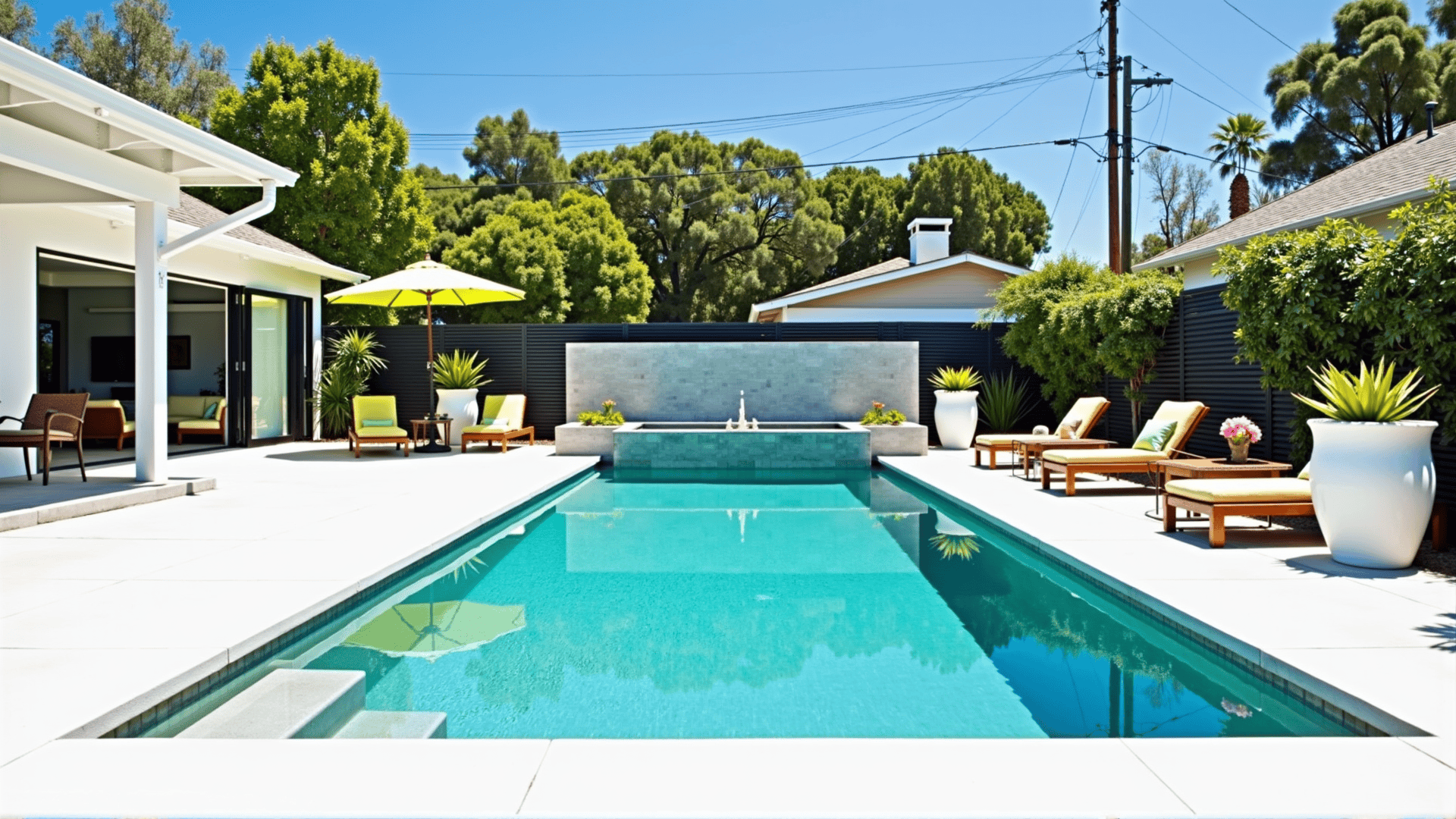
After decades of building pools for families with diverse health needs, I've learned that water temperature isn't just about comfort—it's about unlocking specific health benefits that can transform your daily wellness routine.
The Warm Water Prescription
When I design pools for families dealing with arthritis, chronic pain, or recovery needs, I always emphasize the therapeutic power of warm water. Heated pools (82-88°F) are like having a physical therapist on call 24/7.
Warm water works by dilating blood vessels, which increases circulation and delivers oxygen-rich blood to sore muscles and stiff joints. I've watched clients who struggled with morning stiffness discover they could start their day with gentle pool exercises that would be impossible on land. The buoyancy reduces joint pressure by up to 90%, while the warmth provides natural pain relief.
For busy professionals dealing with stress and tension, warm water activates the parasympathetic nervous system—your body's "rest and digest" mode. It's like having a reset button for your nervous system, which explains why so many of my clients tell me their evening pool routine has replaced their need for sleep aids.
The Cold Water Wake-Up Call

Now, before you think I'm only advocating for heated pools, let me share what I've observed about cooler water benefits. Pools in the 70-78°F range offer their own unique health advantages that appeal to different wellness goals.
Cold water swimming triggers a cascade of beneficial responses: your immune system gets a workout as white blood cell production increases, your body burns more calories working to maintain core temperature, and you get a natural endorphin rush that rival's your morning coffee. Think of it as nature's energy drink.
I've built pools for endurance athletes who specifically want cooler water for training benefits. The cardiovascular challenge of maintaining body temperature in cooler water enhances their conditioning in ways that warm water simply can't match.
The Age and Health Factor Matrix
Here's where my experience really comes into play: different life stages and health conditions require different temperature strategies:
- Young children and seniors: Need warmer water (85°F+) due to their bodies' reduced ability to regulate temperature
- Active adults and athletes: Often prefer cooler water (78-82°F) for vigorous exercise and recovery
- Therapeutic needs: Warm water (85-90°F) for conditions like fibromyalgia, arthritis, or injury rehabilitation
The Flexibility Advantage
The smartest pool designs I create offer temperature flexibility. Whether through variable heating systems or spa features that can run hotter than the main pool, giving families options means everyone's health goals can be supported.
One family I worked with uses their pool at 84°F for grandparents' water aerobics sessions, then lets it cool to 78°F for their teenage swimmer's training. It's like having multiple pools in one.
Beyond Physical: The Mental Health Connection
Don't underestimate the psychological benefits. Warm water promotes relaxation and stress reduction, while cooler water provides mental clarity and mood enhancement. Both temperatures offer escape from daily pressures, but in distinctly different ways.
The key is understanding that your pool's temperature isn't just a comfort setting—it's a wellness tool that can be calibrated to support your family's specific health and lifestyle goals
Pool Heating System Options: Finding Your Perfect Match

Choosing a pool heating system is like picking the right car—there's no universal "best" option, only the right fit for your specific needs, budget, and lifestyle. After installing hundreds of heating systems, I've learned that the perfect match depends on three key factors: how you use your pool, where you live, and what you value most.
Gas Heaters: The Sports Car of Pool Heating
Gas heaters are the instant gratification choice. Fire them up on a cool morning, and you'll have swimmable water by afternoon. They work regardless of weather conditions, making them the go-to choice for families who want heating on-demand.
I often recommend gas heaters for clients who use their pools sporadically or for special occasions. Think of the family that hosts monthly pool parties but doesn't swim daily—gas heating lets them heat the pool for the weekend, then shut it off without worrying about maintaining temperature all week.
The trade-off? Operating costs can be substantial. Running a gas heater is like driving that sports car—thrilling performance, but you'll feel it at the gas pump. Monthly costs typically range from $200-400 during heavy use periods.
Heat Pumps: The Efficient Sedan
Heat pumps are the marathon runners of pool heating—steady, efficient, and built for the long haul. They work by extracting heat from the air (yes, even 50-degree air contains usable heat) and transferring it to your pool water.

These systems shine for families who want consistent, year-round pool temperatures. Set it to 84°F in March, and it'll maintain that temperature through October with minimal fuss. Operating costs are typically 50-75% lower than gas heaters, making them the choice for daily swimmers and extended-season use.
The limitation? They slow down significantly when air temperatures drop below 50°F. In colder climates, they're like that efficient sedan trying to climb a mountain—they'll get there, but it takes time.
Solar Systems: The Environmental Champion
Solar heating harnesses free energy from the sun—hard to argue with that economics. Once installed, your only operating cost is running the pool pump to circulate water through the solar collectors.
I've installed solar systems for environmentally conscious families who view their pool as part of a broader sustainability strategy. The systems work beautifully in sunny climates and can effectively heat pools from spring through fall.
The reality check? Solar heating requires patience and the right conditions. Cloudy weeks mean cooler water, and you'll need adequate roof space or yard area for the collectors. It's like having a solar-powered car—fantastic when the sun shines, but you need backup plans for cloudy days.
Hybrid Solutions: The Best of Both Worlds
For families who want reliability and efficiency, hybrid systems combine heat pumps with gas backup. The heat pump handles day-to-day heating efficiently, while the gas heater kicks in for quick temperature boosts or when outside temperatures drop.
This approach appeals to tech-savvy homeowners who appreciate automated systems that optimize performance based on conditions. It's like having a hybrid car that switches seamlessly between electric and gas power.
The Decision Framework
Your perfect heating system depends on:
- Usage pattern: Daily swimmers vs. weekend warriors
- Climate: Consistent temperatures vs. variable weather
- Budget: Upfront investment vs. operating costs
- Values: Convenience vs. environmental impact
The key is honest self-assessment about how you'll actually use your pool, not how you imagine you might use it.
The True Cost Analysis: Initial Investment vs. Long-Term Value

I've sat across the kitchen table from hundreds of families wrestling with the heating decision, and I always start with the same question: "What's the cost of a pool you don't use?" Because here's what I've learned after decades in this business—the cheapest pool is often the most expensive mistake.
Breaking Down the Real Numbers
Let's talk actual dollars. Heating system costs range from $1,500 to $5,500 for the equipment, plus installation fees of $500-2,500. Yes, that's a significant upfront investment. But here's the perspective most families miss: you're already investing $50,000-150,000+ in a custom pool. The heating system represents roughly 3-8% of your total project cost while potentially doubling your usage.
Think of it like buying a luxury car but skipping the air conditioning to save money. Technically functional? Sure. But you'll regret it every hot day.
The Monthly Reality Check
Operating costs vary dramatically by system type:
- Heat pumps: $50-150/month during active season
- Gas heaters: $200-400/month during heavy use
- Solar systems: $10-30/month (mostly pump electricity)
I always counsel families to budget for heating costs the same way they budget for their mortgage—it's a predictable monthly expense that enables you to actually enjoy your investment.
The Hidden Value Multipliers
Here's where the math gets interesting. Heated pools typically increase property value by 8-15% more than non-heated pools. On a $800,000 home, that's potentially $64,000-120,000 in added value. Suddenly, that $4,000 heating system investment looks pretty smart.
But the real value isn't just financial—it's lifestyle. I've watched families go from using their pool 30 days a year to 150+ days with heating. The cost-per-use calculation completely transforms.
The Depreciation Insurance
Pool equipment depreciates, but heated pools age more gracefully. Continuous water circulation prevents freeze damage and reduces structural stress. I've seen unheated pools in colder climates suffer thousands in repair costs from freeze-thaw cycles that heated pools simply avoid.
The Opportunity Cost Factor
Here's the conversation I have with every budget-conscious family: What's the opportunity cost of a pool that sits unused for 8-9 months? You're paying for maintenance, insurance, and property taxes on an amenity you can't enjoy.
One family calculated they were spending $3,000 annually maintaining a pool they used 40 days per year—$75 per swim day. Adding heating for $1,200 annually extended their season to 120 days, dropping their cost-per-use to $35.
The Smart Money Approach
The financially savvy families I work with view heating through a total cost of ownership lens:
- Initial pool investment: $80,000
- Heating system: $4,000
- 10-year heating costs: $15,000
- Total investment: $99,000 over 10 years
Without heating, that same pool delivers 3 months of use annually. With heating, you get 6-8 months. You're essentially paying 4% more for 200-300% more usability.
The Bottom Line Truth
The question isn't whether you can afford to heat your pool—it's whether you can afford not to. The most expensive pool is one that becomes an underused backyard ornament because it's only comfortable a few months per year.
Smart money invests in maximum enjoyment from day one, not retrofits years later when you realize what you're missing.
Non-Heated Pool Advantages: Embracing Natural Swimming
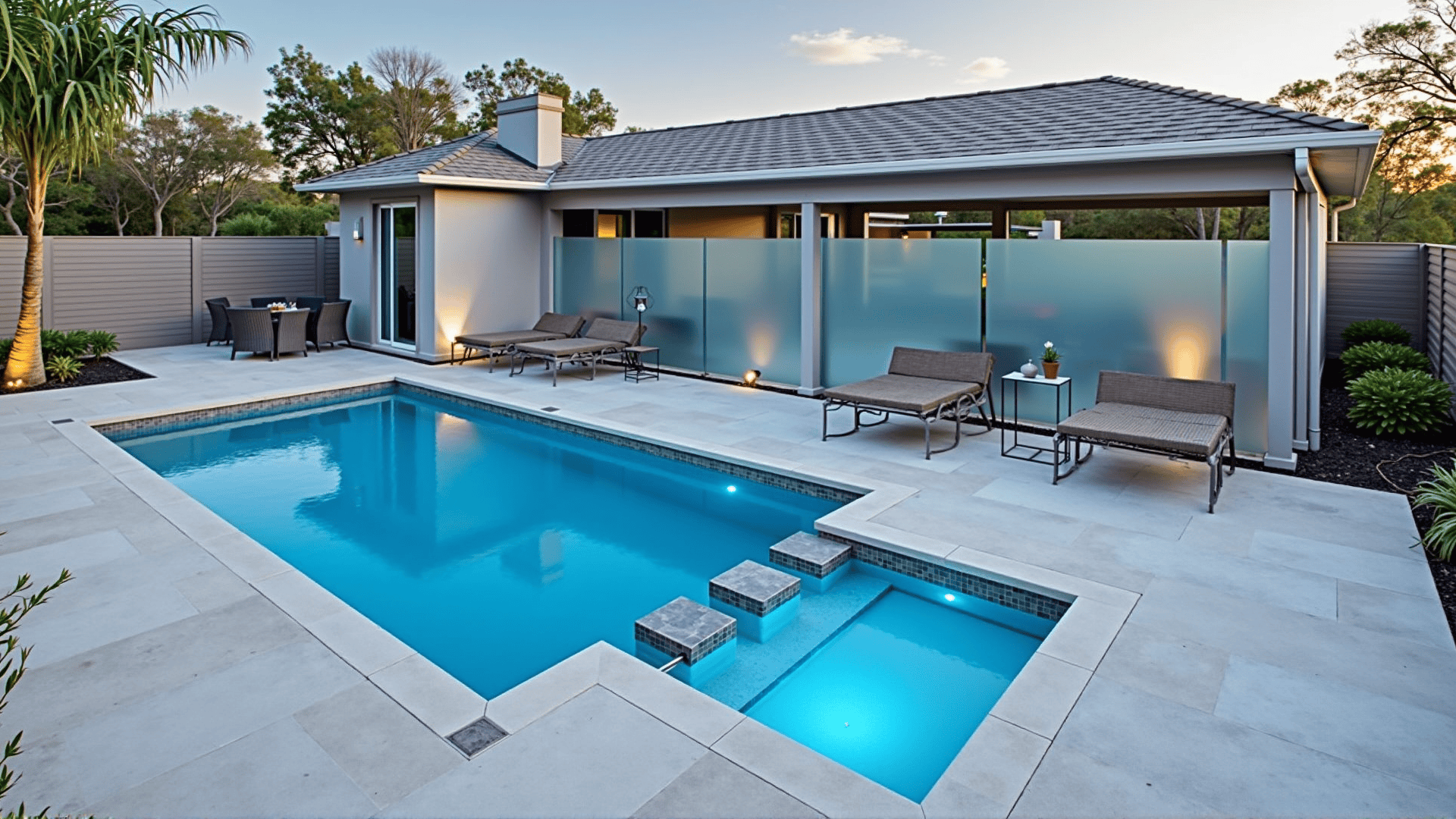
Let me be honest—I make more money when families choose heating systems. But some of my most satisfied clients over the years have been those who consciously chose the non-heated route and fully embraced what that decision means. There's real wisdom in simplicity, and non-heated pools offer benefits that go beyond just saving money.
The Financial Freedom Factor
The numbers don't lie: non-heated pools eliminate $1,500-5,500 in upfront equipment costs and completely avoid monthly operating expenses that can range from $50-400. For families prioritizing other home improvements or investments, that's real money that can go toward upgraded finishes, better landscaping, or simply staying within budget.

I've worked with financially savvy families who view their pool as a seasonal amenity—like a boat or RV—and budget accordingly. They get maximum enjoyment during peak season and aren't paying to maintain something they can't comfortably use year-round anyway.
The Mechanical Simplicity Advantage
Ranked: Most Innovative Pool Builders Los Angeles Has to Offer every piece of equipment you don't install is one less thing that can break. Non-heated pools have fewer moving parts, fewer maintenance requirements, and fewer service calls. It's like choosing a manual transmission over an automatic—simpler, more reliable, fewer things to go wrong.
Over decades of service calls, I can tell you that heating systems require attention. Filters need cleaning, gas lines need inspection, heat pumps need refrigerant checks. Non-heated pools eliminate all of that complexity.
The Environmental Stewardship Choice
For environmentally conscious families, non-heated pools represent the smallest possible carbon footprint. No gas consumption, no electricity for heating, no additional mechanical systems consuming resources. You're working entirely within nature's energy budget.
I've built pools for families who view this choice as part of a broader sustainability philosophy. They use solar covers to retain natural heat, strategic landscaping for wind protection, and timing their swims to align with natural temperature cycles.
The Natural Rhythm Benefits
There's something to be said for living in harmony with seasonal rhythms. Non-heated pool families often develop a deeper appreciation for perfect swimming weather and tend to use their pools more intensively during prime season.
Think of it like camping versus staying in hotels—both have their place, but there's a special satisfaction in working within natural constraints. These families often become expert at maximizing their pool's natural heating through covers, timing, and smart design choices.
The Health Angle You Didn’t Expect
When I design non-heated pools, we focus on maximizing natural heat retention: strategic positioning for sun exposure, darker finishes that absorb heat, and sometimes thermal mass features that store and release solar energy.
The Reality Check
Non-heated pools work best for families who:
- Live in consistently warm climates
- Primarily swim during peak summer months
- Value simplicity and low maintenance
- Want to minimize environmental impact
- Prefer investing pool budget in other features
The key is making this choice intentionally, with full understanding of the seasonal limitations, rather than as a cost-cutting measure you'll regret when October arrives and the water's too cold for that birthday party.
Climate Considerations: Making the Right Choice for Your Location

After building pools from Minnesota to Miami, I've learned that geography is destiny when it comes to pool heating decisions. What works perfectly in Phoenix can be a costly mistake in Portland, and vice versa. Your local climate doesn't just influence whether you need heating—it determines which heating system will actually deliver on its promises.
The Hot Climate Surprise
You'd think Arizona and Florida homeowners never need pool heating, right? Wrong. This is one of the biggest misconceptions I encounter. Even in consistently hot climates, heating often makes the difference between a pool you love and one you tolerate.
Here's why: desert nights can drop temperatures 30-40 degrees from daytime highs. Your pool might hit 85°F on a 110°F afternoon, but by 6 AM it's dropped to 78°F—too cold for comfortable morning swims. Spring and fall bring perfect patio weather with surprisingly chilly water.

In hot climates, I often recommend heat pumps or solar systems. Heat pumps work efficiently when ambient temperatures stay above 50°F, which describes most of Arizona and Florida's swimming season. Solar systems absolutely shine with 300+ sunny days annually.
The Temperate Zone Sweet Spot
Regions like the Carolinas, Tennessee, and Northern California present the strongest case for heating systems. Without heating, you get maybe 3-4 months of comfortable swimming. With it, that extends to 6-8 months.
Heat pumps excel in these climates during shoulder seasons when air temperatures hover in the 60-80°F range. For the occasional cold snap, many families add a gas backup system. It's like having both a fuel-efficient daily driver and a powerful truck for when you need extra capability.
The Cold Climate Reality
Northern states face a stark choice: heat your pool or accept a 6-8 week swimming season. I've built pools in Michigan where families invest heavily in heating because it's the only way to justify the pool at all.
Gas heaters become essential in these climates because heat pumps lose efficiency below 50°F. It's like trying to use a fan when you need a furnace. Solar systems can supplement but rarely provide adequate heating for consistent use.
The Microclimate Factor
Here's something most homeowners don't consider: your specific lot creates its own microclimate. I've built two pools on the same street with completely different heating needs. The house with southern exposure and wind protection might need minimal heating, while the shaded, windy lot next door requires significant heating investment. Factors I always evaluate:
- Sun exposure: South-facing pools gain 10-15 degrees more natural heat
- Wind patterns: Constant breezes can drop water temperature 5-10 degrees
- Elevation: Higher altitude means cooler nights and shorter seasons
- Surrounding structures: Buildings and landscaping affect heat retention
The Efficiency Map
Different heating systems perform dramatically differently based on climate:
- Hot, sunny climates: Solar systems can provide 80% of heating needs
- Moderate climates: Heat pumps deliver optimal efficiency and cost savings
- Cold climates: Gas heaters offer reliable performance regardless of weather
- Variable climates: Hybrid systems adapt to changing conditions
The Climate Change Consideration
Smart homeowners are thinking ahead. Weather patterns are becoming less predictable, with cooler springs and extended falls becoming more common even in traditionally hot climates. Future-proofing your pool with heating capability protects your investment against changing weather patterns.
The Bottom Line by Latitude
The math is simple: the farther north you build, the more essential heating becomes. In Miami, heating extends your season. In Minneapolis, heating enables your season. Understanding this fundamental difference helps you make the right investment for your specific location and maximize your pool's potential in your unique climate zone.
Maintenance Requirements: What to Expect Long-Term
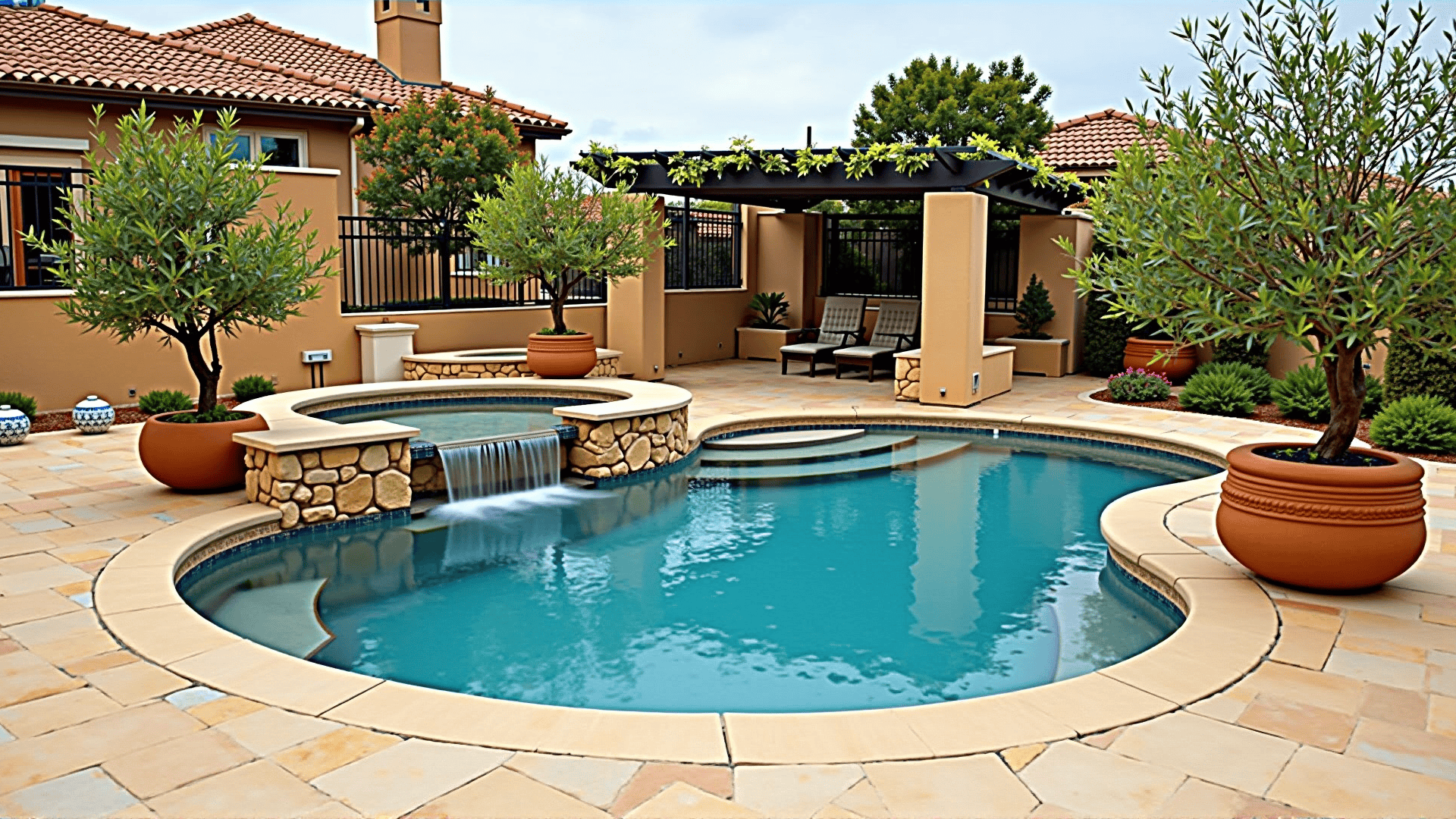
Let me start with the truth nobody wants to hear during the excitement of pool planning: every pool requires maintenance, but heated pools require more. After decades of service calls, I can tell you exactly what that means for your weekends, your wallet, and your peace of mind.
The Heated Pool Maintenance Reality
Think of a heated pool like owning a luxury car versus a basic sedan. Both need oil changes, but the luxury model has more sophisticated systems requiring specialized attention. Heated pools add 3-4 maintenance tasks to your routine that non-heated pools simply don't have.
Your heating system needs annual professional servicing—typically $200-400 for a thorough inspection, cleaning, and tune-up. Gas heaters require burner cleaning and gas line checks. Heat pumps need refrigerant level monitoring and coil cleaning. Solar systems demand collector inspection and potential panel cleaning.
I always tell families to budget for one surprise repair every 2-3 years. Heat exchangers can scale up, gas valves can fail, and control boards can malfunction. It's not pessimism—it's 40+ years of experience managing expectations.
The Water Chemistry Challenge
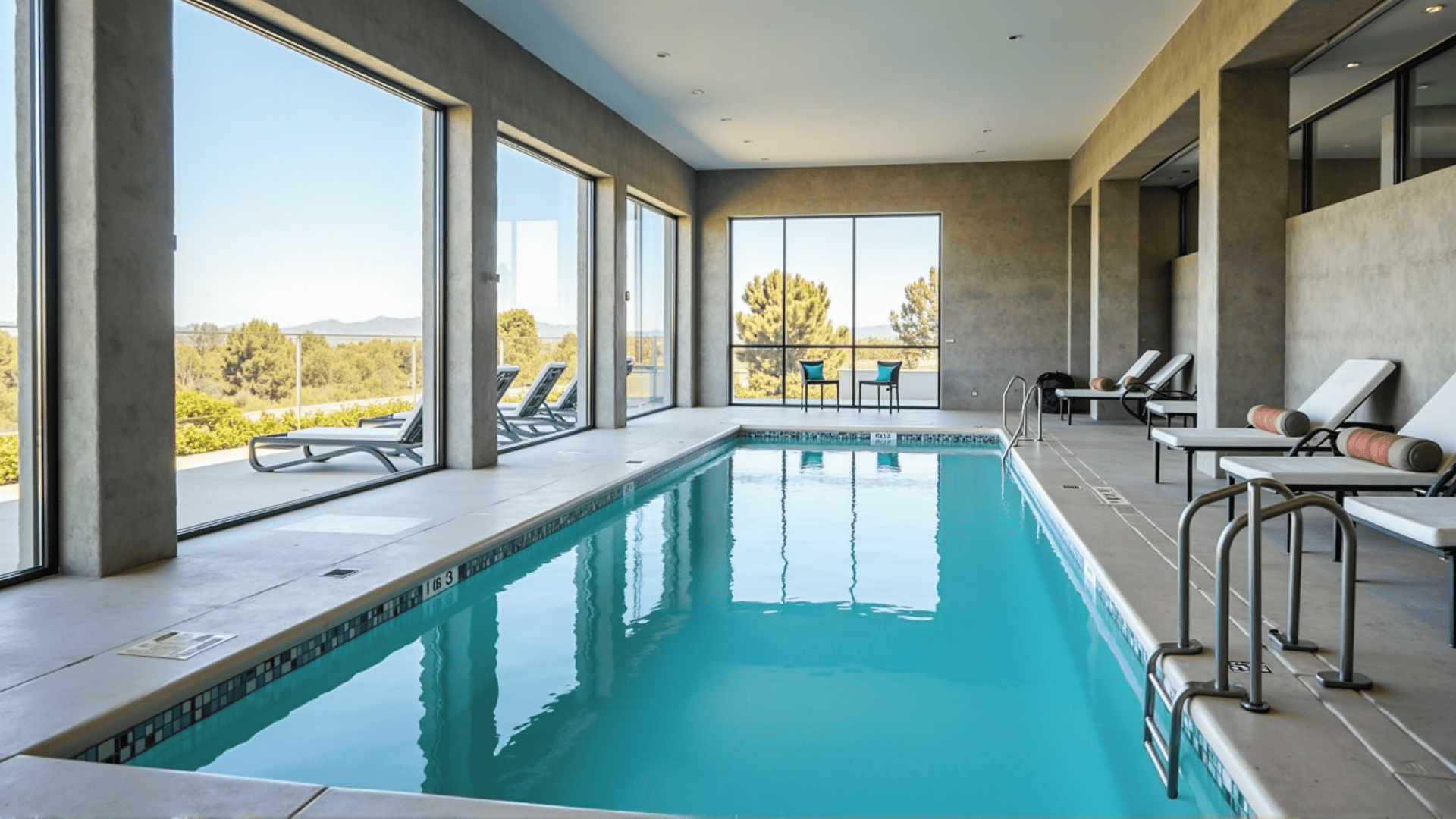
Here's where heated pools get tricky: warm water accelerates chemical reactions and bacterial growth. That pool chemistry balance you mastered? It becomes more critical and less forgiving with heating.
Chlorine dissipates faster in warm water, pH levels can drift more rapidly, and algae growth accelerates if you slip up on maintenance. I've seen families struggle with green pools for the first time after adding heating, simply because their old chemical routine wasn't sufficient for warmer water conditions.
The solution isn't complicated—just more vigilant testing and potentially automated chemical systems—but it's a reality that catches some families off guard
Non-Heated Pool: The Maintenance Advantage
Non-heated pools are maintenance minimalists. No heating equipment to service, no additional mechanical systems to monitor, and more stable water chemistry due to cooler temperatures that slow bacterial growth and chemical dissipation.
The trade-off? Seasonal maintenance becomes more intensive. In colder climates, winterization requires draining systems, adding antifreeze, and covering properly to prevent freeze damage. Spring startup involves more extensive cleaning and chemical balancing after months of dormancy.
The Professional vs. DIY Decision
I've watched tech-savvy homeowners successfully maintain heated pools themselves, and I've seen others struggle with the complexity. Your comfort level with mechanical systems determines your maintenance approach.
DIY-friendly families can handle routine tasks like filter cleaning, basic chemical testing, and seasonal equipment startup. But annual professional inspections remain essential—heating systems have safety components (especially gas units) that require trained eyes.
The Long-Term Cost Perspective
Professional maintenance plans typically run$200-600 annually for heated pools, versus $150-400 for non-heated pools. Factor in occasional repairs, and heated pool maintenance averages $300-800 per year beyond basic pool care.
But here's the perspective that matters: families using their heated pools 6-8 months annually versus 2-3 months for non-heated pools often find the maintenance cost-per-use actually decreases with heating.
The Smart Homeowner Strategy
The most successful pool owners I've worked with treat maintenance like home insurance—a predictable annual expense that protects a major investment. They budget for:
- Monthly chemical costs: $30-60
- Professional service: $200-400 annually
- Repair reserve fund: $200-500 annually
The Bottom Line
Heated pools require more attention, but they're not maintenance nightmares. With proper planning and realistic expectations, the additional maintenance becomes a small price for dramatically increased pool usability. The key is understanding these requirements upfront, not discovering them later when your first heating season arrives.
Decision Factors: Matching Your Pool to Your Lifestyle

The hardest part of my job isn't engineering pool systems or managing construction crews—it's helping families honestly assess how they'll actually use their pool versus how they imagine they'll use it. After building hundreds of custom pools, I've learned that the right heating decision depends less on your budget and more on your truthful self-awareness.
The Usage Pattern Reality Check
I start every heating consultation with the same question: "When do you actually swim?" Not when you think you should swim, or when you swam at that resort in Cabo, but when you realistically fit swimming into your current lifestyle.

The 6 AM Lap Swimmer: If you're planning pre-work fitness routines, heating becomes essential. Non-heated pools feel brutal at dawn, even in summer. These disciplined early birds get tremendous value from heating systems.
The Weekend Warriors: Families who primarily swim during weekend gatherings can often succeed with gas heaters—fire it up Friday, enjoy the weekend, shut it down Sunday. No need to maintain temperature all week.
The Spontaneous Splashers: If you want the flexibility to decide "let's swim tonight" after work on a Tuesday, heated pools transform that possibility into reality. Non-heated pools require planning around weather patterns.
The Family Life Stage Factor
Young children change everything. Toddlers and pre-teens need warmer water (85°F+) and want to swim when they want to swim—not when the weather cooperates. Families with young kids almost universally benefit from heating.
Empty nesters often have different priorities. They might prefer investing in premium finishes over heating systems, especially if they're becoming seasonal pool users anyway.
Aging parents or grandparents in the picture? Therapeutic warm water becomes a health investment, not just a comfort upgrade.
The Entertaining vs. Exercise Equation
I've noticed a clear pattern: families who view their pool as an entertainment centerpiece need different heating strategies than fitness-focused swimmers.
Entertainment-focused families want reliable comfort for parties and gatherings—heating ensures events aren't weather-dependent. Exercise-focused families often prefer cooler water for training but still need heating to extend their season
The Hidden Lifestyle Questions
Here are the questions that reveal your true heating needs:
"Do you travel frequently during traditional pool season?" If you're gone every other weekend in July and August, extending shoulder seasons with heating might matter more than peak summer comfort.
"Are you planners or spontaneous?" Planners can work with non-heated pools by watching weather forecasts. Spontaneous families get frustrated when perfect-looking days deliver cold pool water.
"What's your stress management style?" If your pool is primarily about relaxation and stress relief, warm water supports that goal better than invigorating cold water.
The Investment Priority Framework

Smart families think about heating within their total pool investment:
- Maximalists: Want every possible feature and extended usability
- Practical optimizers: Focus on features that deliver measurable value
- Budget disciplinarians: Prioritize core functionality over premium upgrades
None of these approaches is wrong, but each suggests different heating strategies.
The Honest Assessment Exercise
Before deciding on heating, spend a week tracking when you currently exercise, entertain, or seek relaxation. Your existing patterns predict your pool usage patterns better than your aspirations do.
The families who get heating decisions right are those who match their pool's capabilities to their actual lifestyle rhythms, not their idealized version of how they think they should live. Your pool should enhance the life you actually live, not the life you imagine living someday.
Making Your Custom Pool Investment Decision
After 48 years of building custom pools, I've learned that the best pool decisions come from honest self-assessment, not industry hype or neighbor comparisons. Whether you choose heated or non-heated, the right decision is the one that matches your actual lifestyle, climate, and long-term goals.
Heated pools deliver extended seasons, therapeutic benefits, and maximum flexibility—but require higher investment and ongoing maintenance. Non-heated pools offer simplicity, lower costs, and environmental advantages—but limit your usage window and spontaneous enjoyment.
The math is straightforward: if heating extends your pool usage from 90 days to 200+ days annually, the cost-per-use often justifies the investment. If you're committed to seasonal swimming and value simplicity, non-heated pools can deliver exactly what you need
Ready to Build Your Perfect Pool?
With nearly five decades of experience, we've guided hundreds of families through these exact decisions. We understand the local climate challenges, know which systems deliver on their promises, and can design heating solutions that match your specific needs and budget.
Don't navigate this major investment alone. Our expertise ensures you get a pool that enhances your lifestyle for decades to come.
Call us today at (310) 261-2440 or visit our contact page to schedule your consultation. Let's turn your backyard dreams into reality.